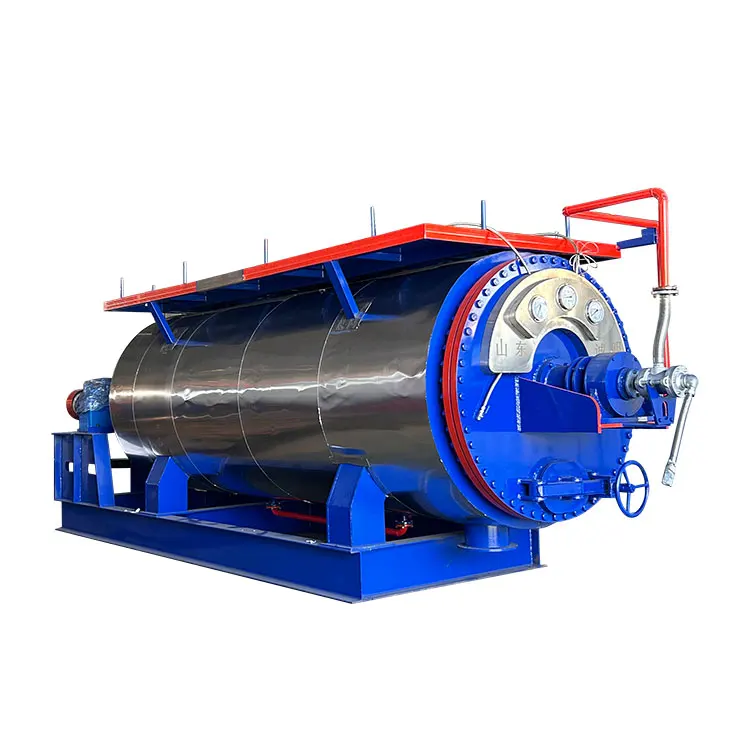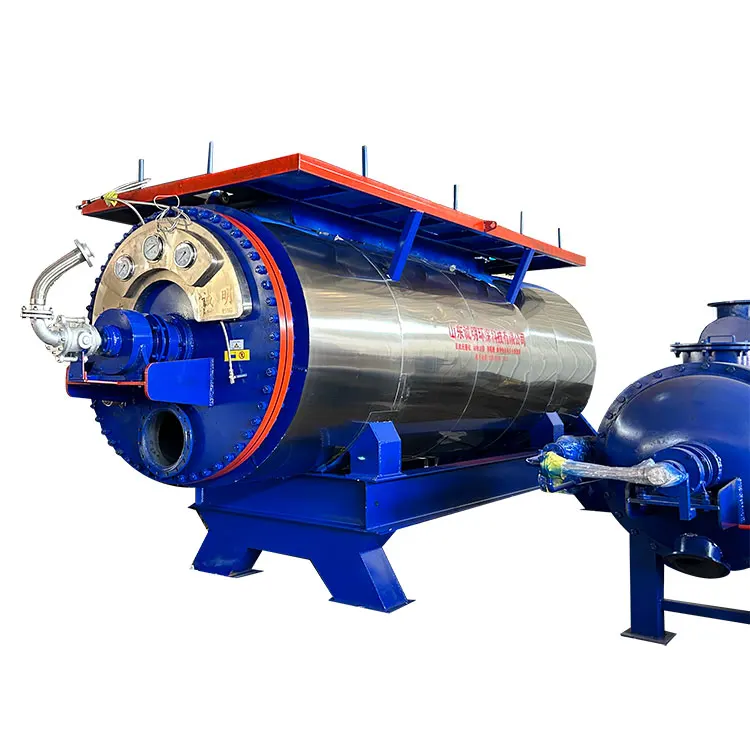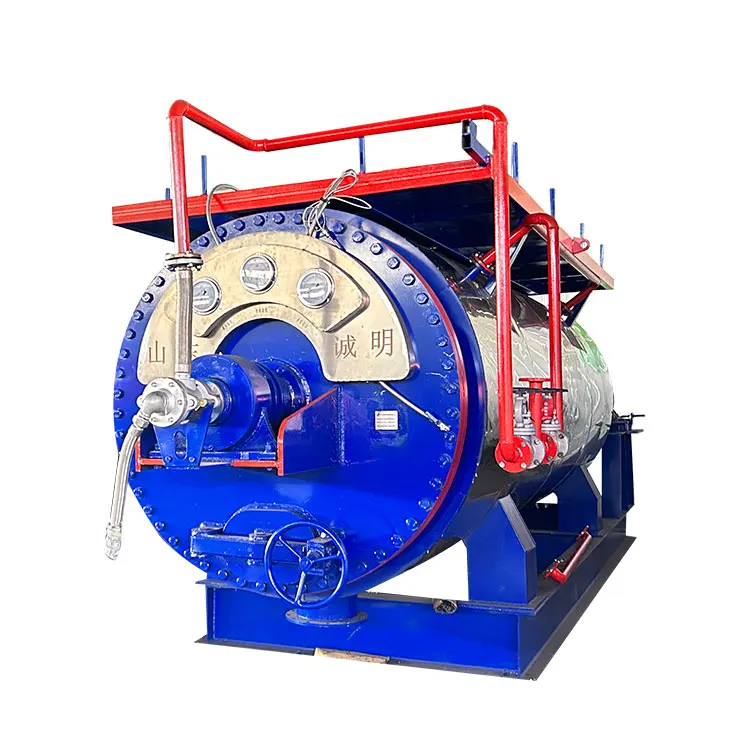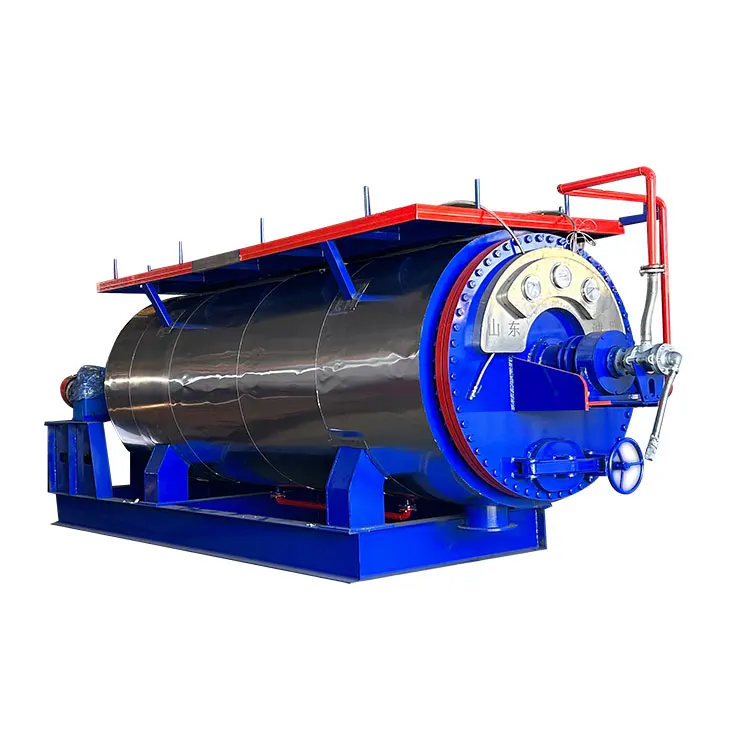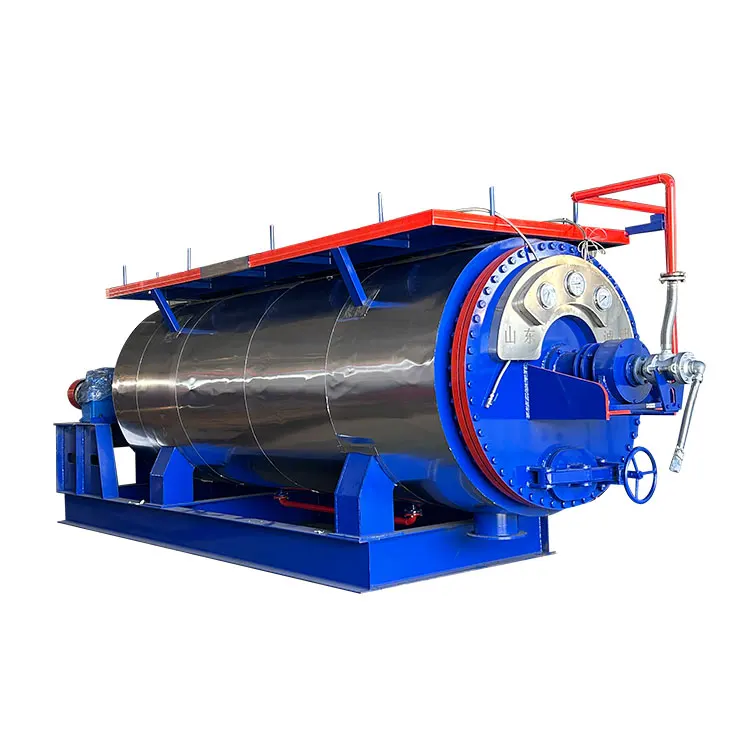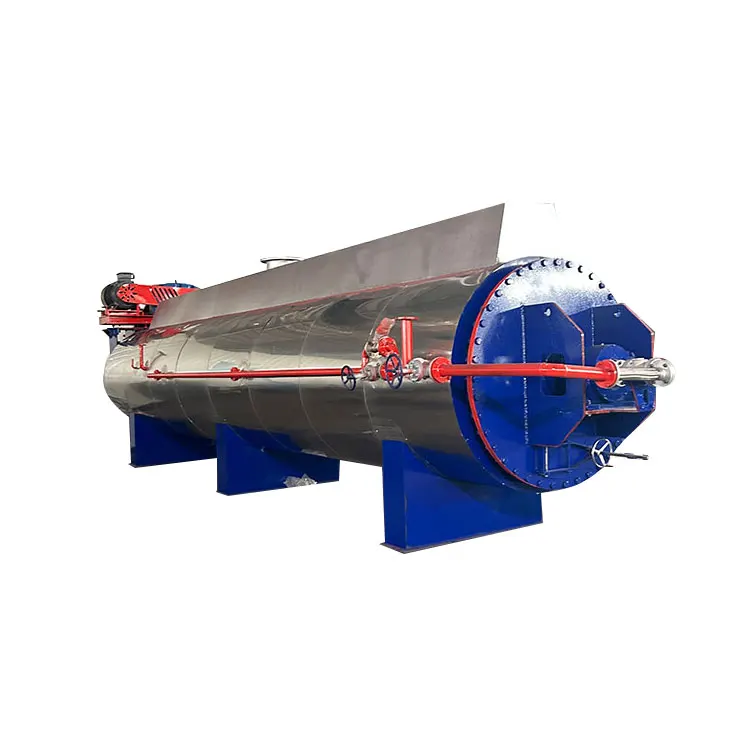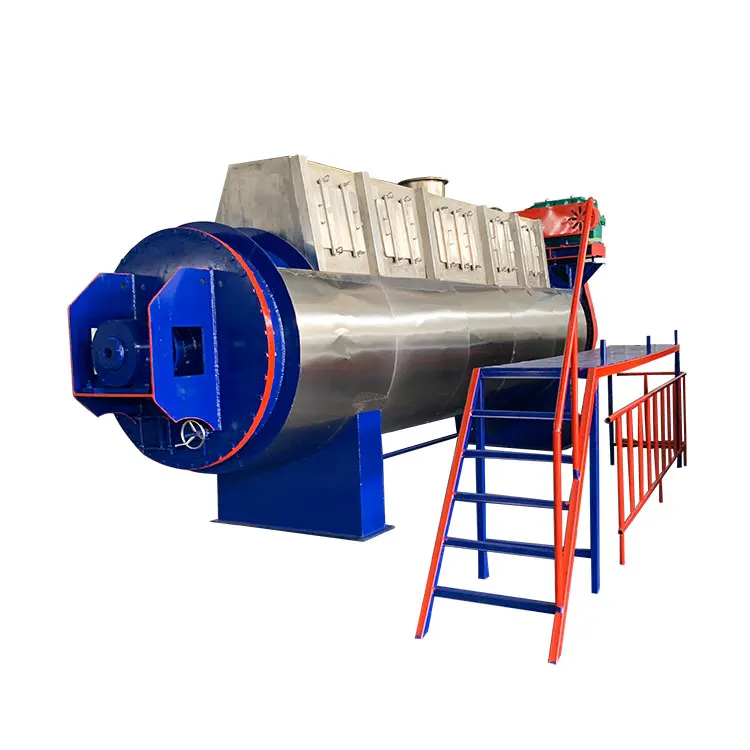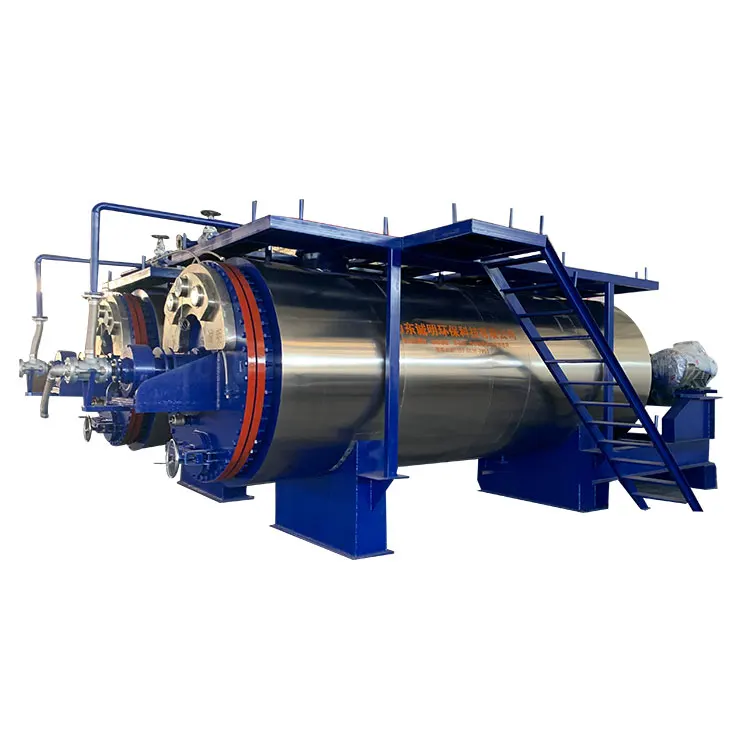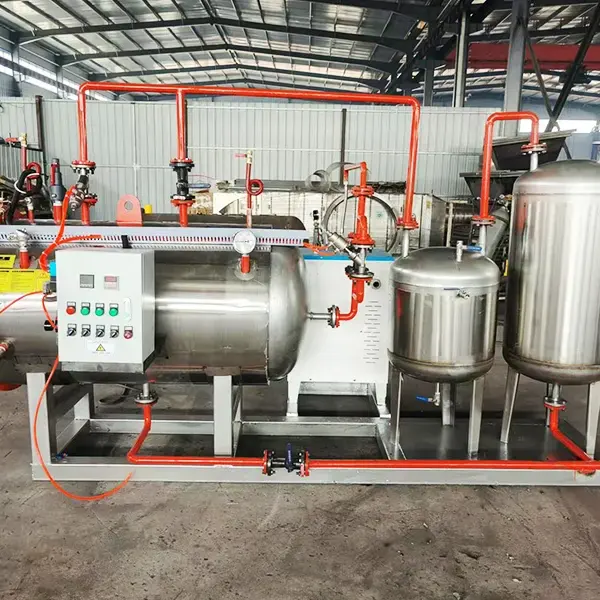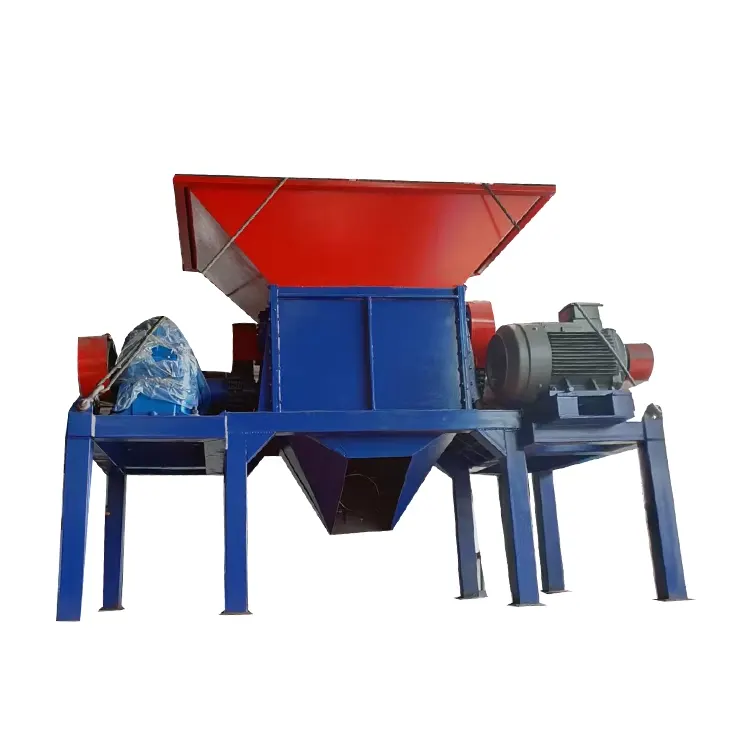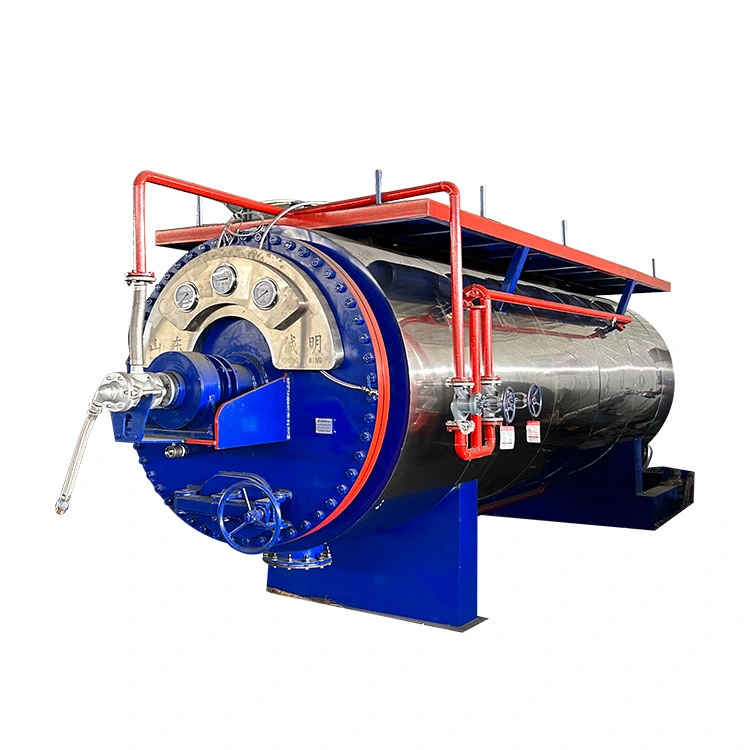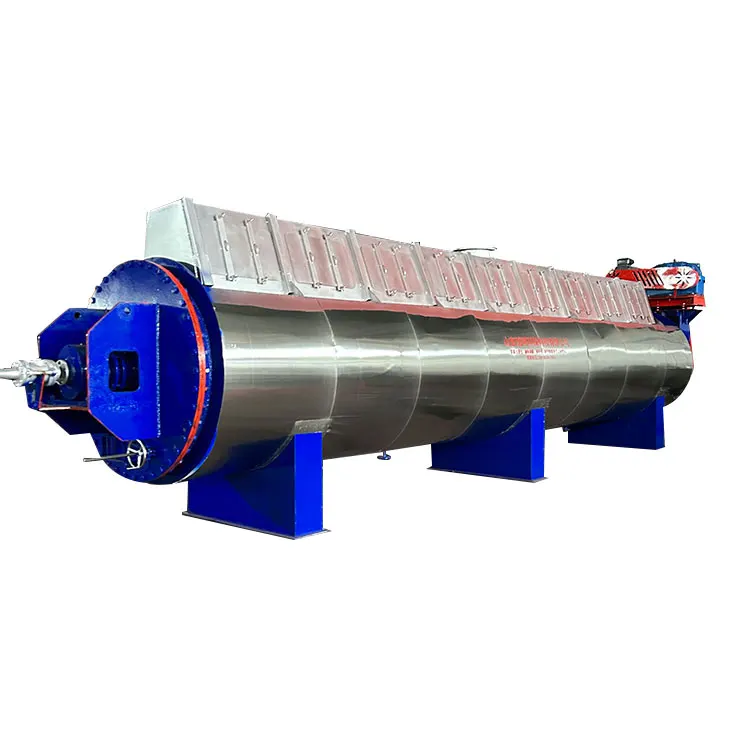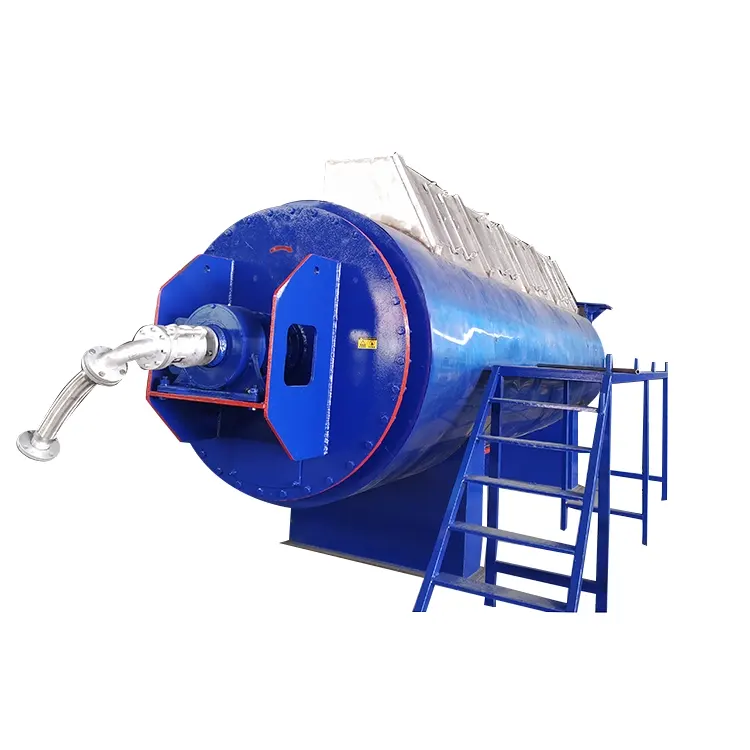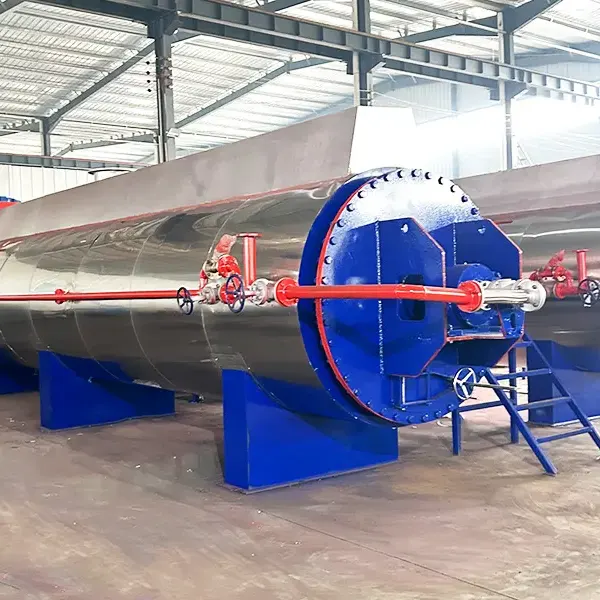
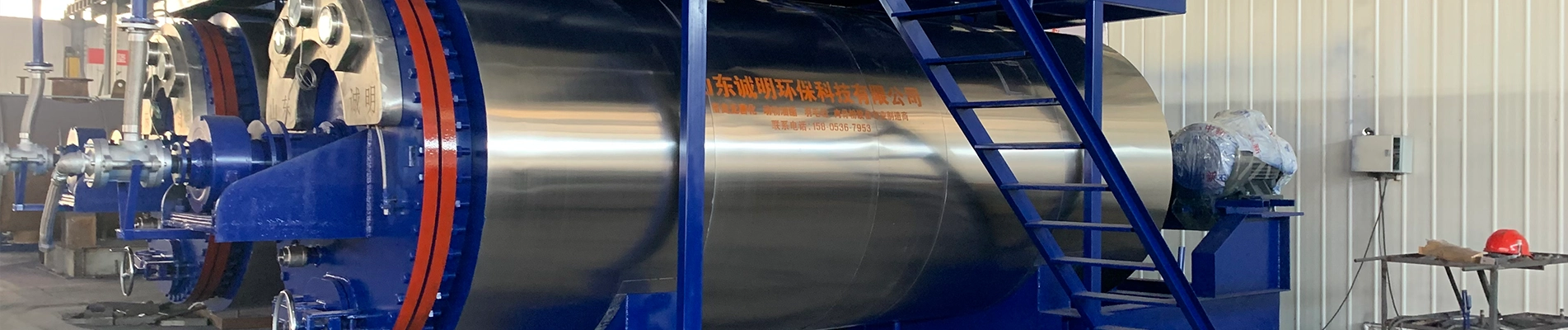
Livestock Poultry Rendering Machine specifically treats diseased and dead livestock and livestock waste generated in the livestock industry. Its most prominent advantages are zero pollution, safety, and high efficiency. This addresses the challenges of traditional livestock farming, such as the difficulty of waste disposal and the easy spread of diseases, transforming potential livestock farming risks into a driving force for industry development.
This type of equipment shortens treatment cycles and increases single-batch processing capacity, significantly improving the efficiency of livestock pollutant disposal. It can effectively eliminate the transmission pathways of pathogens carried by diseased and dead livestock at the source, mitigating the impact of disease spread on the livestock industry. Furthermore, the harmless treatment products can be extracted into feather meal, meat and bone meal, animal fat, and other products for use in protein feed, organic fertilizer, and industrial applications, creating highly value-added products.
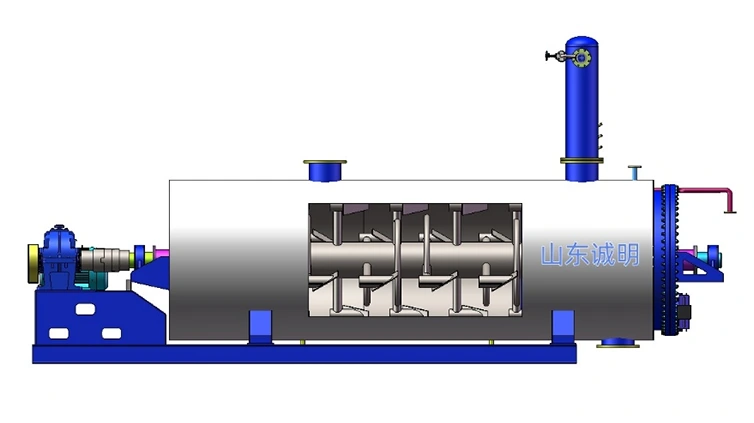
1. Efficient Emergency Response: The Livestock Poultry Rendering Machine offers a large single-process capacity with minimal downtime, enabling 24/7 continuous operation. It enables rapid control of livestock and poultry outbreaks and prevents the spread of pathogens.
2. High-Value Resource Utilization: Processing produces meat and bone meal, which can be used as organic fertilizer or feed, as well as animal fat, which can be used as an industrial oil feedstock. These high-value products can be used to offset operating costs.
3. Environmental Compliance: The equipment operates in a fully enclosed, odorless process, and provides targeted wastewater and exhaust gas treatment, complying with national and international environmental and epidemic prevention regulations and eliminating secondary pollution.
4. Intelligent and Low-Consumption: The PLC intelligent control system is easy to operate and can manage multiple machines by one person, saving labor and ensuring stable operation and traceable data.
|
Model |
Tank size (mm) |
Effective volume (m³) |
Processing capacity (T) |
|
CMJ-1 |
φ1300/1400×2000 |
3.3 |
1.0 |
|
CMJ-2 |
φ1400/1600×2162 |
3.7 |
2.0 |
|
CMJ-3 |
φ1400/1600×3062 |
5.2 |
3.0 |
|
CMJ-4 |
φ1400/1600×4036 |
6.56 |
5.0 |
|
CMJ-5 |
φ1600/1800×4500 |
9.6 |
8.0 |
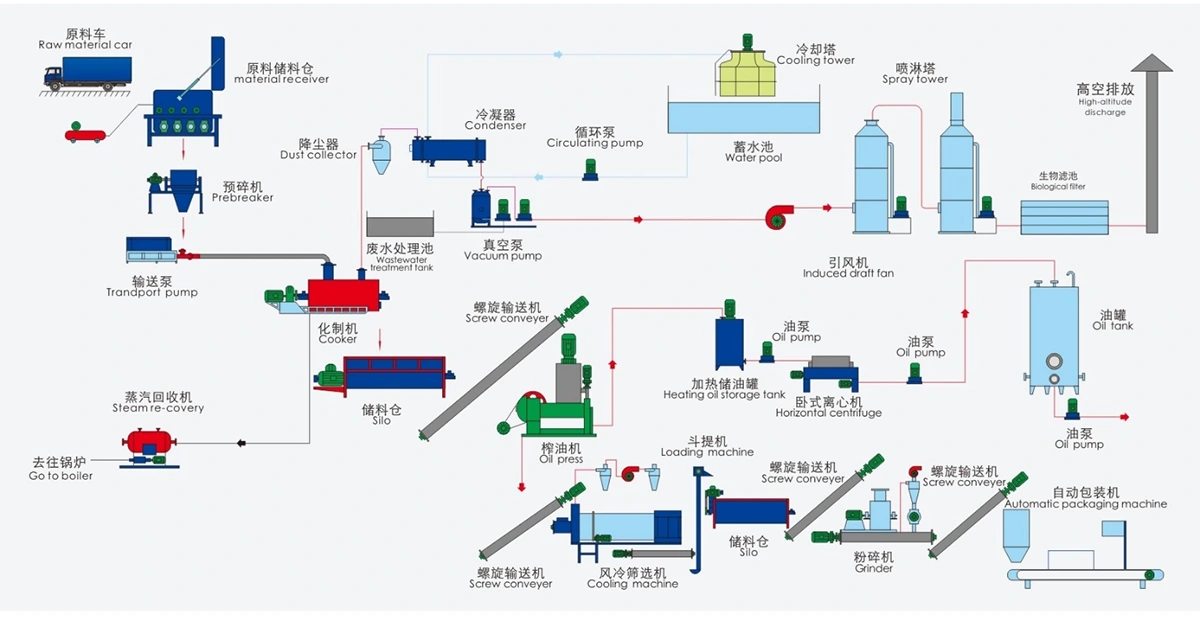
After the animal carcasses are crushed, they are sealed and transported to a chemical processing tank. They are then sterilized at high temperature and high pressure. Pressure is released and exhaust gas is treated. The carcasses are then dried and stored. The carcasses are then pressed and degreased. Dust is removed and exhaust gas is treated. The carcasses are then crushed and stored and packaged.
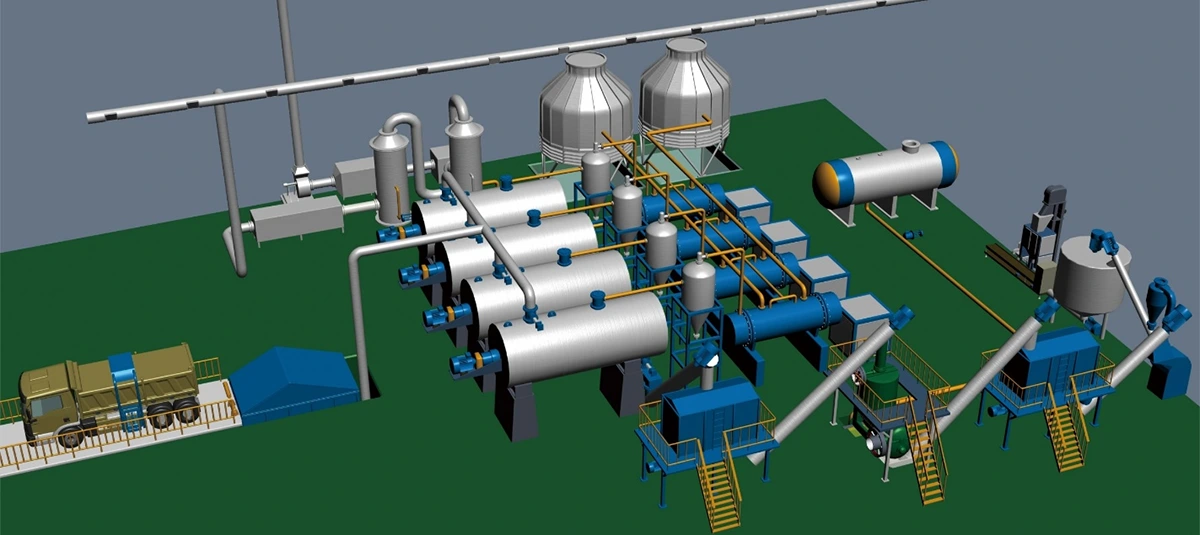
1. Transportation: Large equipment can be shipped by sea or land.
2. Installation:
● Optional on-site guidance: A professional team will visit you to perform installation, commissioning, and startup. The customer will be responsible for travel and labor.
● Free remote support: Video guidance on installation, operational training, and real-time troubleshooting are provided to facilitate rapid deployment.
1. Duration: The equipment is covered by a one-year warranty.
2. Exclusions:
● Damage caused by improper operation, unauthorized modification, or intentional misuse.
● Failures caused by force majeure (such as earthquakes and floods) or non-standard operating conditions (such as overloading).