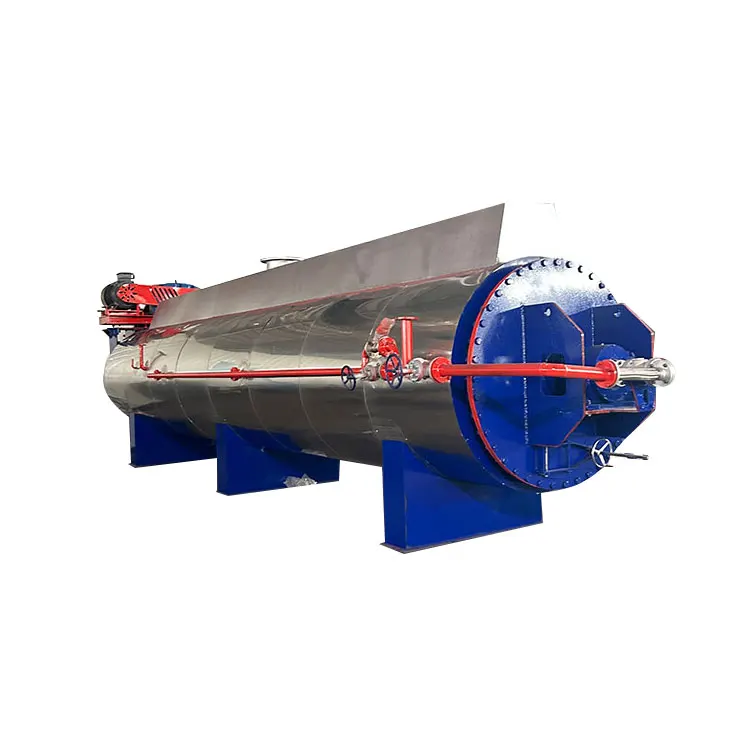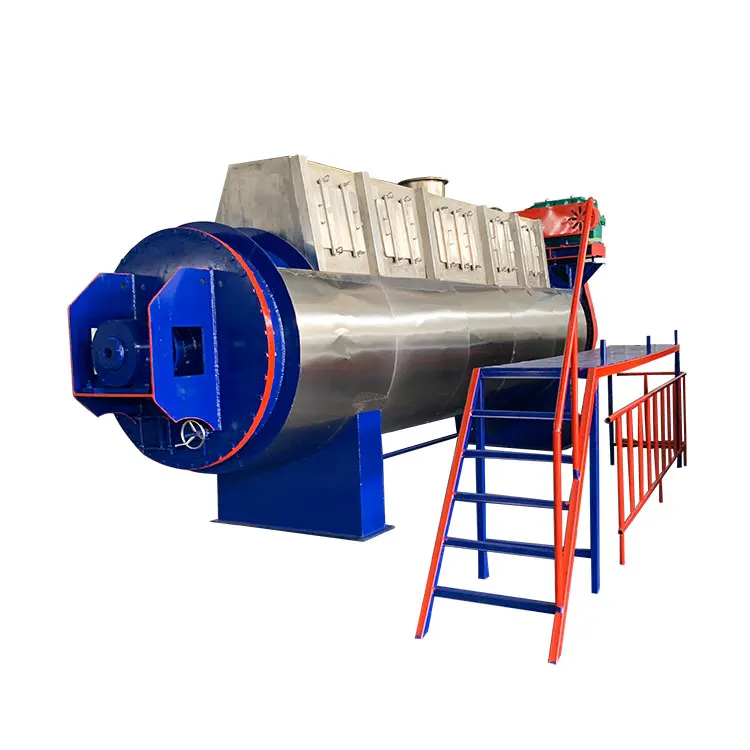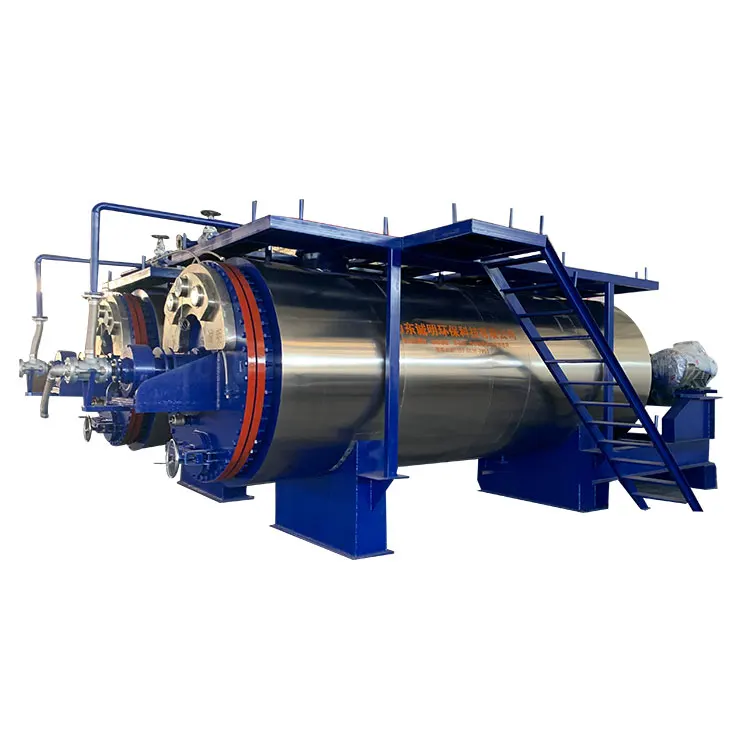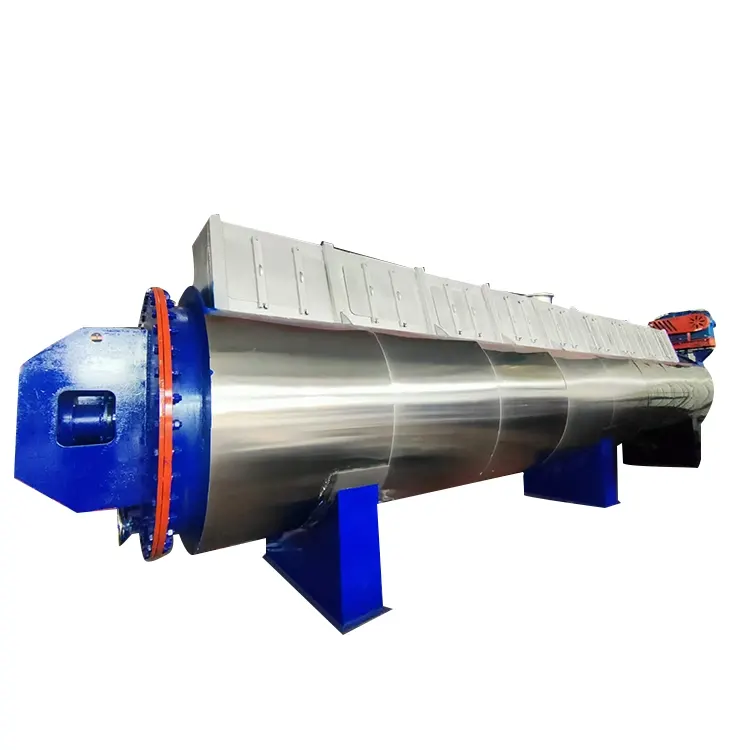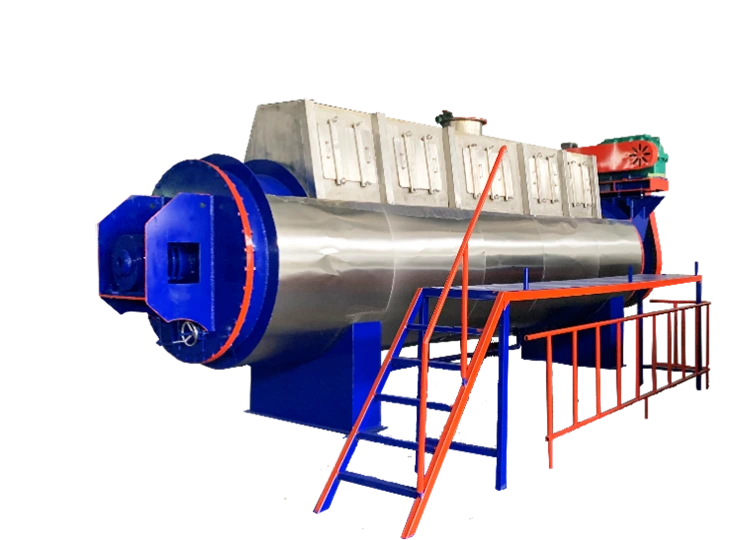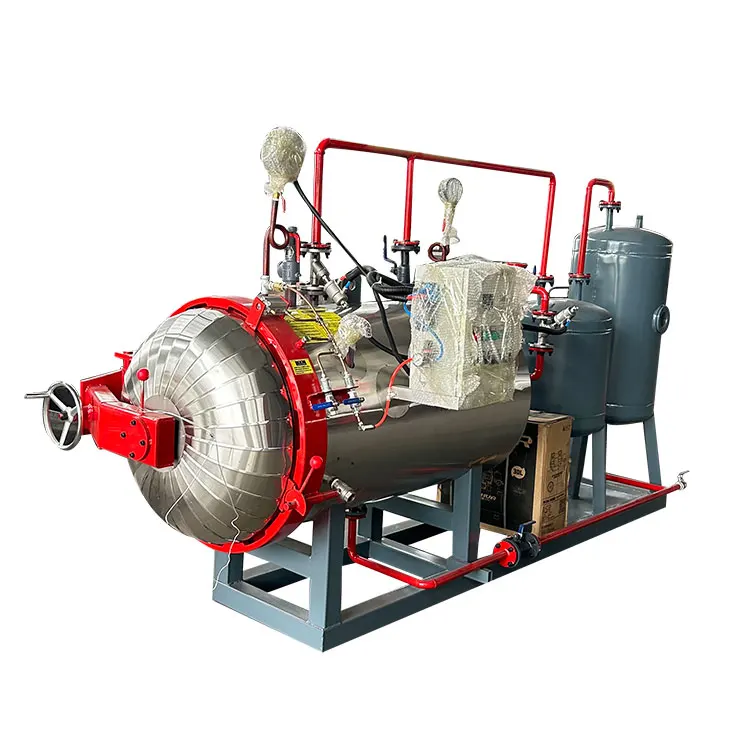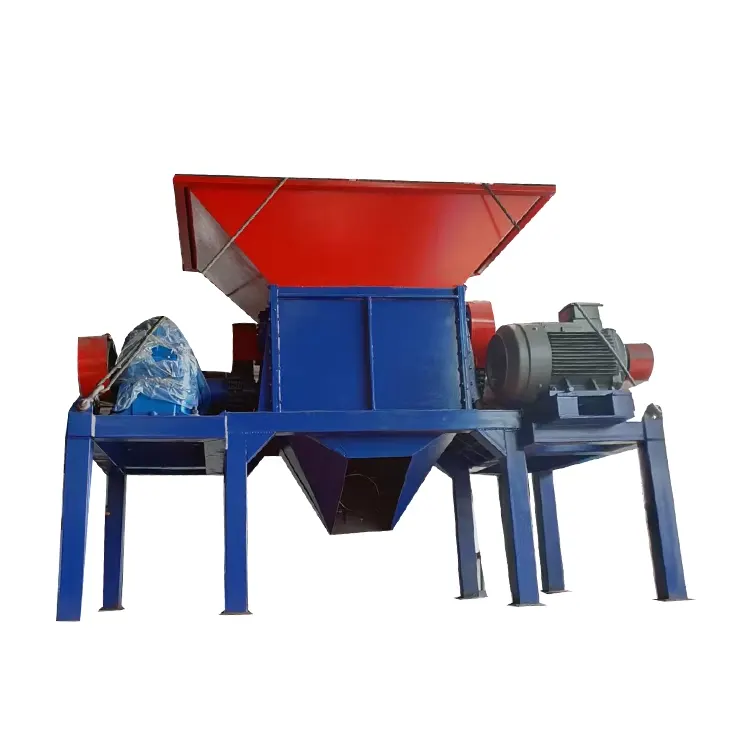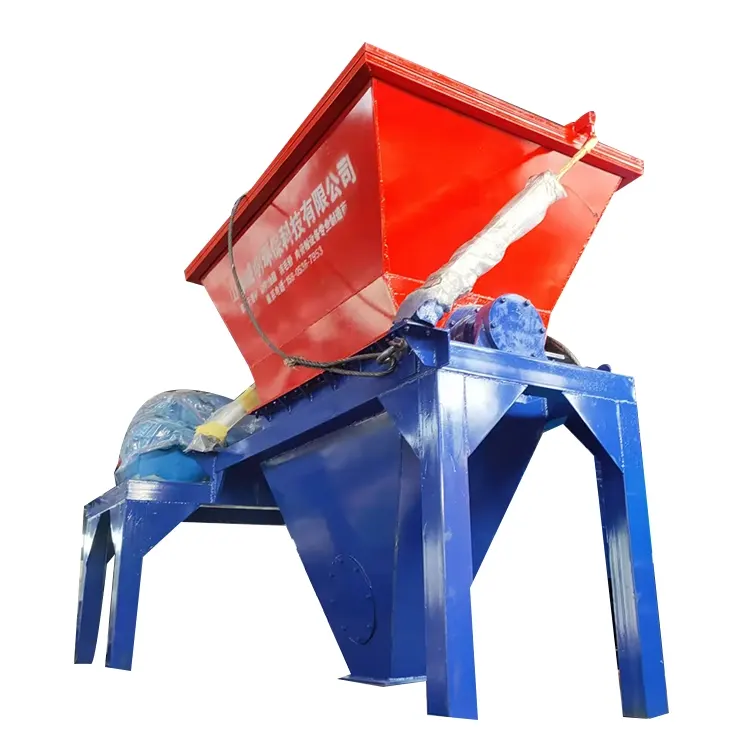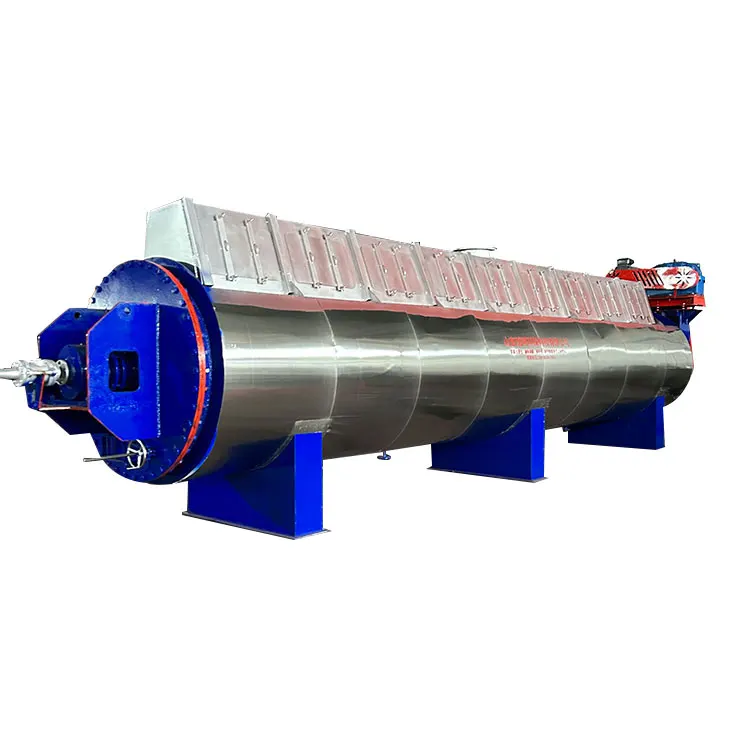
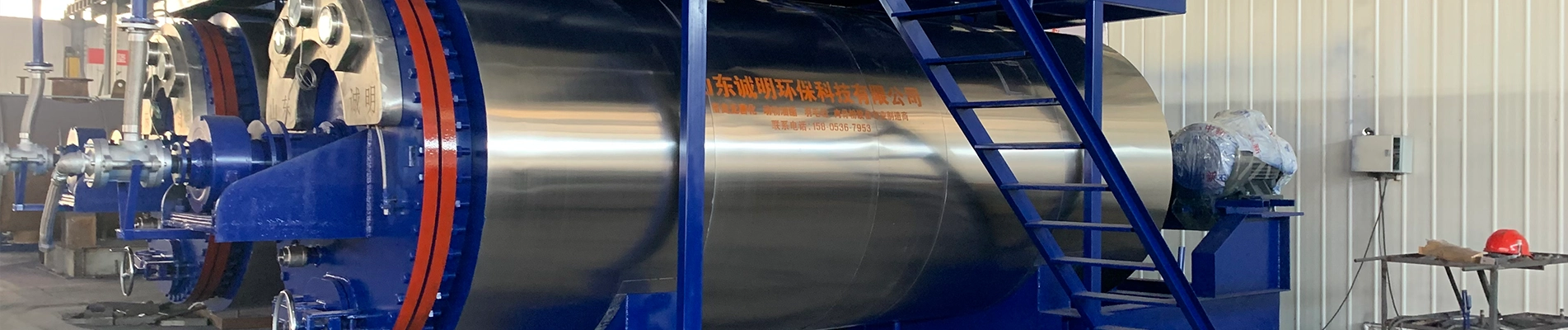
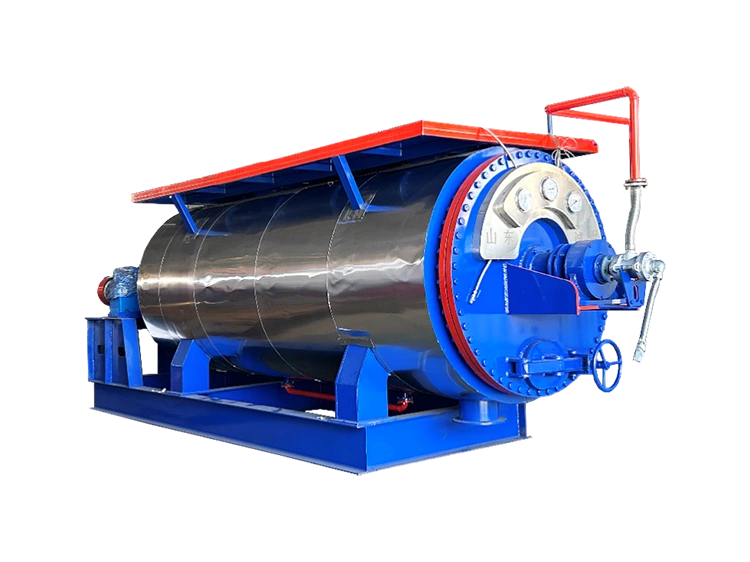
Feather powder processing equipment is centered around a hydrolysis tank, supplemented by a feather-water separator, conveyor, dryer, drum air cooler, and pulverizer. Using an automated control system, feeding device, exhaust and pressure relief components, and subsequent drying and pulverization auxiliary equipment, it forms a complete production line from raw feather processing to finished feather powder production. Among these components, the automated control system is very important, as it will monitor and adjust key parameters in the production process in real time to achieve stable operation.
1. Raw Material Loading: Chicken feathers, or other types of feathers such as duck feathers, are placed in the hydrolysis tank, sealed, and heated.
2. High-Temperature, High-Pressure Hydrolysis: Heating to 140°C and a pressure of 0.3-0.45 MPa is maintained for 15 minutes. This step will do two things, which are sterilizing the feathers and breaking down the keratin molecular structure.
3. Subsequent Powdering: Steam is discharged from the tank, and the hydrolyzed feathers are sent to a drying equipment for dehydration. The feathers are then pulverized to produce qualified feather powder.
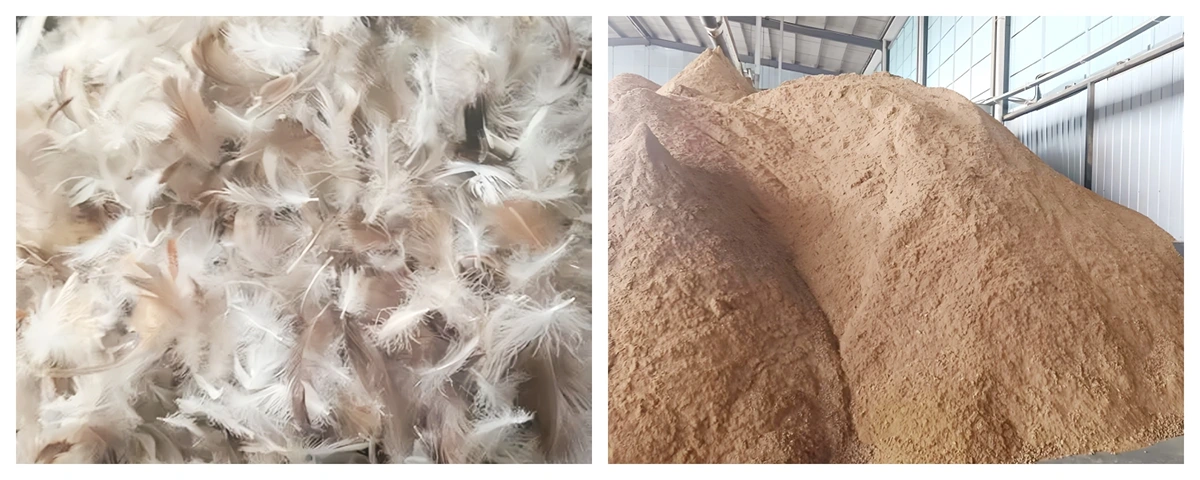
This equipment can transform discarded feathers into high-value-added products, reducing solid waste and the possibility of making more pollution, complying with the concept of a circular economy, and creating additional economic benefits for both your factories and the whole society.
Feather meal, rich in small peptide chains and free amino acids after hydrolysis (with a protein content exceeding 80% and a digestibility increase of over 30%), is a high-quality protein supplement. Various animal feeds can use it during the production.
1. Livestock and Poultry Feed: It can be added to compound feeds for pigs, chickens, ducks, and other livestock and poultry, replacing some protein ingredients. This reduces feed costs while providing the protein needed for livestock and poultry growth, improving meat quality and boosting production performance.
2. Aquaculture Feed: It is suitable for aquatic species such as fish, shrimp, and crab. Its highly digestible protein reduces intestinal burden, improves feed utilization, supports growth and development, enhances stress resistance, and reduces disease.
3. Specialty Farming Feed: It is also used in feeds for specialized economic animals such as foxes, minks, and raccoon dogs, supplementing the sulfur-containing amino acids necessary for hair growth, improving fur gloss and quality, and increasing the economic value of farmed products.
|
Model |
CMJ-1 |
CMJ-2 |
CMJ-3 |
CMJ-4 |
|
Tank Dimensions (mm) |
φ1300/1400×2000 |
φ1400/1600×2162 |
φ1400/1600×3062 |
φ1400/1600×4036 |
|
Effective Volume (m³) |
3.3 |
3.7 |
5.2 |
6.56 |
|
Operating Temperature (°C) |
150-180 |
150-180 |
150-180 |
150-180 |
|
Power (kW) |
22 |
37 |
37 |
37 |
|
Processing Capacity (T) |
1 |
2 |
3 |
4 |