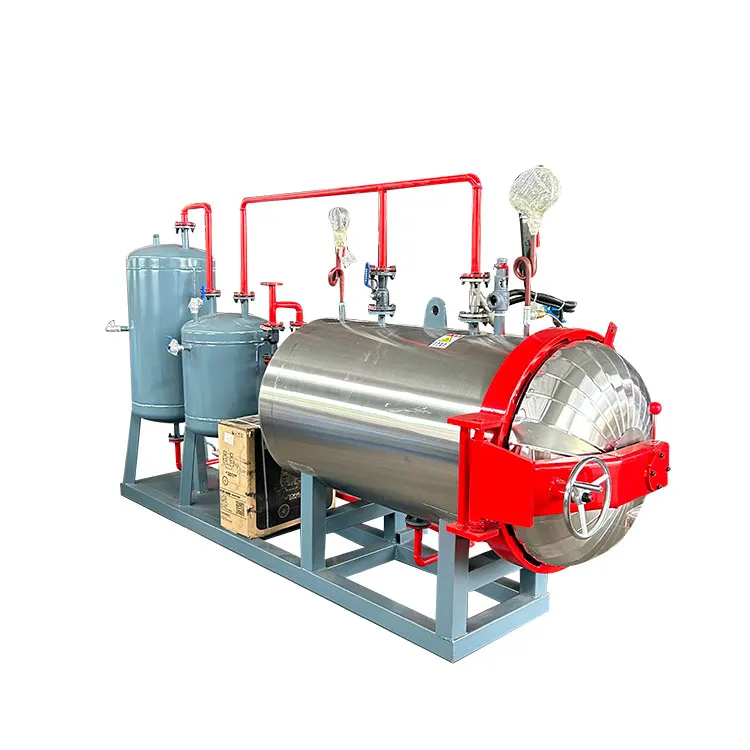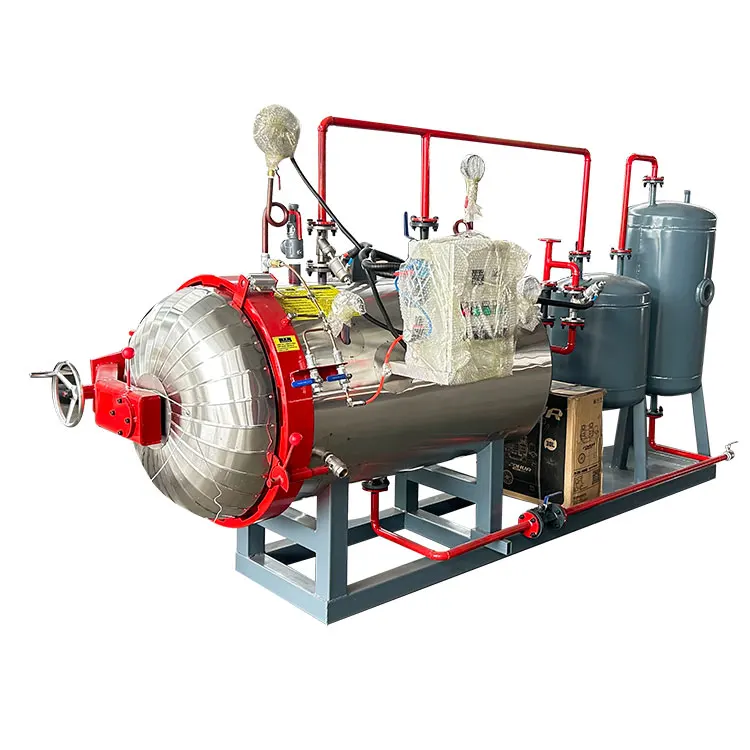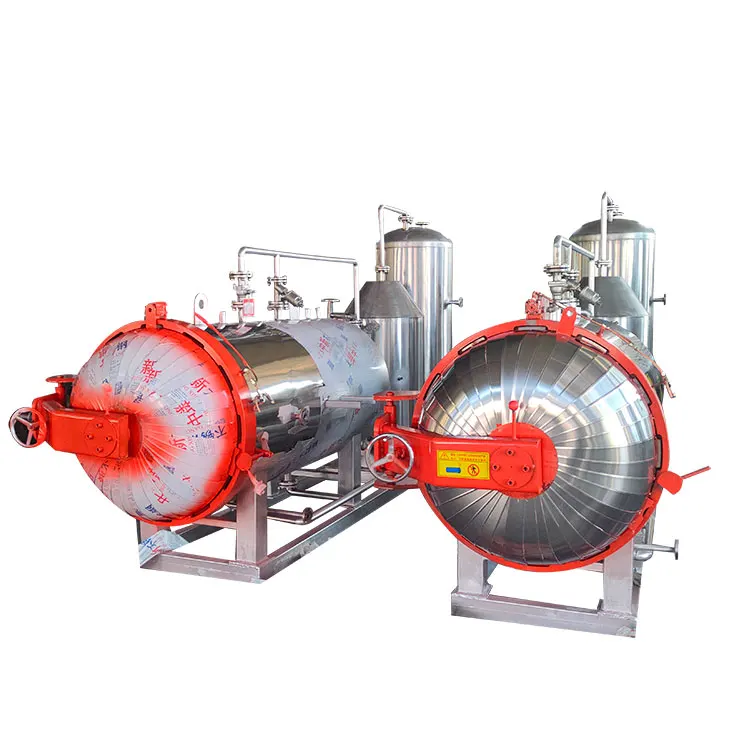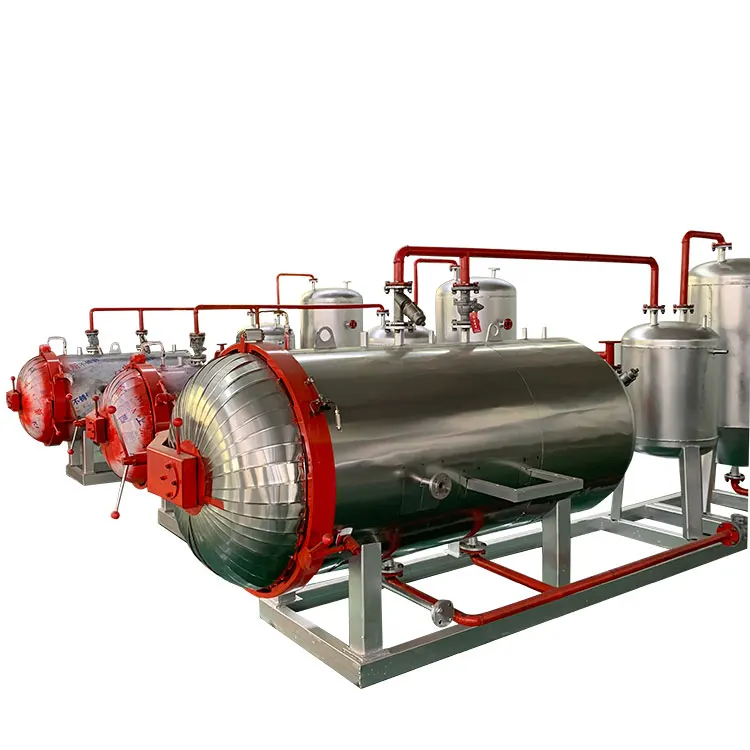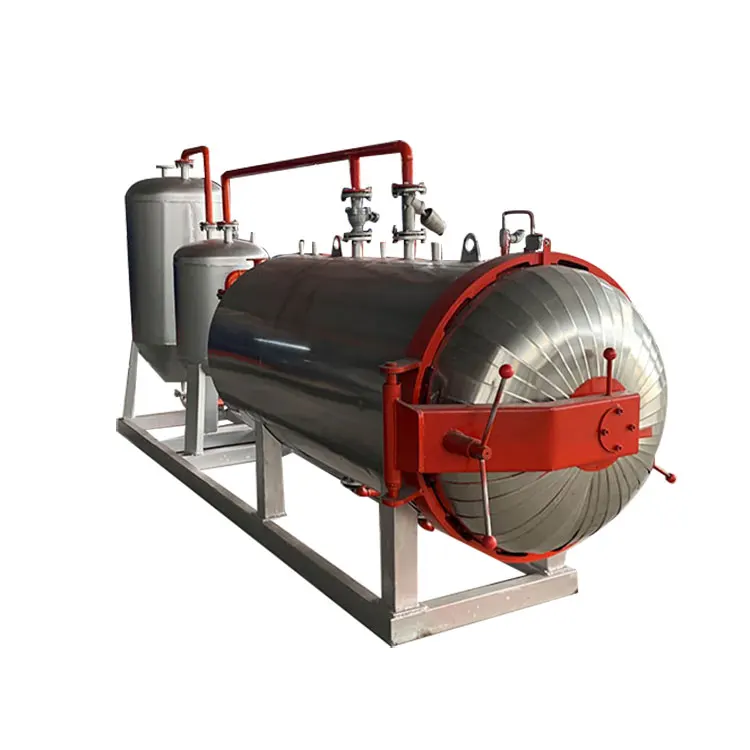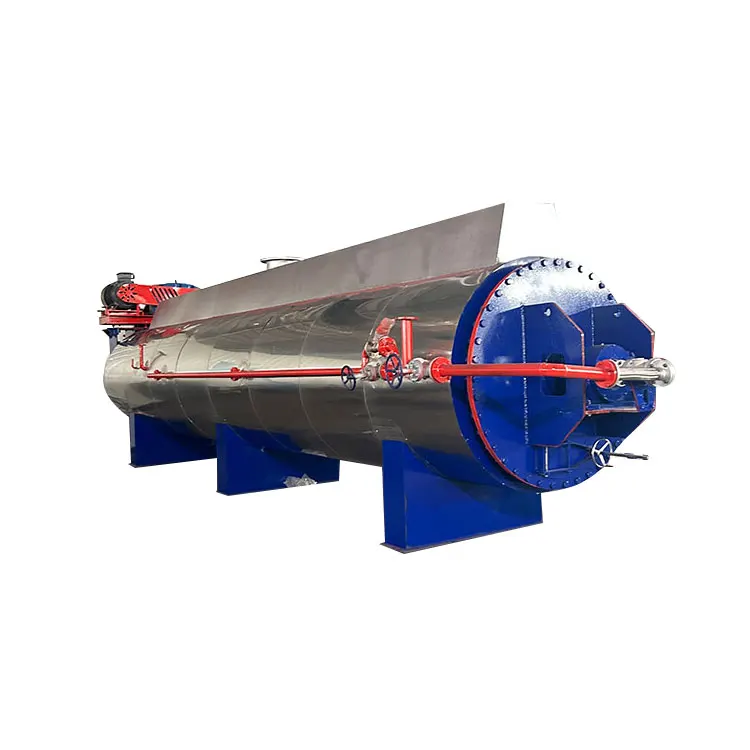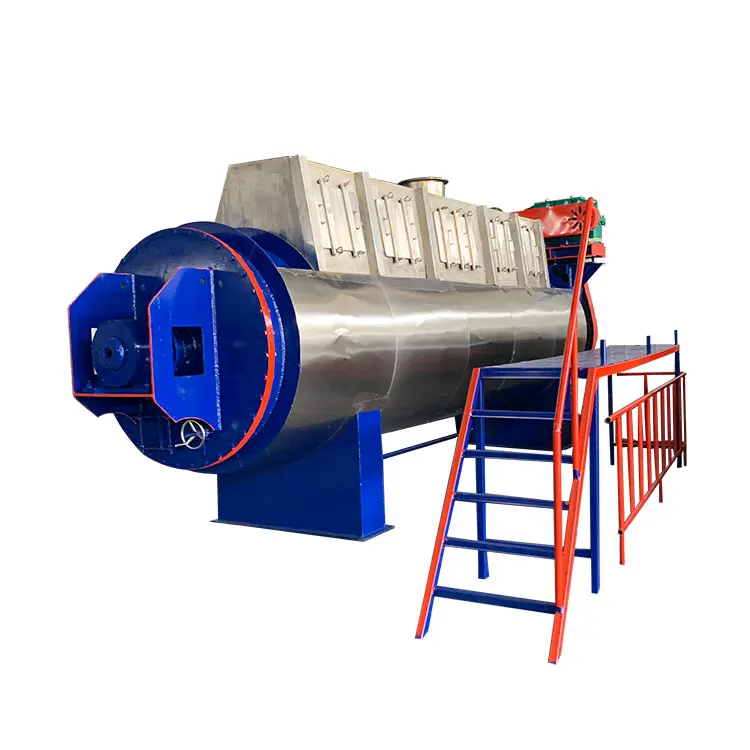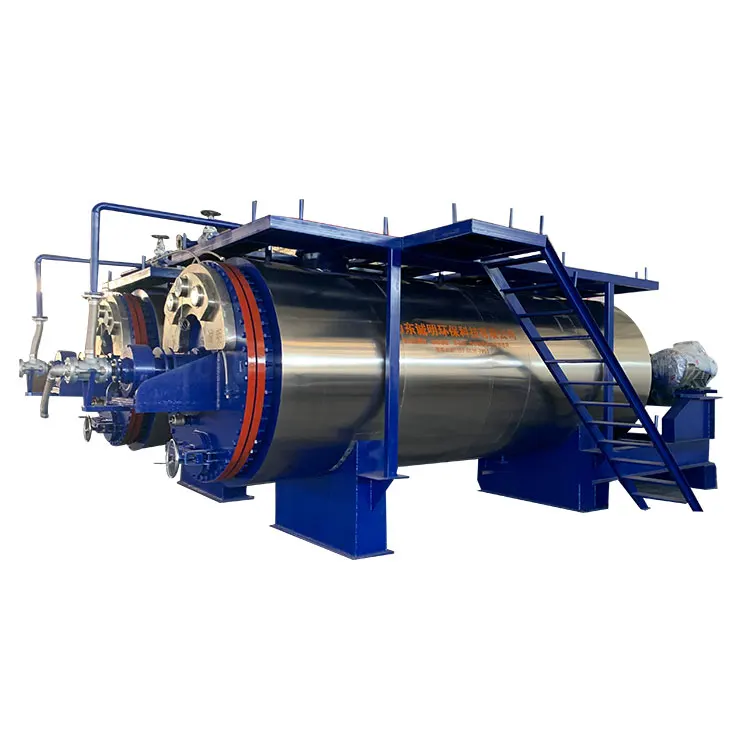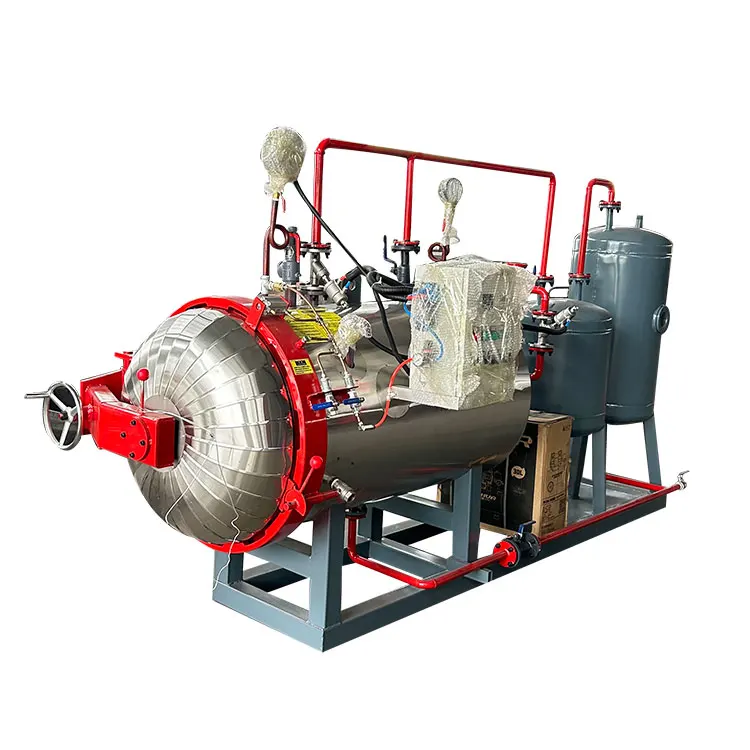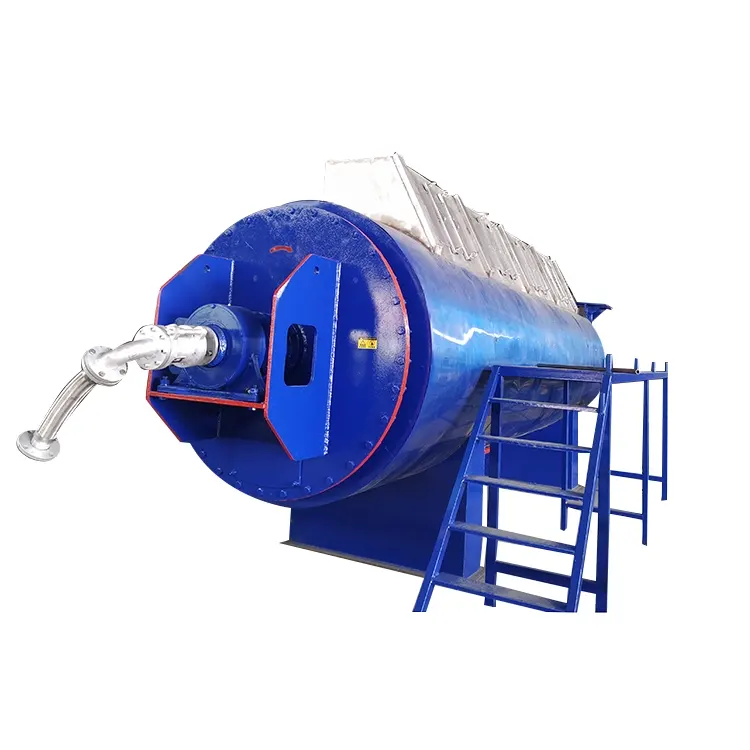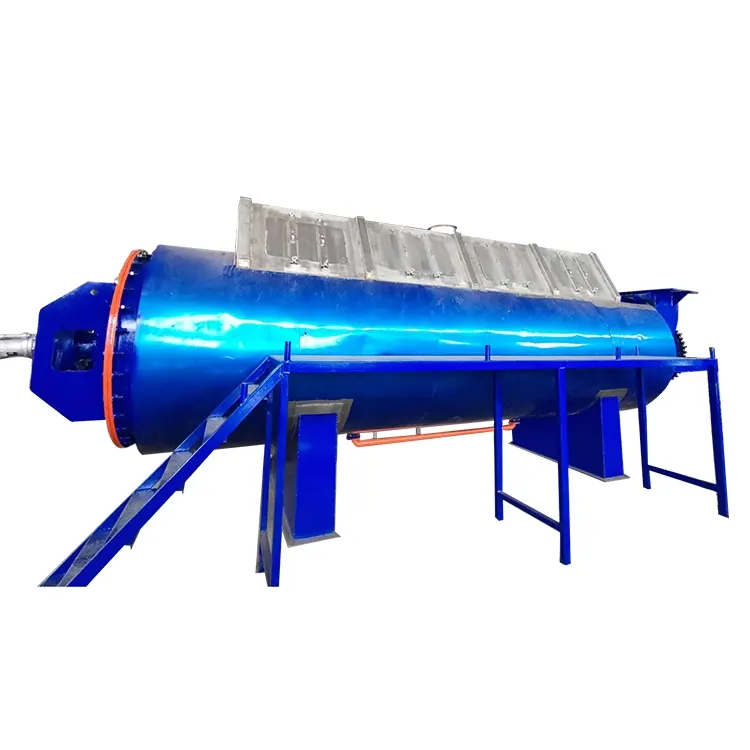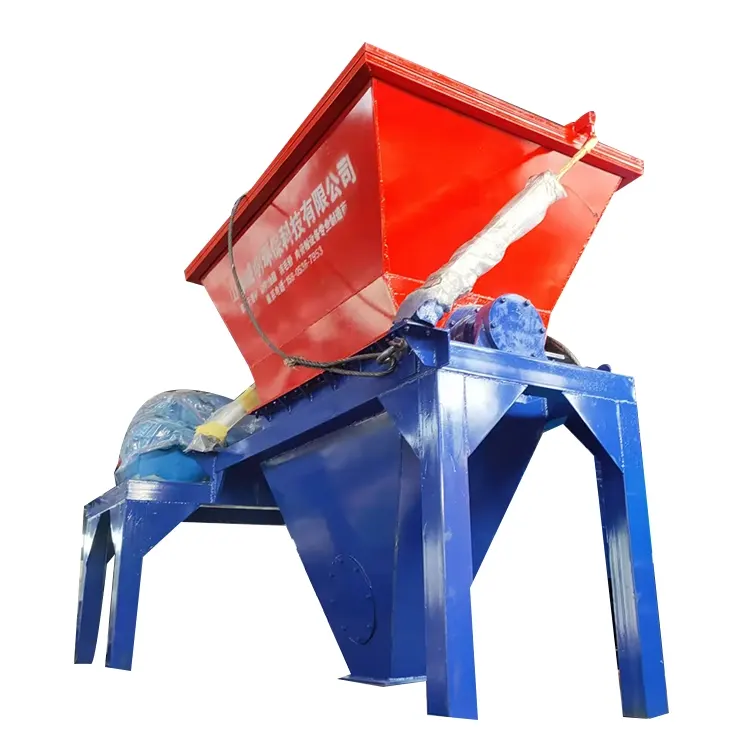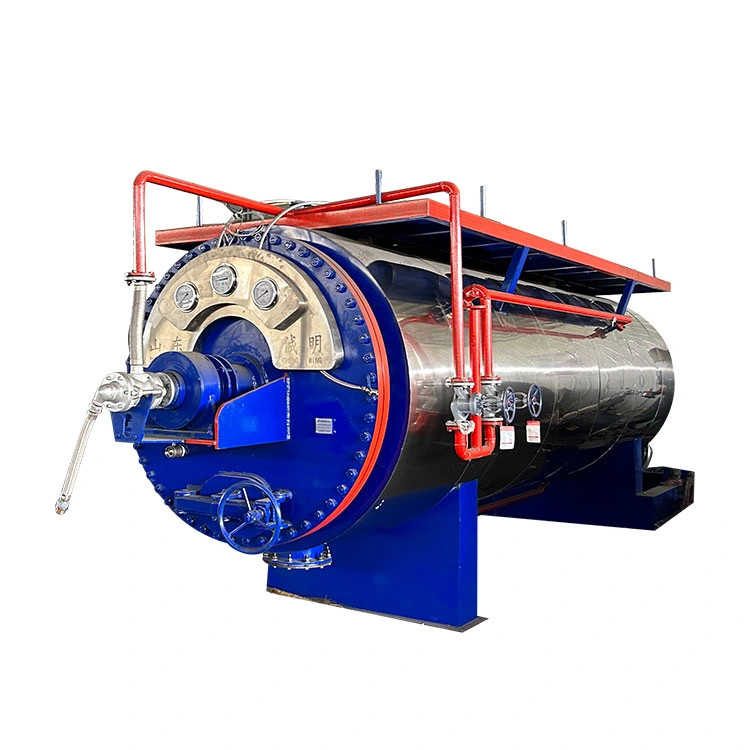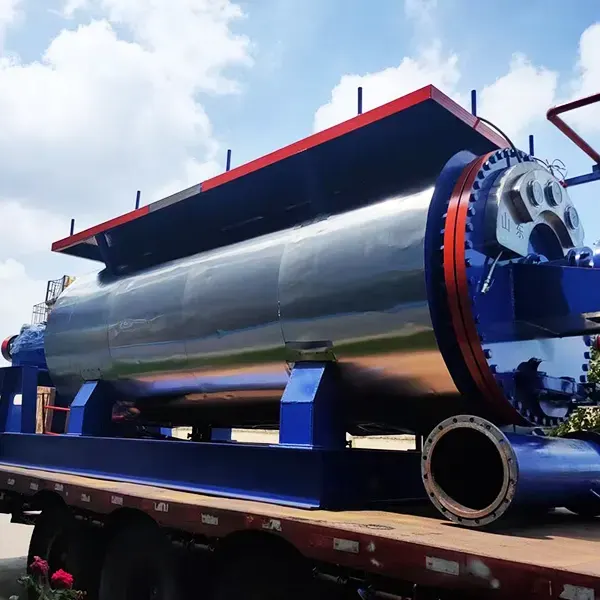
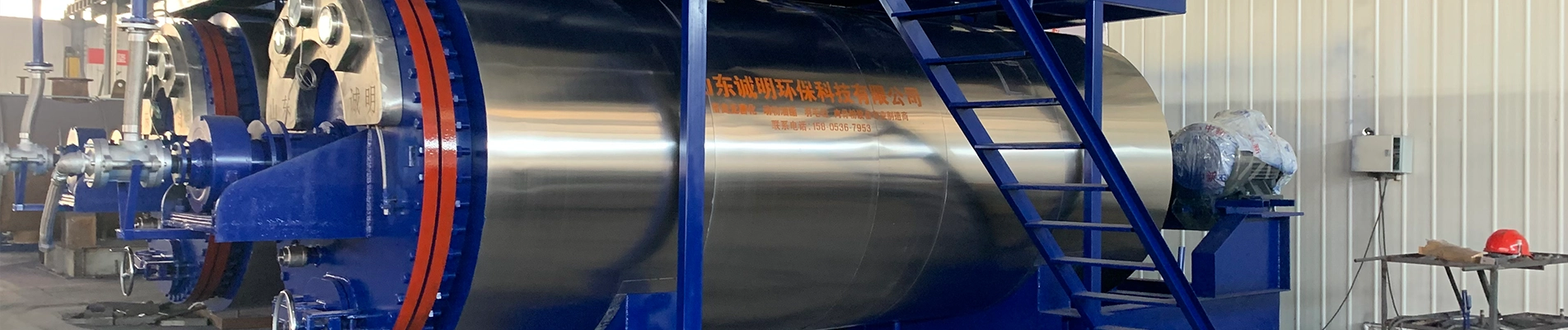
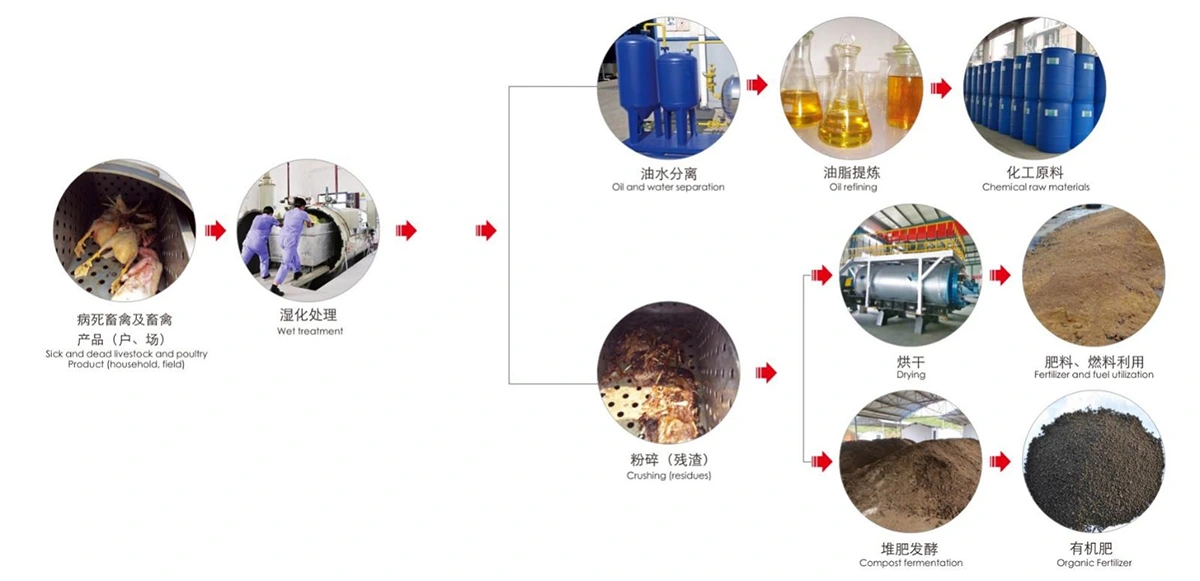
A wet rendering machine is a small-scale device for harmlessly treating diseased livestock and poultry. It works by bringing high-pressure saturated steam into direct contact with animal carcasses. The steam, when cooled, condenses into water, releasing a significant amount of heat energy. This process melts fat and solidifies proteins, while simultaneously eliminating pathogens through the high-temperature, high-pressure environment, effectively preventing the spread of disease.
After being treated by the wet rendering machine, the fat from the animal carcasses can be converted into industrial oil. The resulting solid residue can also be properly disposed of through standardized subsequent processes. Ultimately, this achieves the triple goals of harmless treatment, resource utilization, and reduction of diseased livestock and poultry waste, balancing environmental protection requirements with resource recovery value.
Wet rendering machines are suitable for small farms, slaughterhouses, individual farmers, and for handling carcasses of diseased pigs, chickens, ducks, geese, and other animals. They can also be used to process frozen meat at customs to avoid safety hazards.
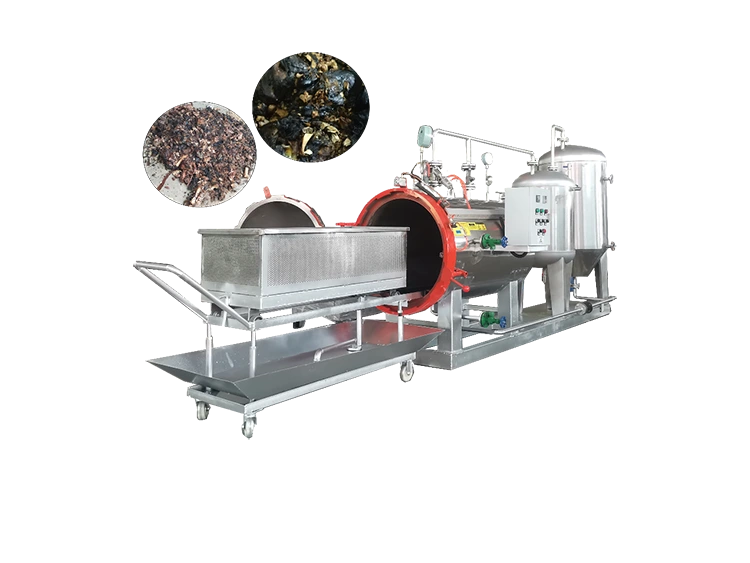
The wet rendering machine primarily consists of a deodorizer, oil residue, oil-water separator, steam generator, trolley, connecting pipes, power distribution cabinet, and accessories.
The deodorizer cools, filters, and removes odors from the gases generated during operation.
The oil-water separator separates the oil-water mixture, removing wastewater and grease.
The oil-residue separator is resistant to high temperatures and high pressures and can separate the oil residue.
The trolley used to transport the oil-residue separator is durable and comes with an oil collection plate.
Connecting pipes connect the various working components.
The power distribution cabinet controls steam, temperature, and pressure during the processing process, eliminating manual errors and enabling semi-automatic control.
The steam generator, equipped with 18-24 kW fully automatic, inspection-free technology, generates steam through electrical heating to operate the machine.
Wet rendering machines of different specifications (such as for small laboratories and medium-sized farms) have different processing capacities, and it is necessary to select the appropriate equipment based on the actual processing volume and material type.
|
Model |
CMJ-0350 |
CMJ-0712 |
CMJ-0918 |
CMJ-1022 |
CMJ-1230 |
CMJ-1550 |
|
Tank Dimensions (mm) |
φ325/500 |
φ700/1200 |
φ900/1800 |
φ1000/2200 |
φ1200/3000 |
φ1500/4000 |
|
Effective Volume (m³) |
0.04 |
0.57 |
1.37 |
2.02 |
3.9 |
11.83 |
|
Design Pressure (MPa) |
0.85 |
0.85 |
0.85 |
0.85 |
0.85 |
0.85 |
|
Design Temperature (°C) |
180 |
180 |
180 |
180 |
180 |
180 |
|
Processing Capacity (KG) |
5 |
100 |
300 |
500 |
1000 |
2000 |
This type of machine is easy to operate and utilizes an automated control system, reducing labor costs. It also occupies a small footprint, requiring minimal installation space. Furthermore, its structure is easy to maintain and service, increasing its reliability and service life.