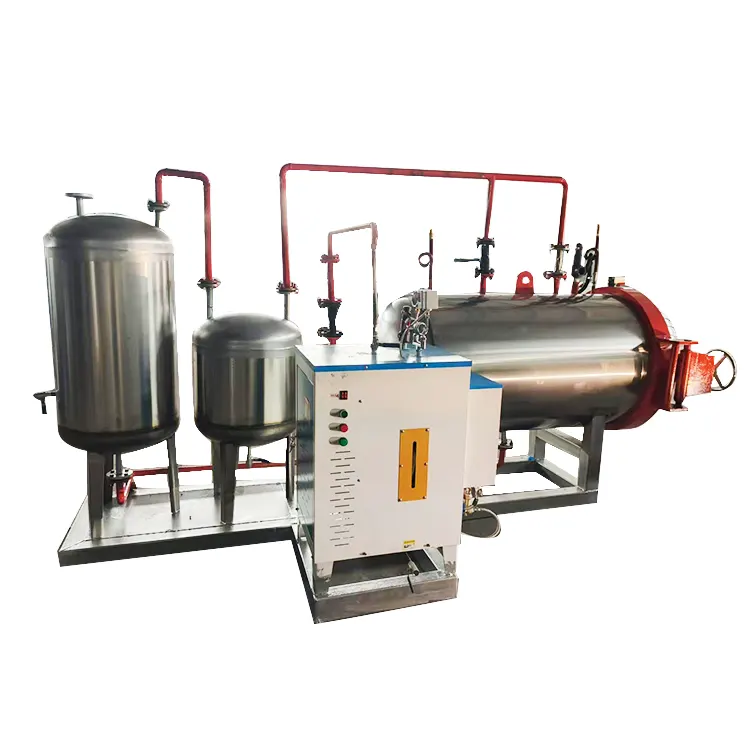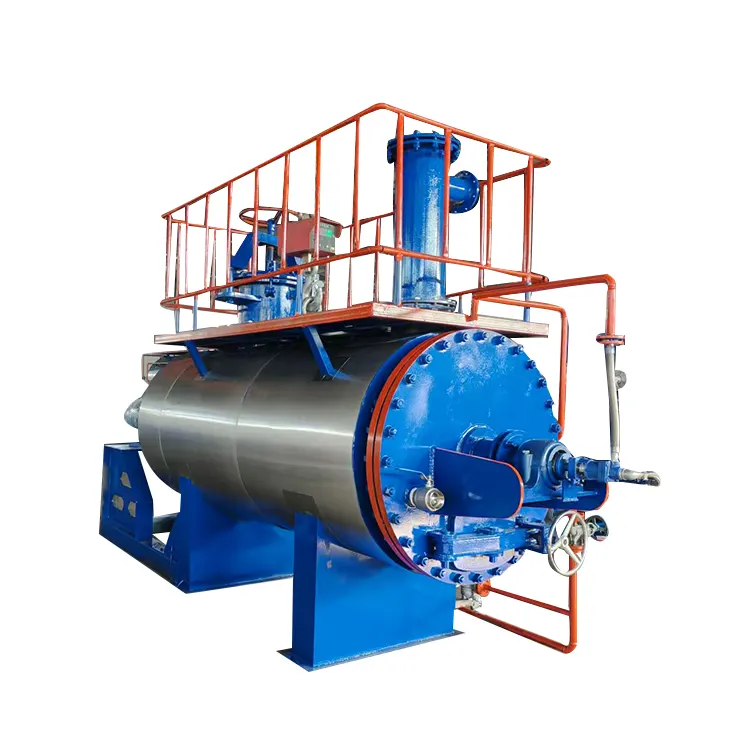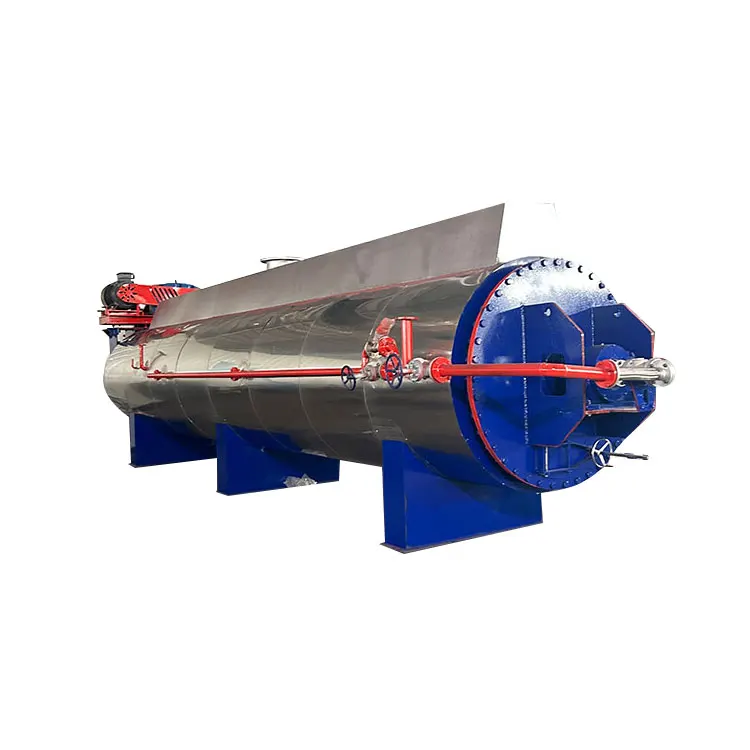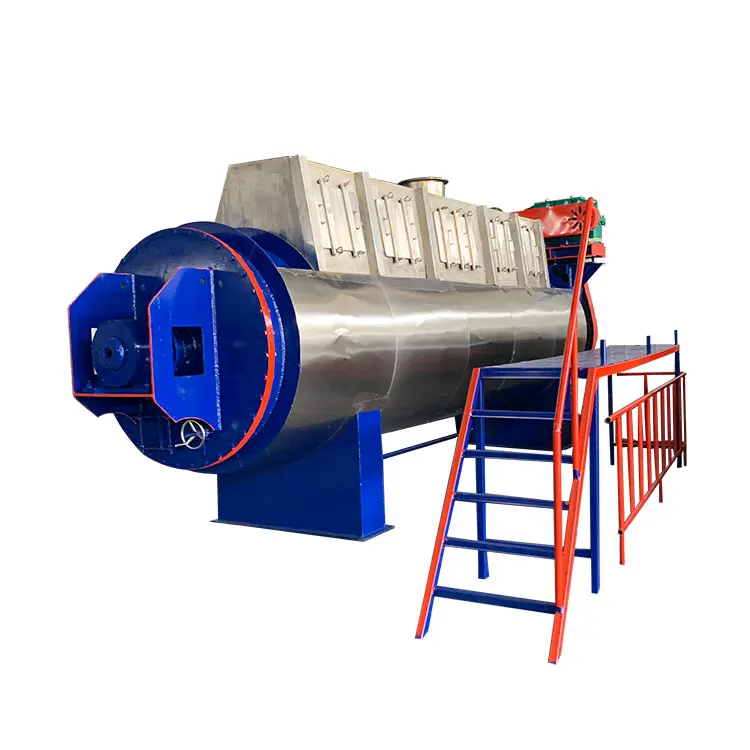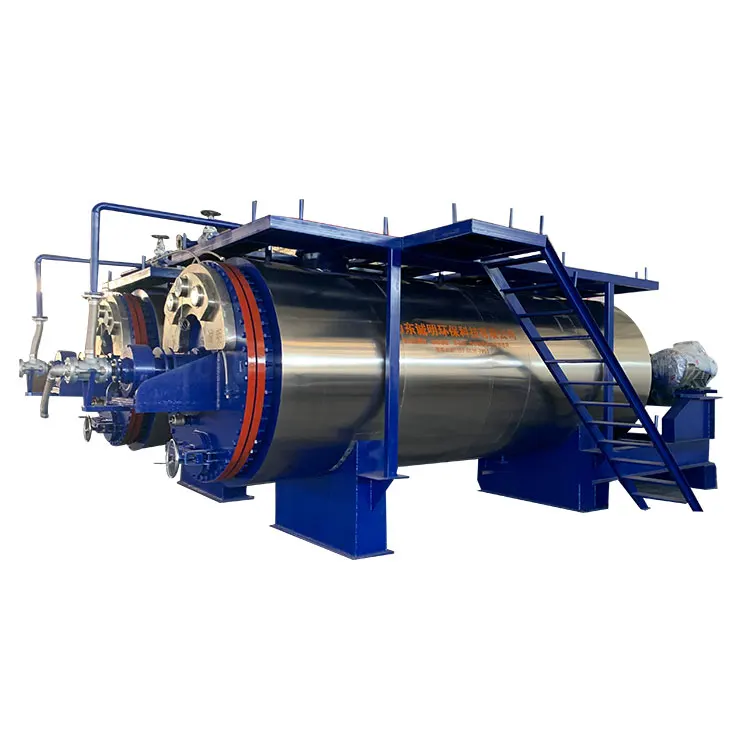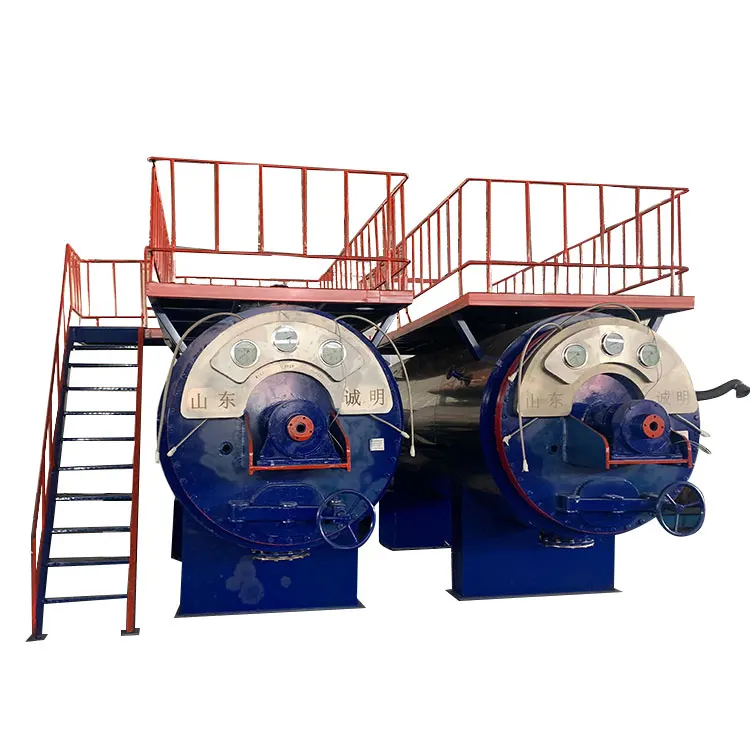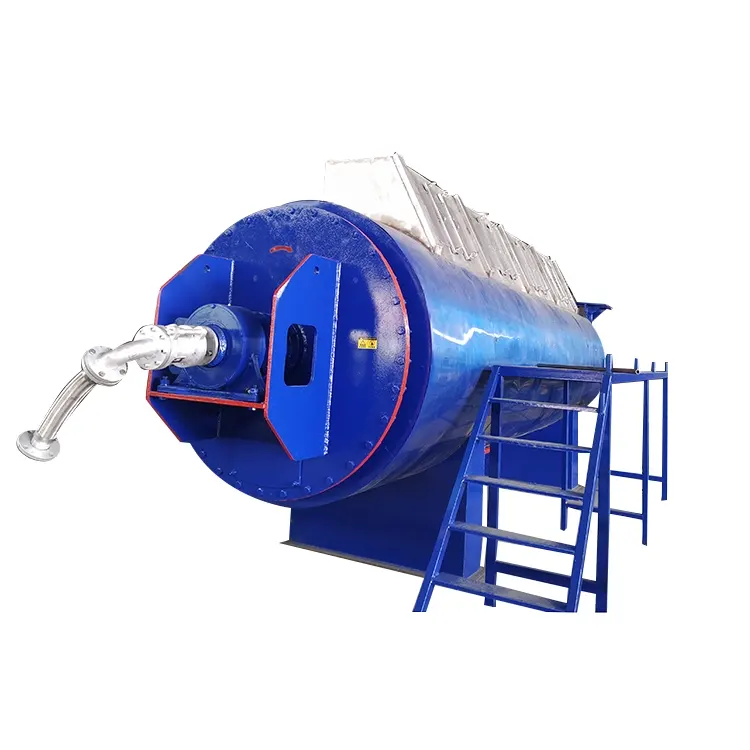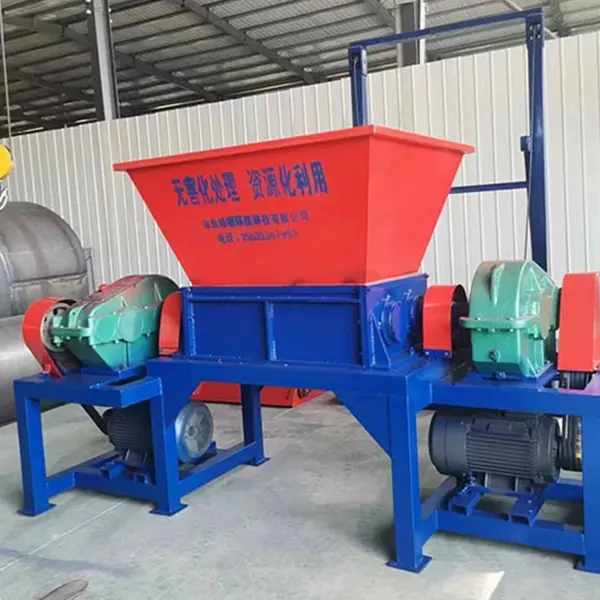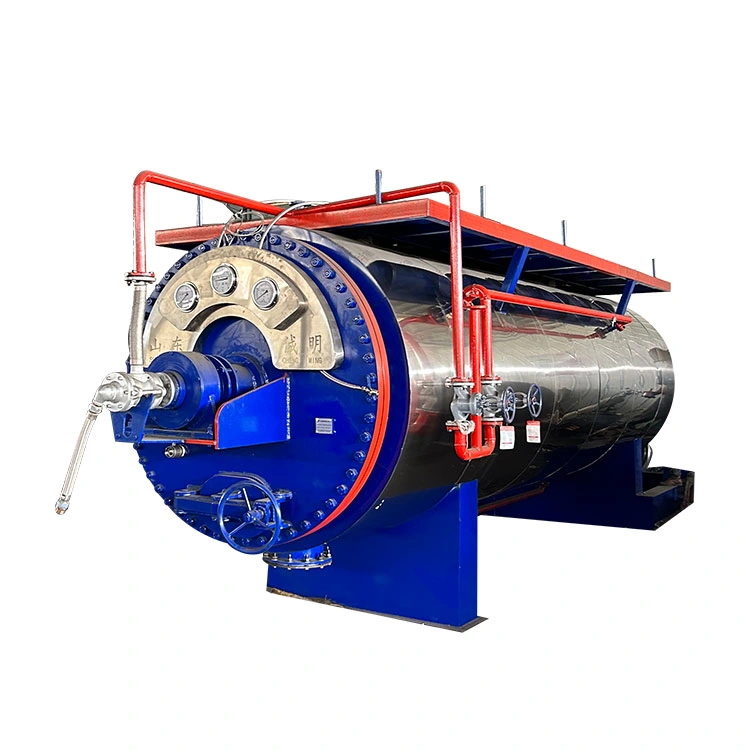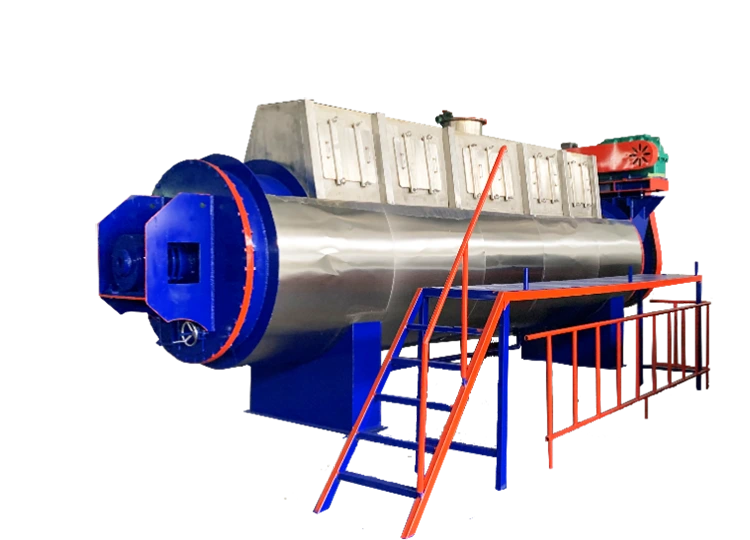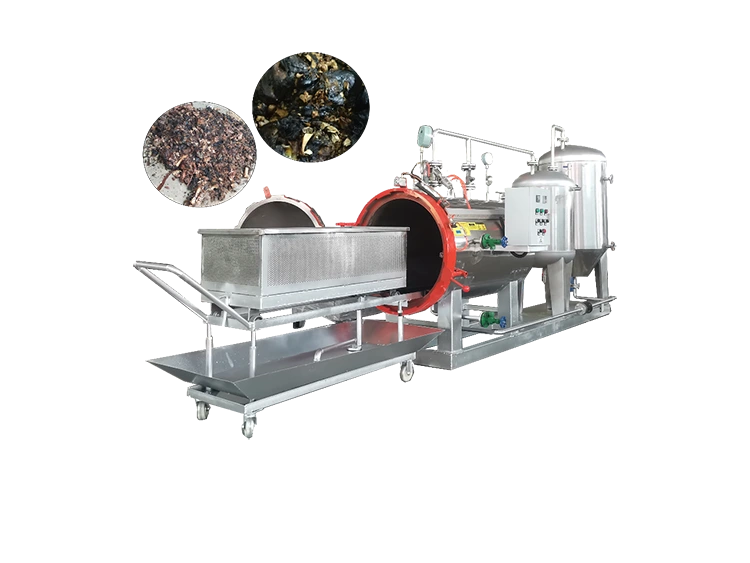
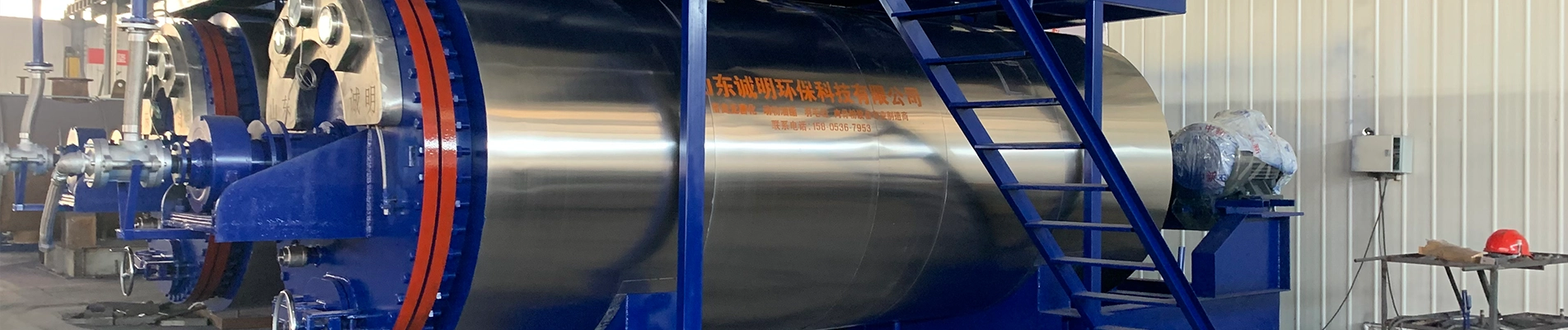
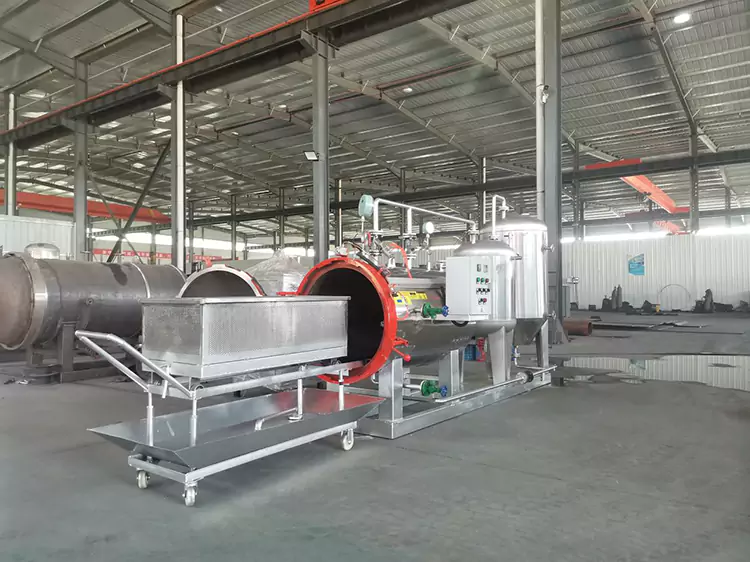
In modern society, people are increasingly aware of environmental issues and attach greater importance to public health and safety. Chengming's Slaughterhouse Rendering Machine, part of our wet rendering machine series, is a crucial environmental protection device. It is primarily used to treat diseased and dead animals, slaughterhouse waste, and organic waste that may carry pathogens. The processing technology utilizes high-temperature and high-pressure humidification.
The wet rendering machine can treat waste related to 46 animal diseases, including anthrax and foot-and-mouth disease, and is primarily used in farms and slaughterhouses.
The harmless wet rendering machine utilizes high-temperature, high-pressure, saturated steam in direct contact with the material being treated. When the steam condenses into water upon contact with the material, it releases a significant amount of heat energy. This not only dissolves fats and solidifies proteins, but also, through the synergistic effect of high temperature and high pressure, eliminates all pathogens in the material.
In farms and slaughterhouses, animals that die of natural causes or disease often carry a variety of pathogens. If left untreated or handled improperly, these pathogens will quickly decompose, emitting foul odors that pollute the air, water, and soil, contributing to the spread of disease. Our harmless treatment equipment can effectively address this problem.
|
Shipping |
Dedicated delivery |
|
Color |
Silver-gray |
|
Temperature |
100°C-180°C |
|
Category |
Wet rendering machine |
|
Material |
Carbon steel/stainless steel |
|
Heating Method |
Steam generator |
|
Model |
Tank size (mm) |
Design pressure (Mpa) |
Design temperature (℃) |
Processing capacity (kg) |
|
CMJ-0712 |
φ700/1200 |
0.85 |
180 |
100 |
|
CMJ-0918 |
φ900/1800 |
0.85 |
180 |
300 |
|
CMJ-1022 |
φ1000/2200 |
0.85 |
180 |
500 |
|
CMJ-1230 |
φ1200/3000 |
0.85 |
180 |
1000 |
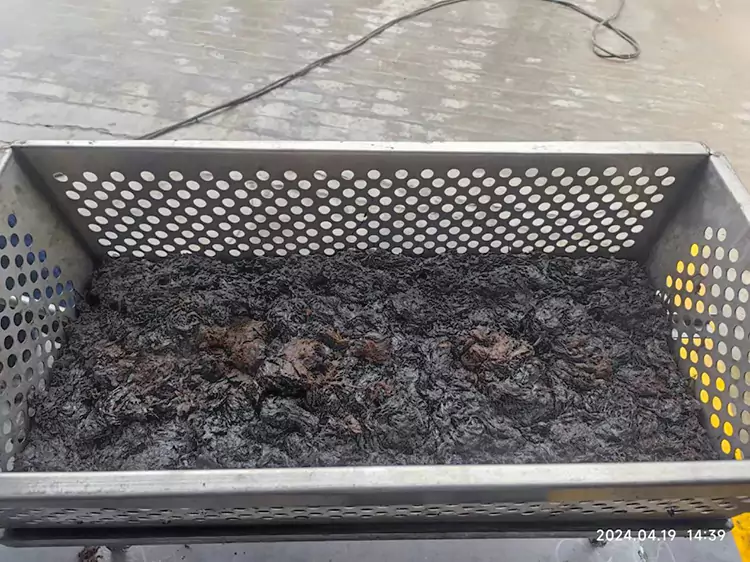
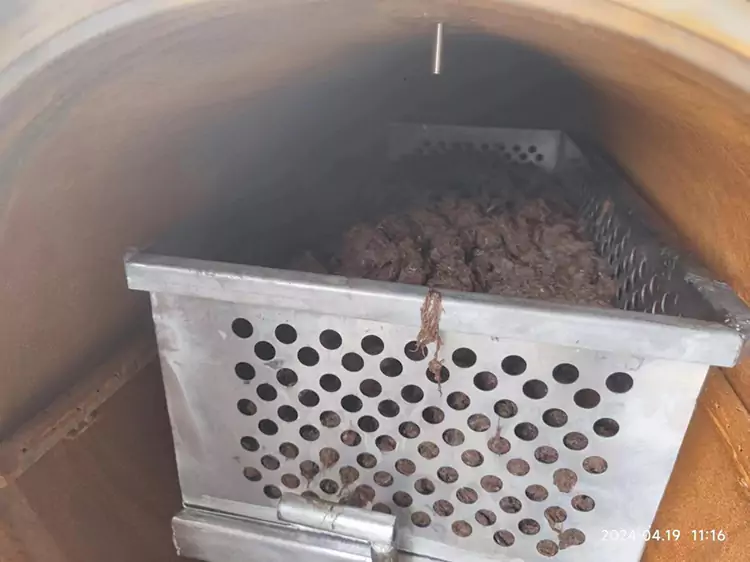
The Slaughterhouse Rendering Machine uses humidification to sterilize the carcasses or diseased parts of diseased animals at high temperatures. After humidification, the carcasses can be boiled down into industrial oil, while also producing other residues.
In terms of public health and safety, it effectively kills various pathogenic microorganisms, preventing the spread of major animal diseases and ensuring the healthy development of the livestock industry. For example, in the case of African swine fever and swine fever, once an outbreak occurs, timely treatment of dead pigs can quickly cut off transmission routes, reduce the risk of disease spread, maintain meat food safety, and ultimately, protect the health of the people.