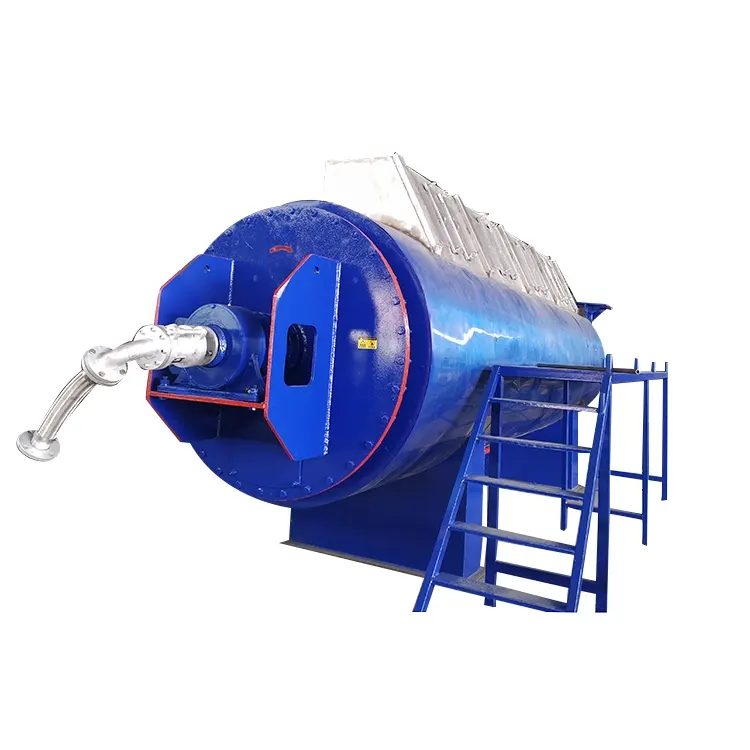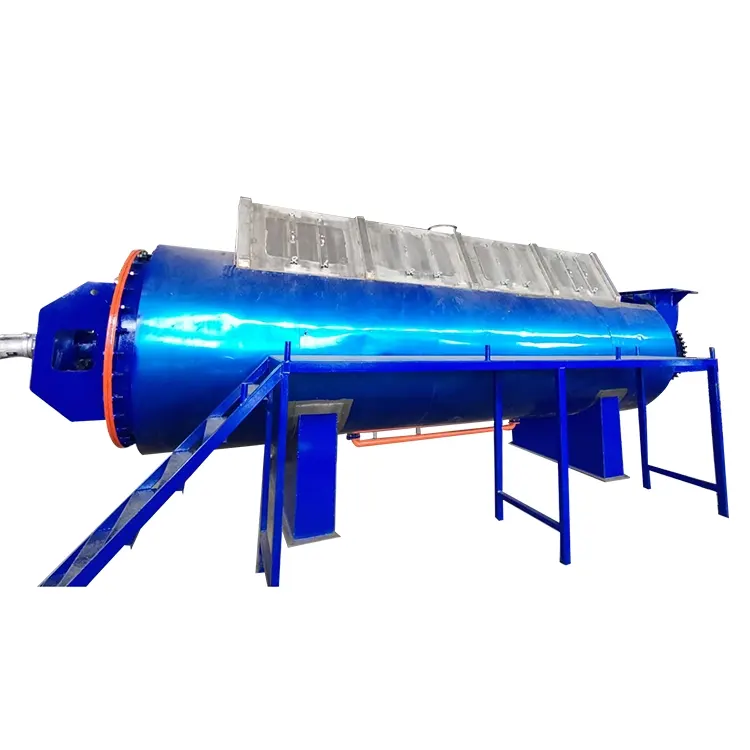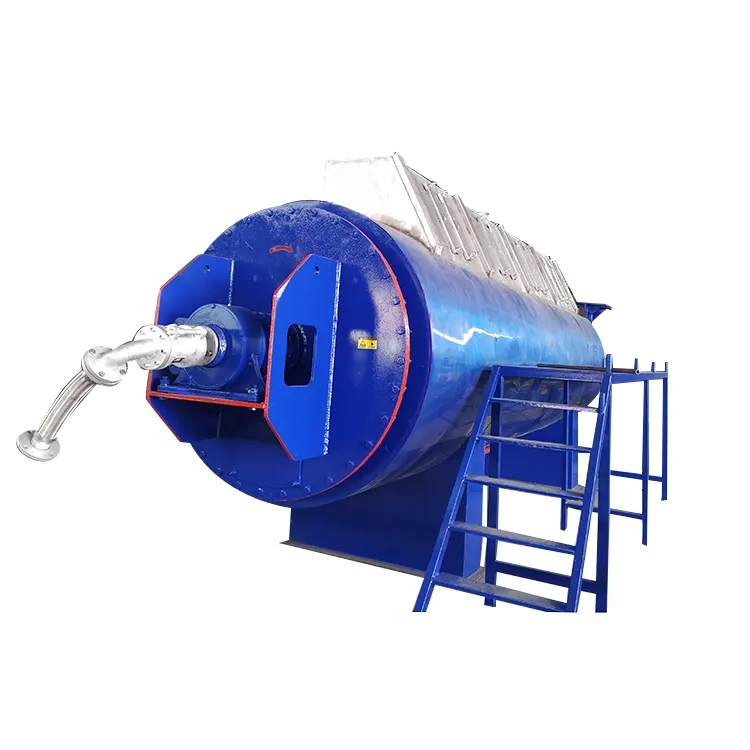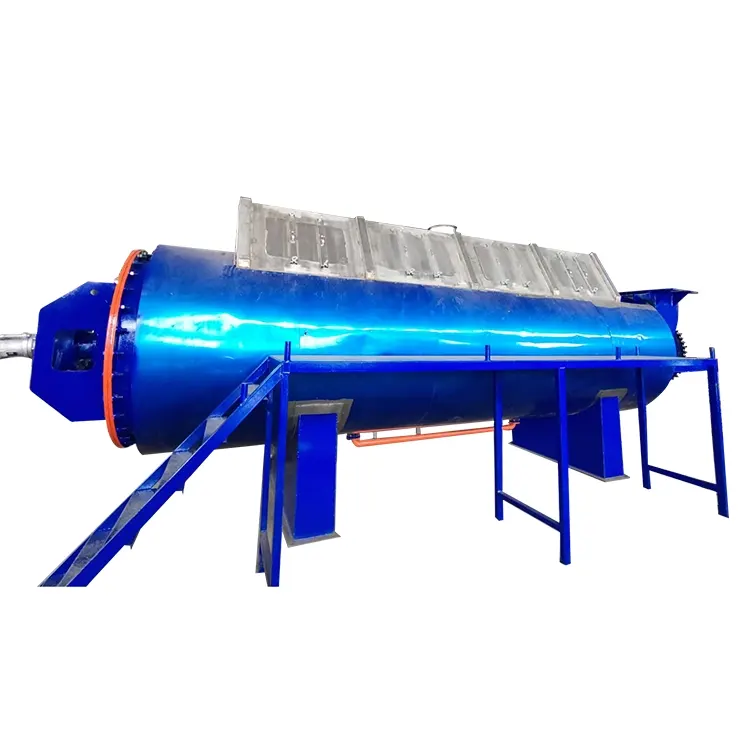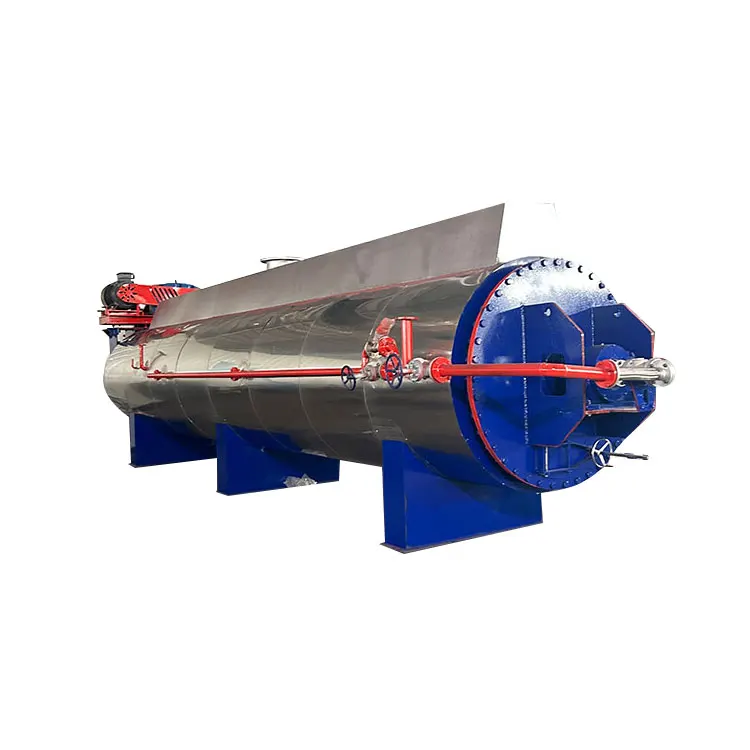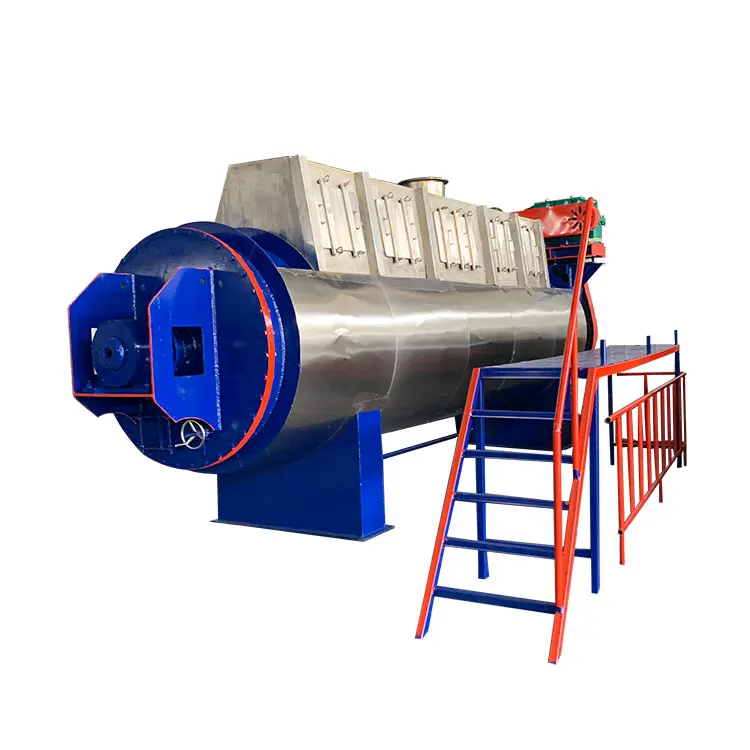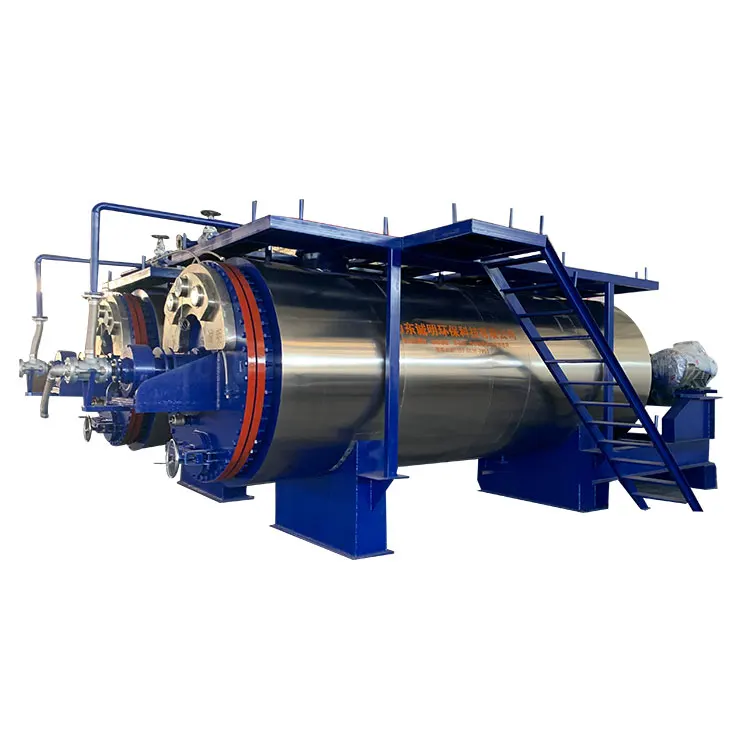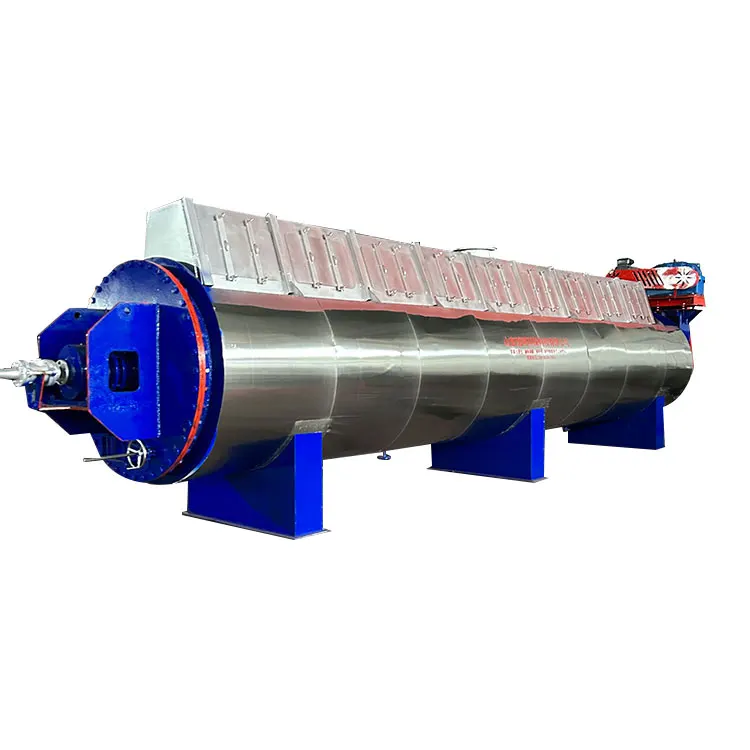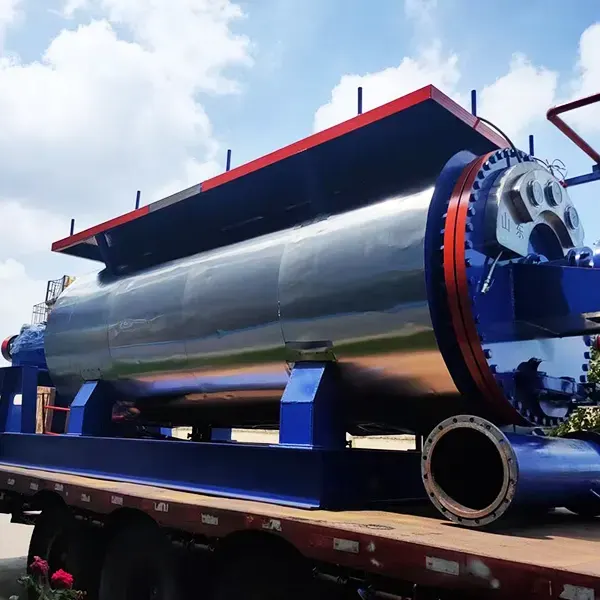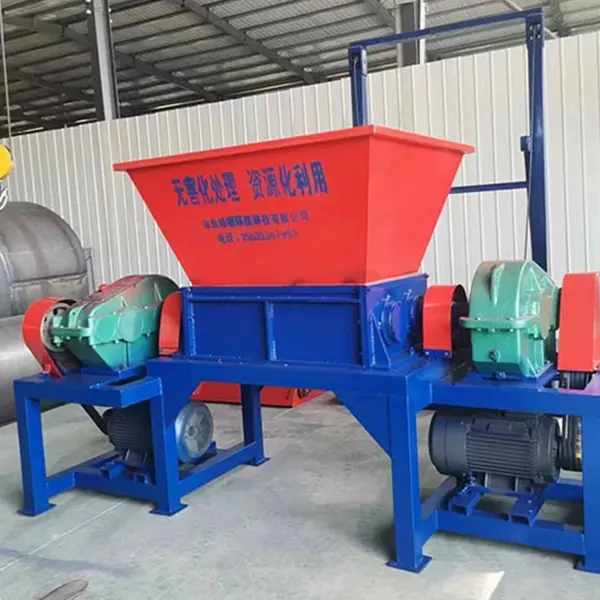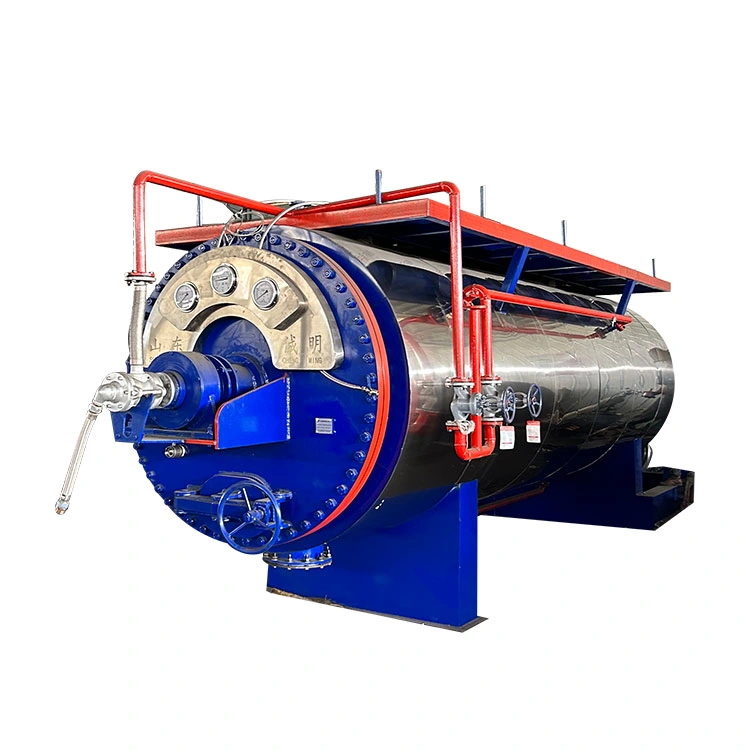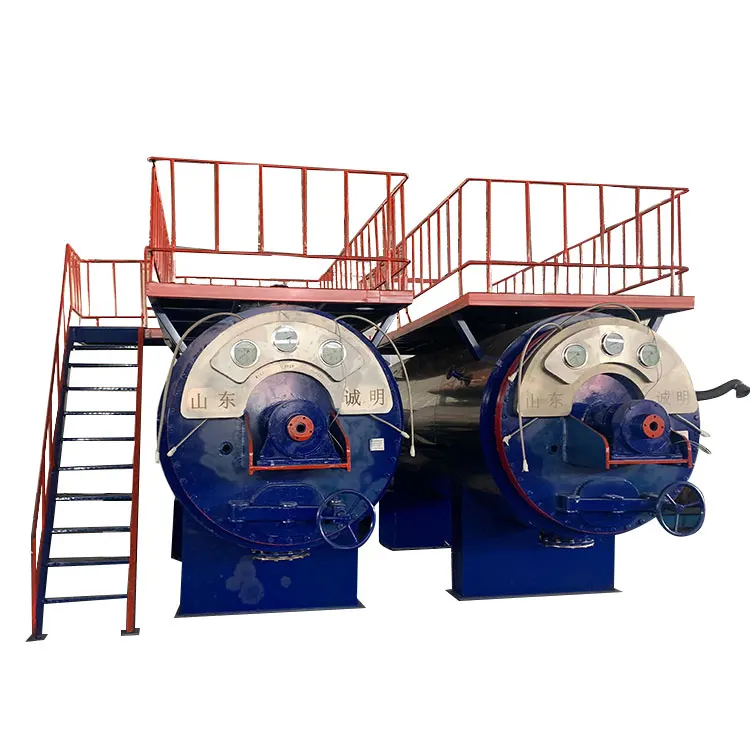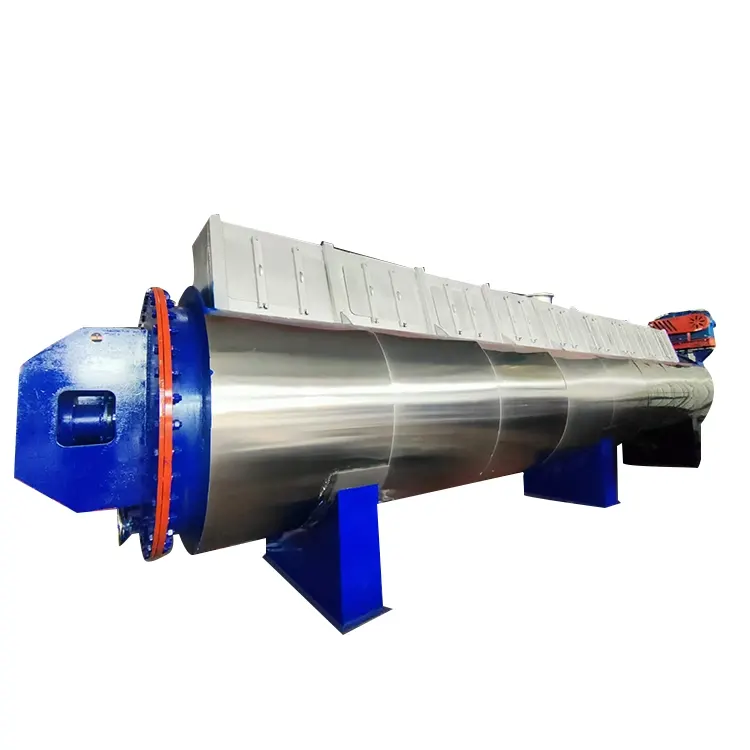
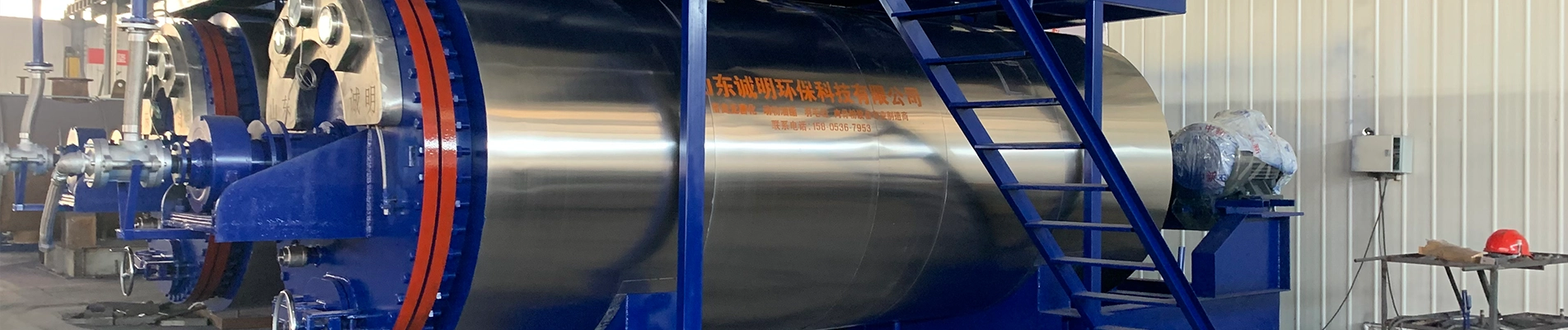
The core working principle of a Food Waste Dryer is to vaporize and separate moisture from food waste through heat transfer, achieving waste reduction, harmlessness, and resource recovery. Essentially, it uses heat to break down the bonds between moisture and organic matter in food waste. The water vapor is then expelled through airflow or mechanical action, leaving a dry, solid residue.
|
Q |
A |
|
How big is the food waste dryer? |
We offer 1-ton, 2-ton, 5-ton, and 10-ton sizes, customizable upon request. |
|
How long does it take to dry food waste? |
Drying times vary from 3 to 8 hours, with higher configurations offering shorter drying times. |
|
What is the heating method? |
Steam: Low energy consumption, saving costs. |
|
Processing capacity |
The daily processing capacity of small dryers is 100KG-2T, the daily processing capacity of small and medium-sized dryers is 2T-5T, and the daily processing capacity of large dryers is more than 5T. |
|
Temperature range |
80-160°C |
|
Device advantages |
Low energy consumption, energy-saving and environmentally friendly |
|
Voltage |
220/380V |
|
Transportation |
Dedicated delivery |
1. Efficient Processing
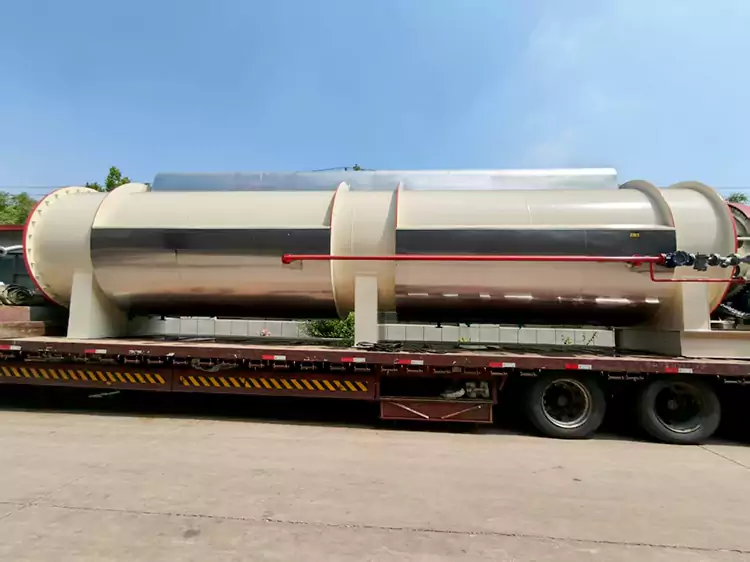
The food waste dryer with full automation design can quickly and efficiently process large quantities of food waste, reducing its volume and weight, later the storage, transportation, and further processing will be more convenient. The efficient drying process quickly removes moisture from food waste, controlling the bacterial growth and improving the waste handling environment.
2. Energy Saving and Environmental Protection
The food waste dryer applies high-efficiency combustion technology and waste heat utilization to reduce energy consumption. A closed heat circulation system is also available to prevent dust and odor from entering the environment with the waste. Drying reduces odor and leachate from landfills and incineration, contributing to environmental protection.
3. Treatment Results
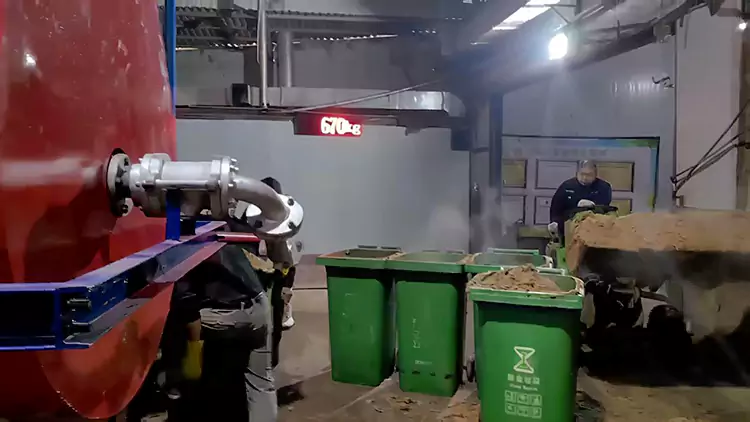
The volume of treated food waste is reduced by 70%-80%, and the dried residue is odorless. So you can find an obvious difference between using the equipment or not.
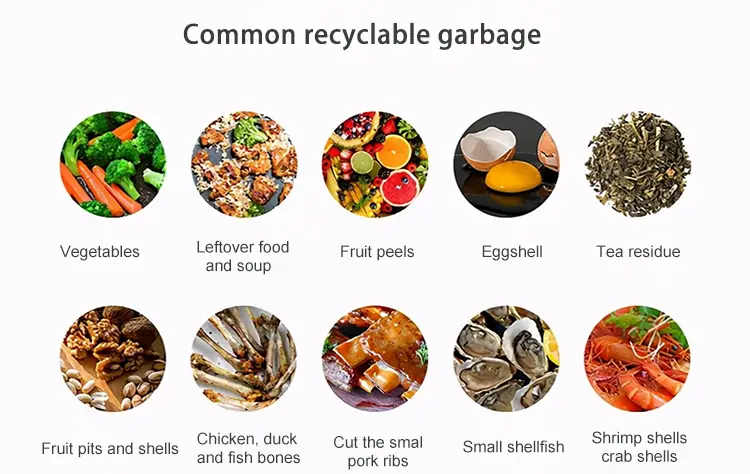
Large-scale food waste treatment plants are the core locations for scaling up, reducing, and repurposing food waste. Dryers can be used as pre-treatment or advanced processing steps, complementing processes such as sorting, shredding, and anaerobic digestion.
Many foreign users purchase our dryer equipment, such as Russia, Kazakhstan, Singapore, Indonesia, etc.