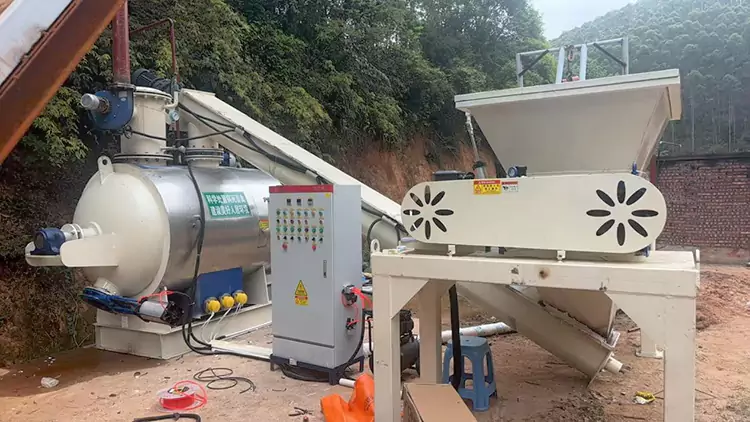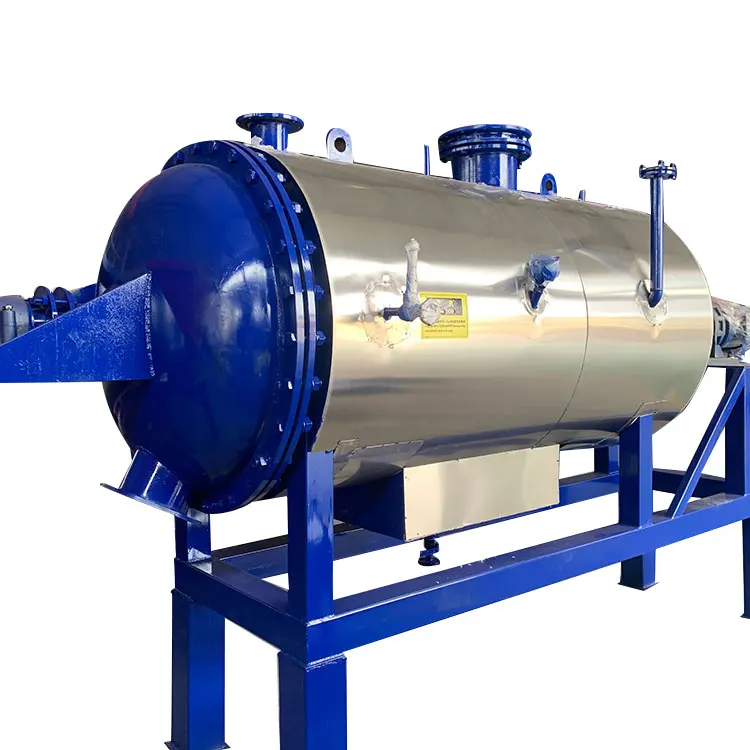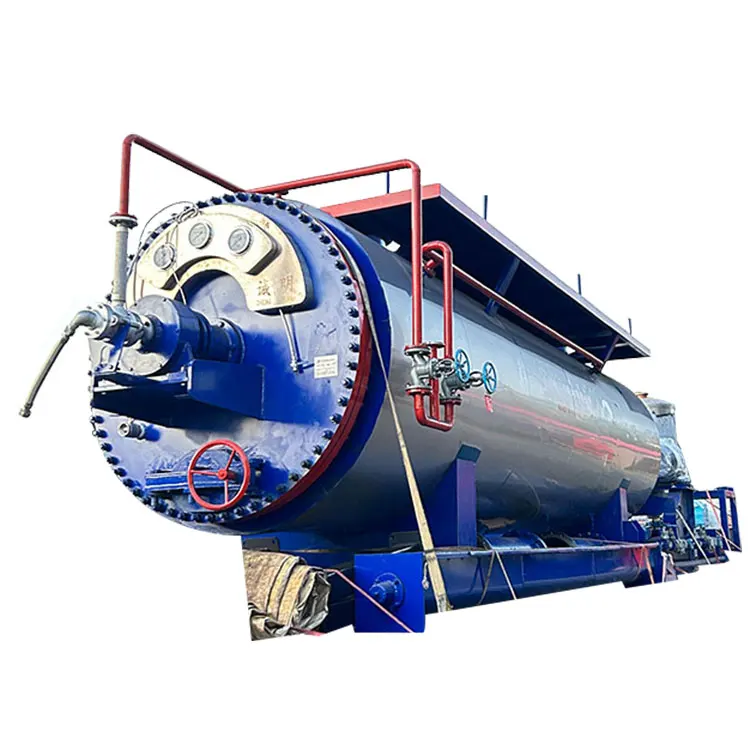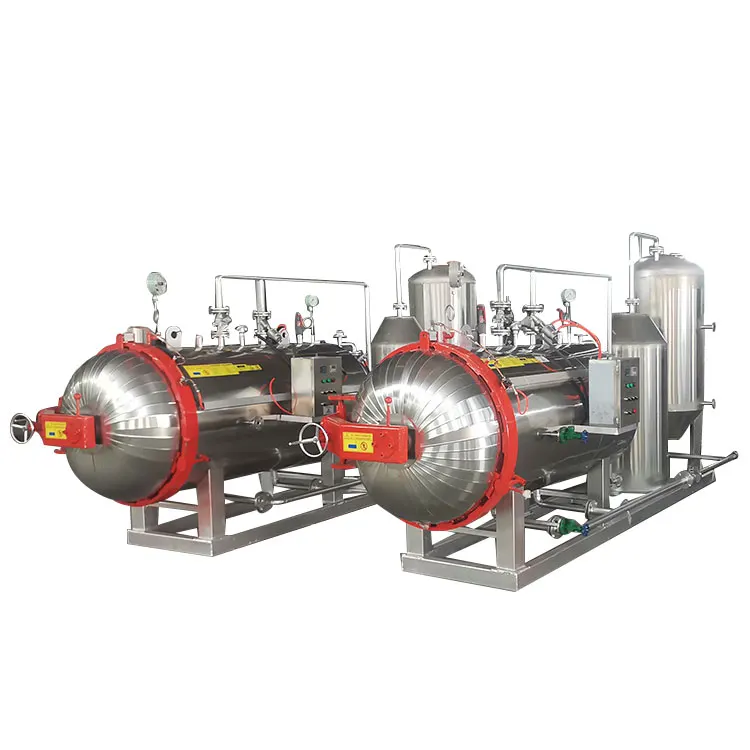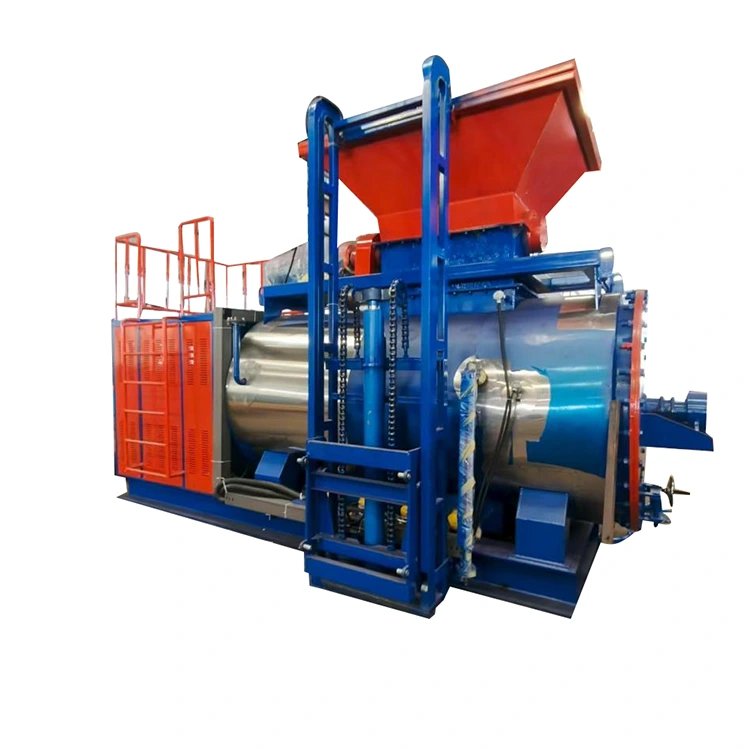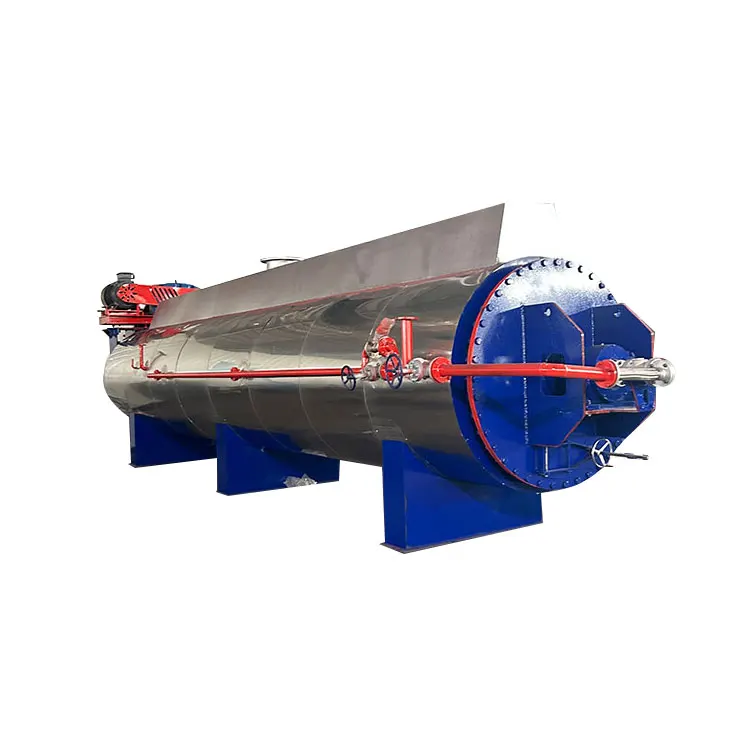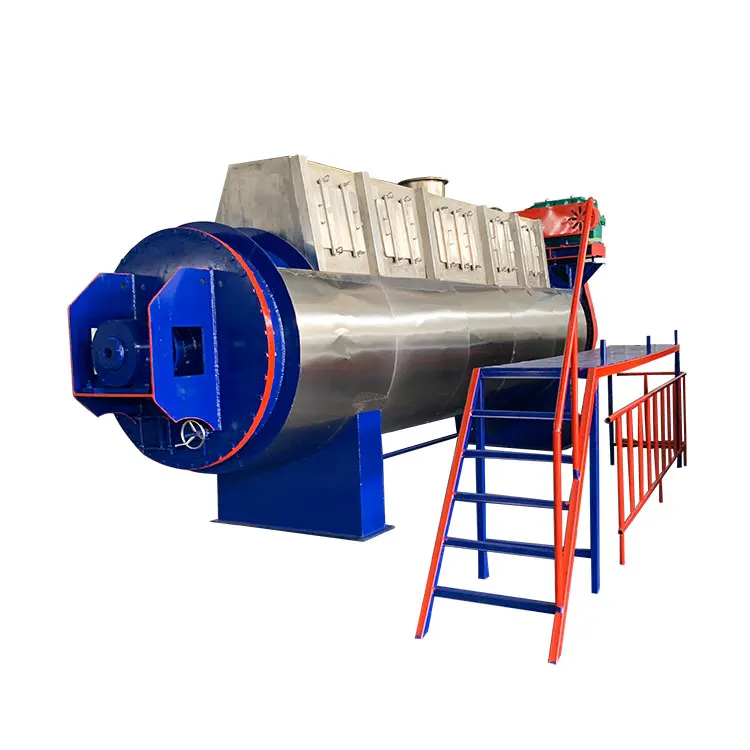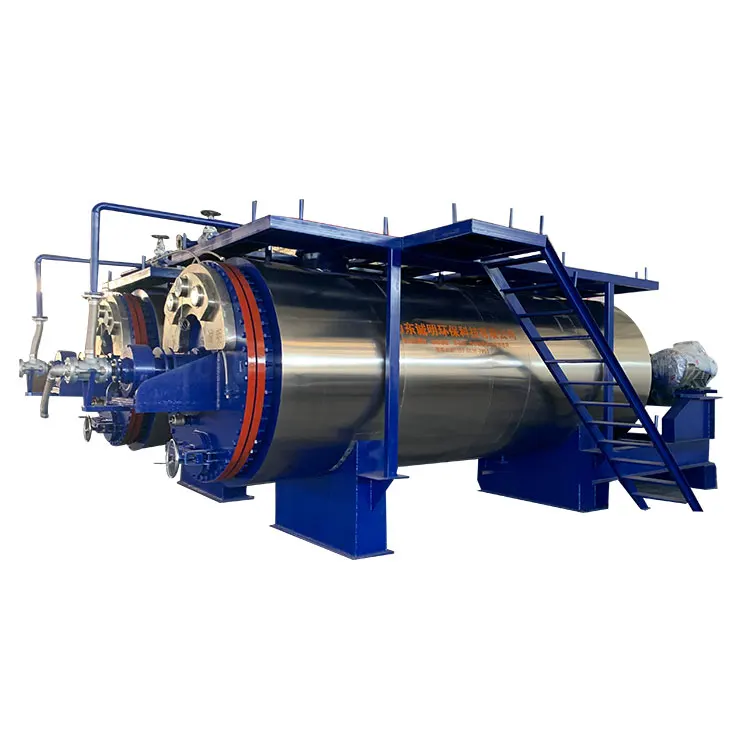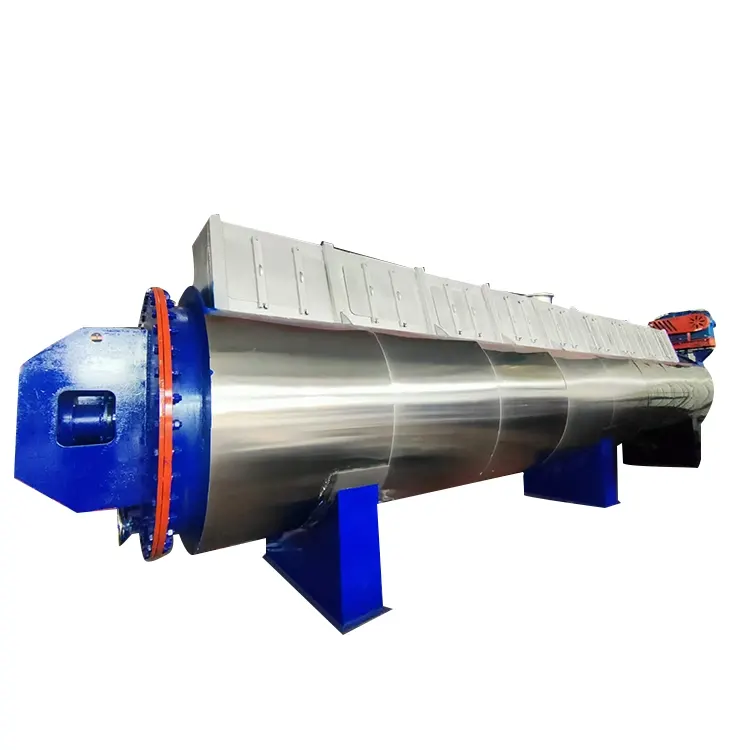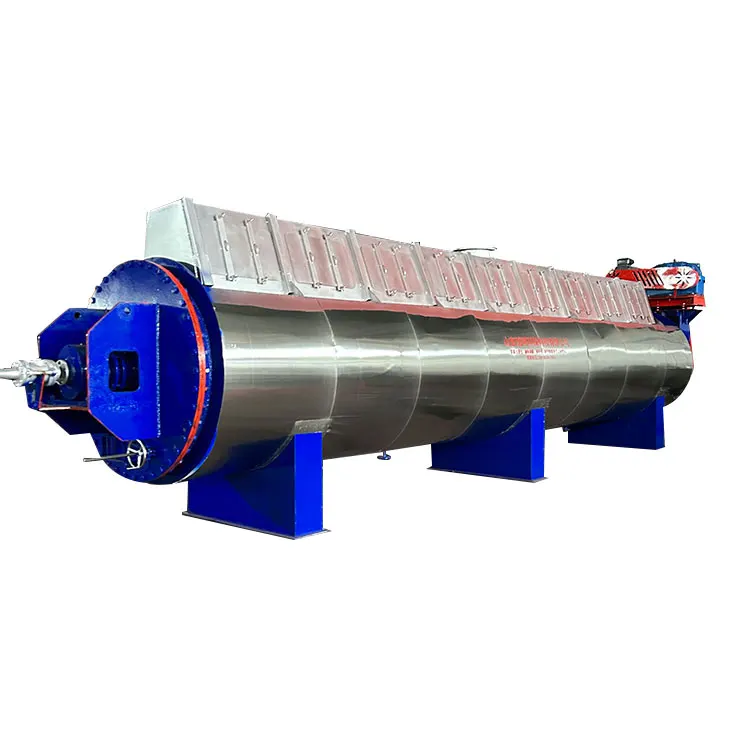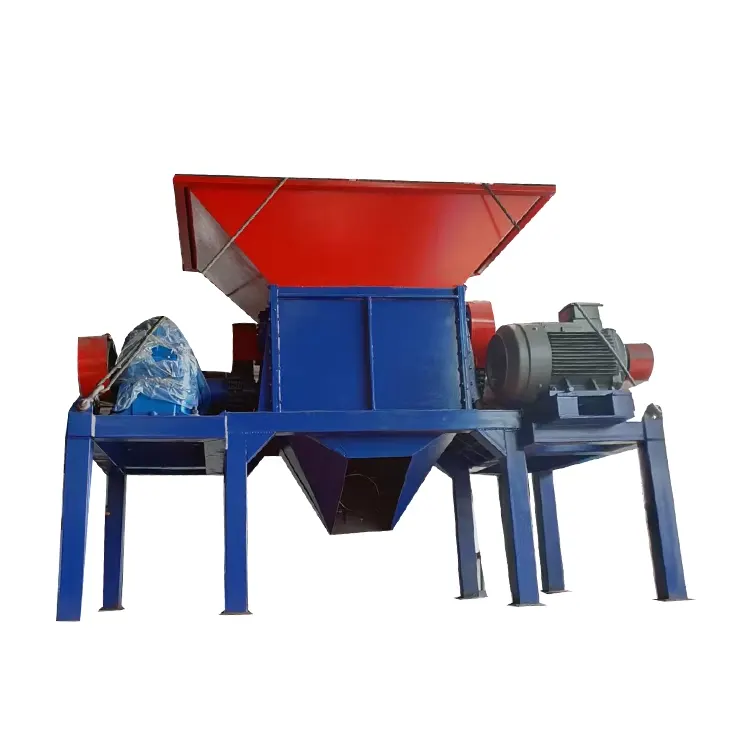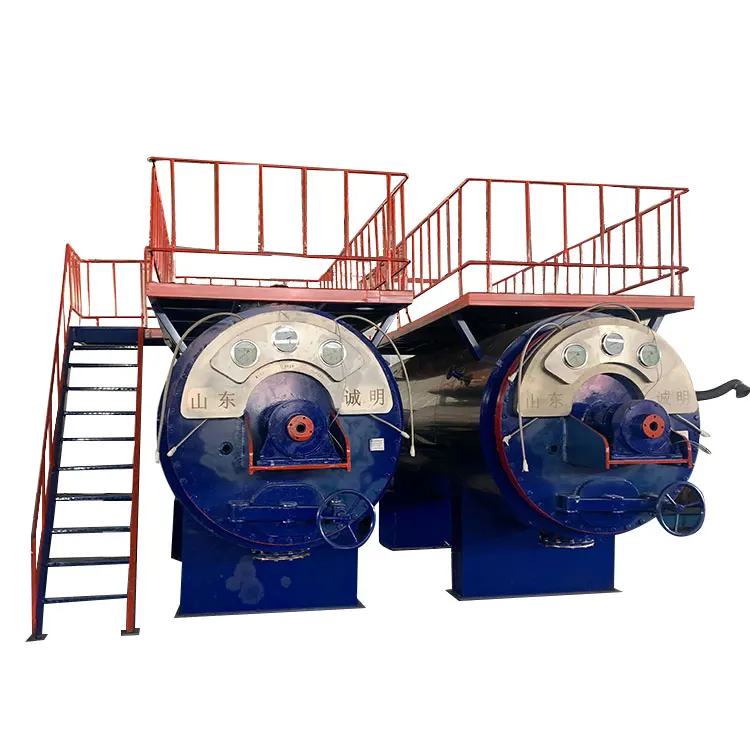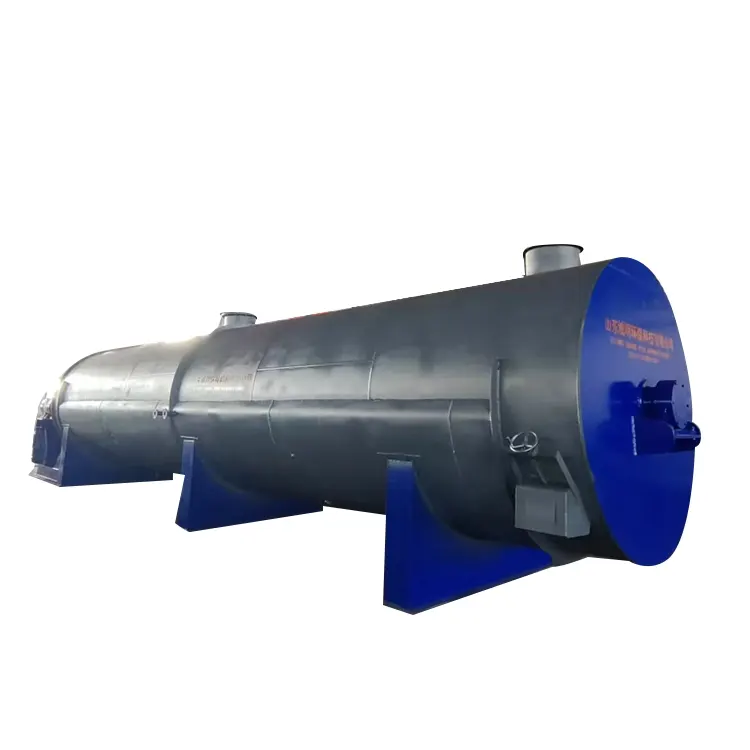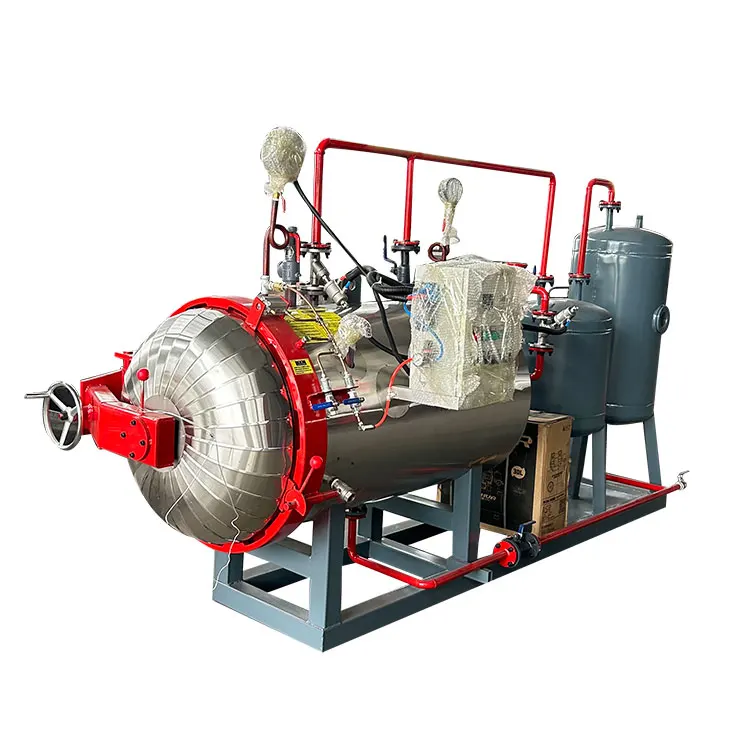
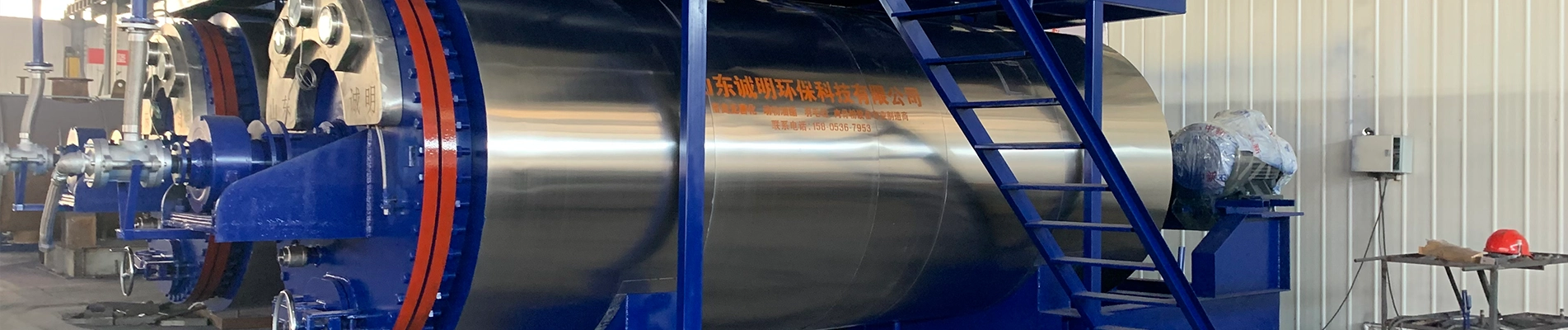
The Livestock Farm Rendering Machine consists of core components such as a pre-crushing unit, a combined chemical processing and drying unit, crushing equipment, an exhaust gas treatment system, and a conveying system. The dryer utilizes a high-temperature chemical processing principle, introducing high-pressure saturated steam. The pressure and temperature transmitted through the interlayer melt fats and coagulate proteins in a dry, hot environment, while also achieving thorough sterilization through high temperature and high pressure.
During treatment, diseased animals undergo pre-crushing before being transported via a conveyor to the combined chemical processing and drying unit. This unit performs both chemical processing and drying simultaneously, first using high temperature and high pressure for maturation and sterilization, followed by the drying and dehydration process. Exhaust gases generated during this process undergo dust reduction, condensation, and filtration before meeting standards before being discharged.
The dried material is transported via a screw conveyor to the oil press for degreasing and simultaneous oil recovery. The remaining residue after oil extraction is crushed to produce bone and meat meal. Oil can be used as a raw material for industrial oil, feed oil, and bio-oil, while meat and bone meal is a core ingredient for high-protein feed and organic fertilizer.

|
Color |
Blue, Red |
|
Temperature |
100°C-180°C |
|
Price customization available |
Yes |
|
Material |
Carbon Steel, Stainless Steel |
|
Heating method |
Steam |
|
Application range |
Farms, Slaughterhouses |
|
Model |
Tank size (mm) |
Design pressure (Mpa) |
Design temperature (℃) |
Processing capacity (T) |
|
CMJ-1 |
φ1300/1400*2000 |
0.45/0.65 |
160/190 |
1 |
|
CMJ-2 |
φ1400/1600*2162 |
0.45/0.65 |
160/190 |
2 |
|
CMJ-3 |
φ1400/1600*3062 |
0.45/0.65 |
160/190 |
3 |
|
CMJ-4 |
φ1400/1600*4036 |
0.45/0.65 |
160/190 |
5 |
Traditional treatment methods such as open-air burning and landfilling can cause severe pollution to soil, water, and air. Pathogens can penetrate and contaminate groundwater and soil. Open-air burning also produces toxic gases such as dioxins and sulfides. These are undesirable and incompatible with modern society's pursuit of environmental protection.
Livestock and poultry harmless treatment equipment uses closed, standardized processes to control pollutant emissions at the source. Exhaust gas generated during the treatment process undergoes desulfurization, denitrification, and dust removal before meeting emission standards. It is free of odor and toxic gases, virtually eliminating the problems associated with open-air burning.
Waste liquid is converted into harmless water or biogas through solid-liquid separation and anaerobic fermentation, preventing water pollution. Solid residues are sterilized and converted into organic fertilizer raw materials, eliminating harmful residues that seep into the soil and addressing the potential risks of direct landfilling.
Professional Installation Team: We can dispatch experienced engineers to provide on-site installation guidance or directly install the equipment. The equipment foundation, water, electricity, steam/gas, and other supporting facilities meet customer requirements.
Comprehensive Commissioning: After the equipment is installed, our engineers will directly conduct no-load and load commissioning, adjusting all parameters to optimal conditions to ensure that the output meets the expected standards during subsequent use.
Operation Training: After installation and commissioning, we will also provide your operators with systematic training covering equipment structure principles, operating procedures, daily maintenance, common troubleshooting, safety precautions, and more. A detailed Chinese operator's manual will also be provided.