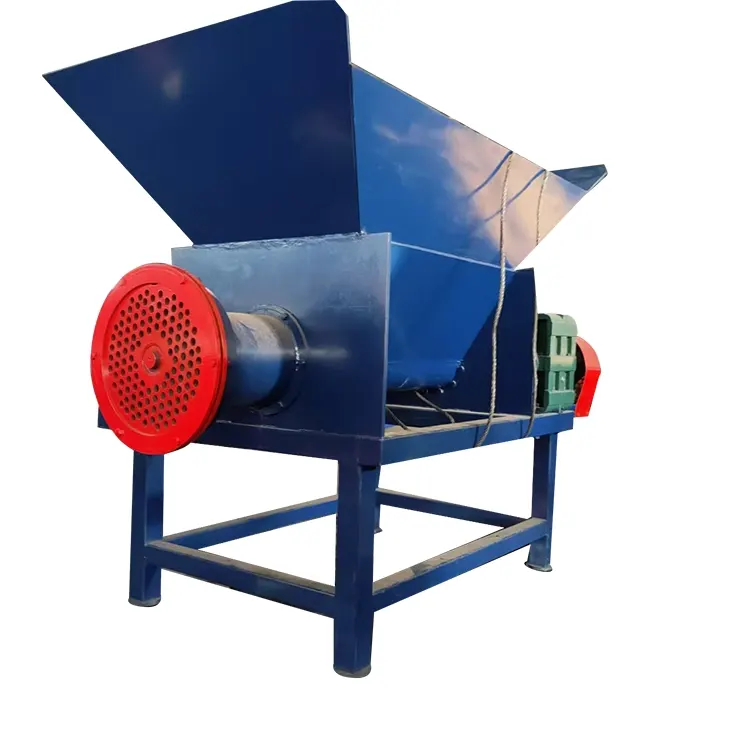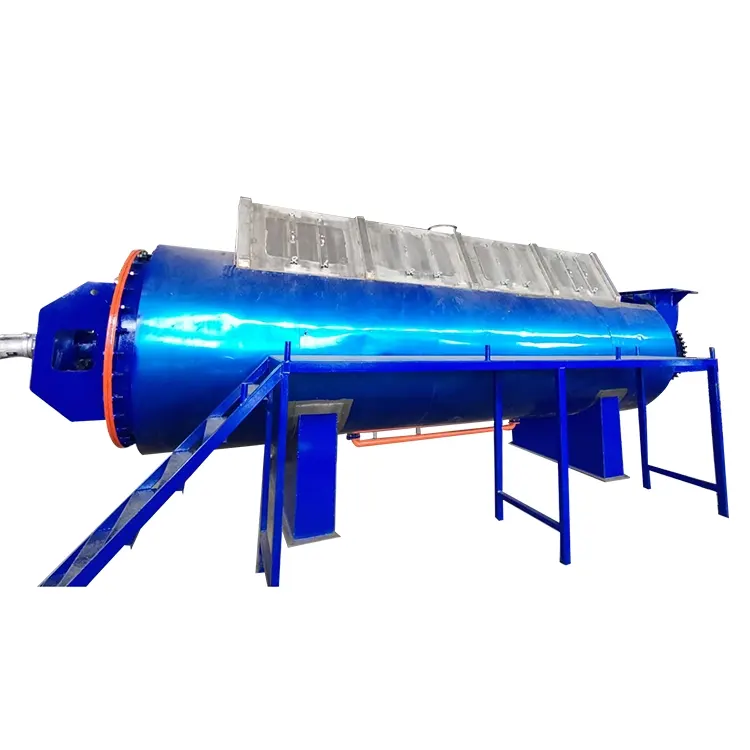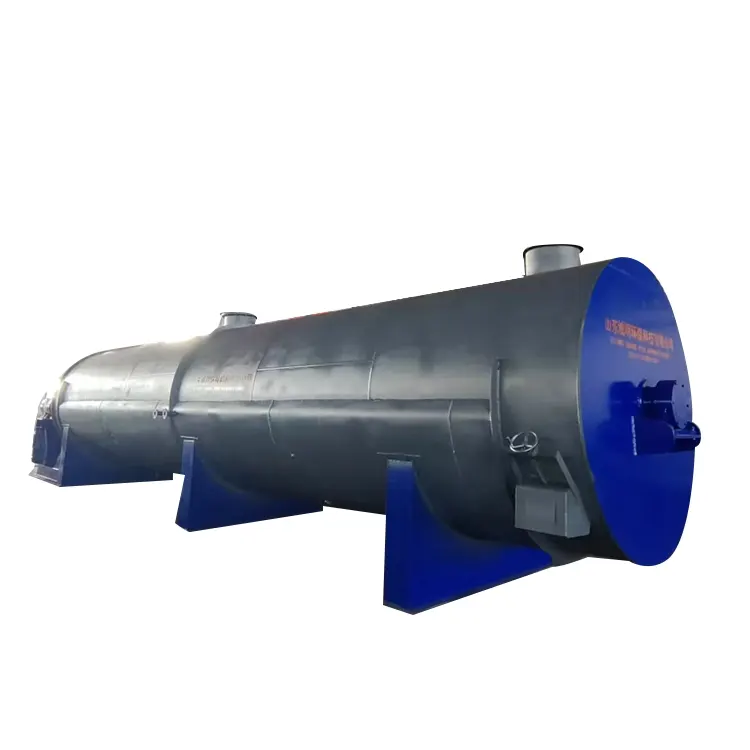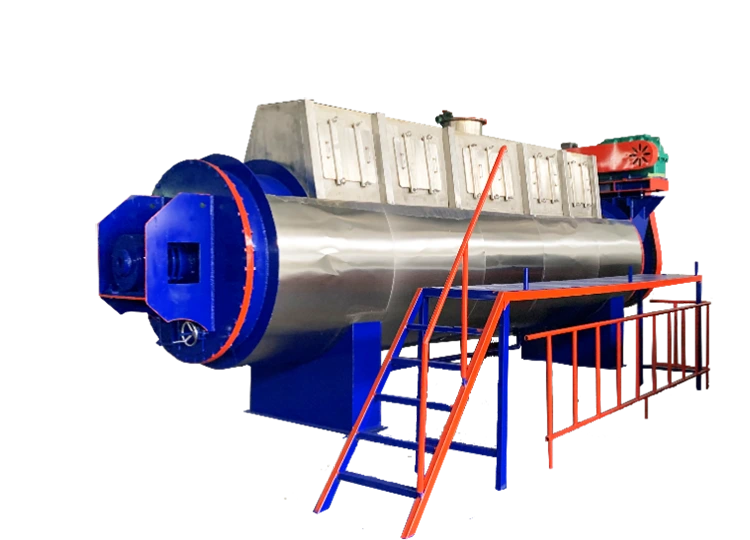

As environmental regulations tighten and sustainability expectations rise, modern environmental facilities are under increasing pressure to treat waste more efficiently, safely, and economically. One of the most critical challenges is reducing waste volume, stabilizing hazardous components, and enabling downstream recycling or disposal without secondary pollution. In this context, the Harmless Treatment Dryer has become a core piece of equipment across sludge treatment plants, hazardous waste centers, and resource recovery facilities.
At Shandong Chengming Environmental Protection Technology Co., Ltd., years of engineering experience have demonstrated that drying technology is not merely a mechanical process but a strategic solution that integrates thermal efficiency, material adaptability, and operational safety. Our approach focuses on delivering long-term performance through robust design, precise temperature control, and flexible system configurations developed in our factory.
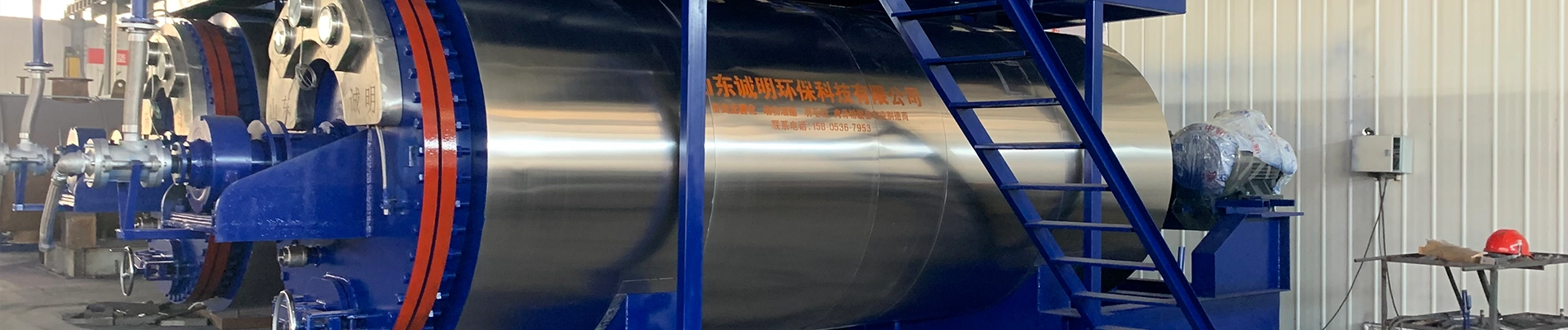
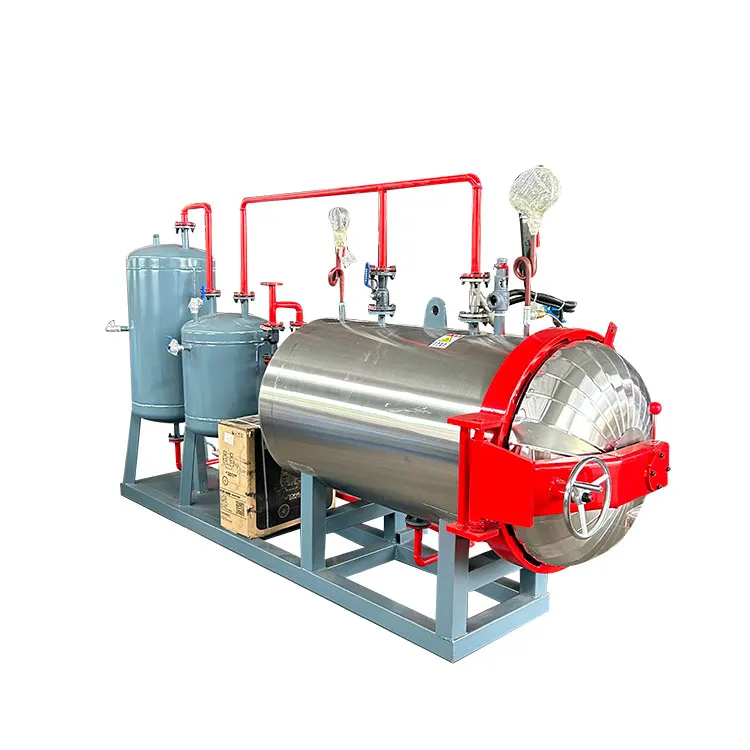
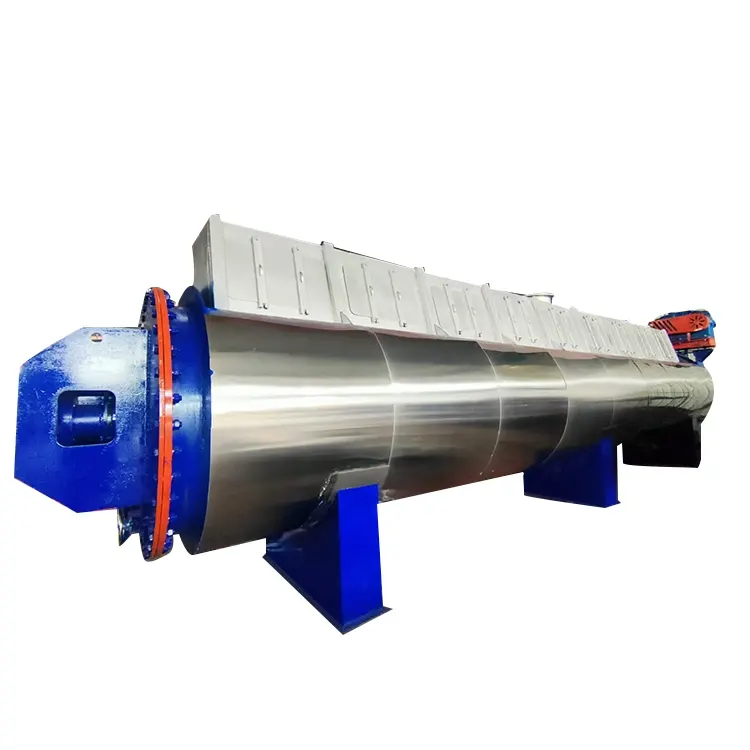
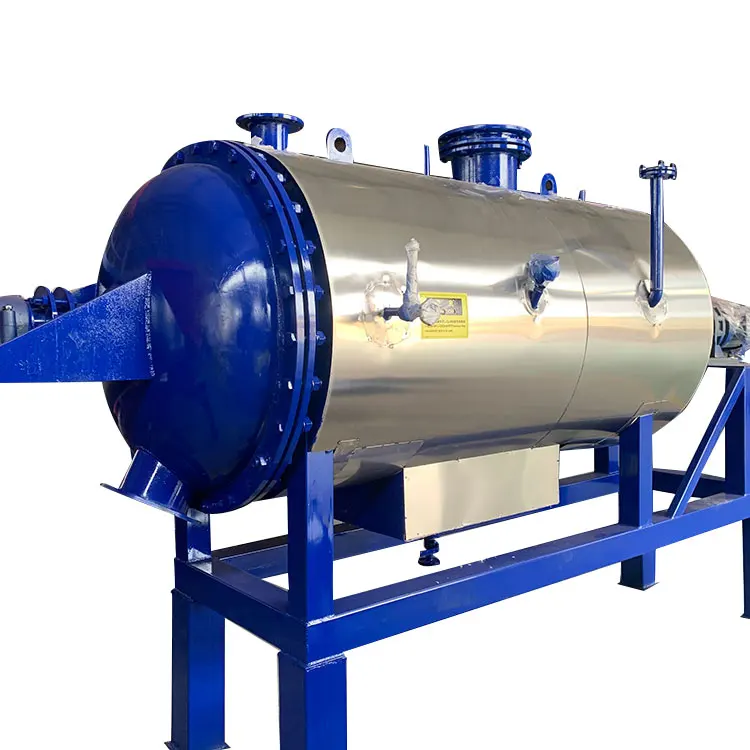
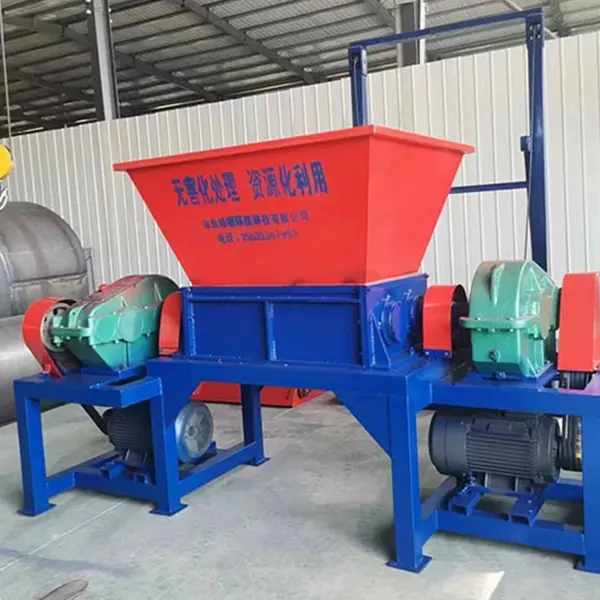
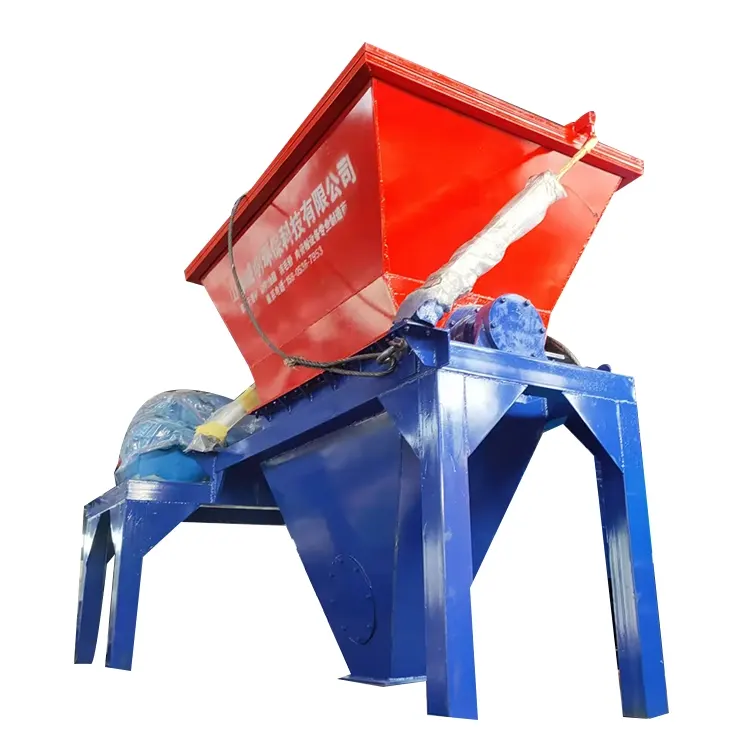
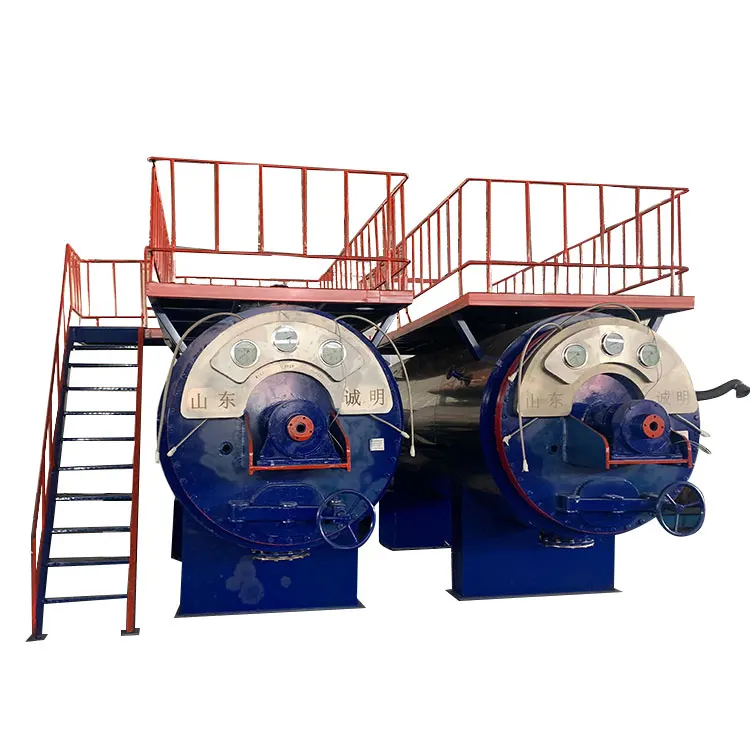
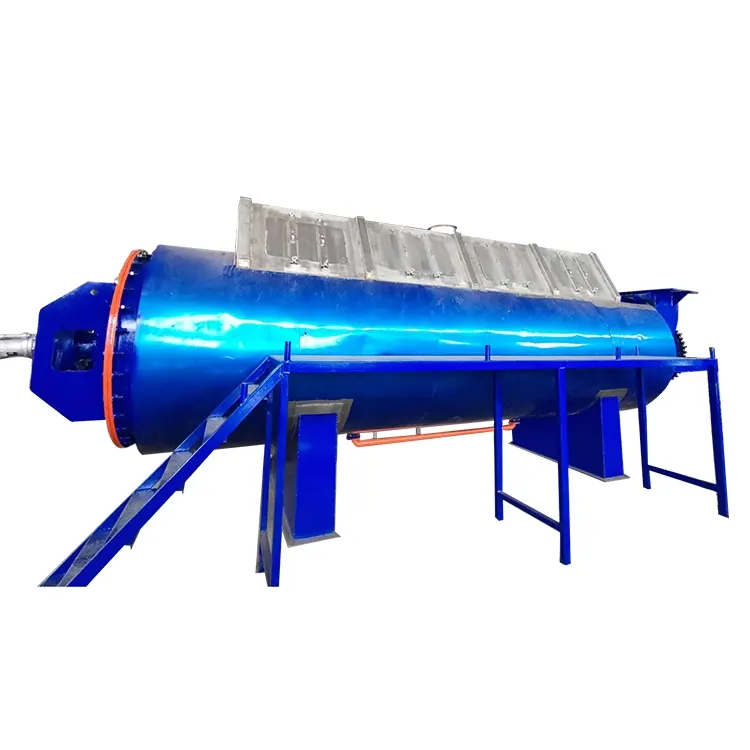
A Harmless Treatment Dryer is an industrial drying system designed to remove moisture from waste materials while neutralizing biological, chemical, or physical hazards. Unlike conventional dryers, this equipment is engineered to meet strict environmental and safety standards, ensuring treated waste can be safely reused, transported, or disposed of.
In our factory, the system design emphasizes controlled heat transfer, uniform material movement, and sealed operation. Waste materials such as sludge, medical waste residue, industrial byproducts, or organic refuse are introduced into the drying chamber, where thermal energy evaporates moisture under regulated conditions.
Key working principles include:
Shandong Chengming Environmental Protection Technology Co., Ltd. has refined these principles into standardized yet customizable systems. Our experience shows that stable internal temperature gradients and controlled residence time are essential for achieving harmless treatment goals without degrading material structure.
Drying is often underestimated in waste management, yet it directly influences transportation costs, landfill safety, and resource recovery efficiency. High moisture content increases weight, accelerates microbial activity, and complicates downstream processing.
From an operational standpoint, the Harmless Treatment Dryer delivers multiple efficiency gains:
Our data from multiple installations indicate that moisture reduction of 50 to 80 percent can translate into substantial cost savings over time. At Chengming, system sizing and thermal balance calculations are performed in our factory to align with real operating conditions, ensuring long-term efficiency rather than short-term performance.
Long-term performance depends heavily on mechanical durability, corrosion resistance, and ease of maintenance. Environmental waste streams often contain corrosive chemicals, abrasive solids, and fluctuating moisture levels.
The Harmless Treatment Dryer systems we manufacture integrate the following design considerations:
Our factory testing protocols include continuous operation simulations to verify bearing stability, sealing performance, and thermal expansion behavior. Shandong Chengming Environmental Protection Technology Co., Ltd. applies these results to refine structural layouts, ensuring that the dryer maintains stable output even under variable waste compositions.
Technical parameters provide measurable indicators of system performance. Selecting the right configuration requires aligning these parameters with material properties and processing goals.
| Processing Capacity | 1 to 50 tons per day |
| Inlet Moisture Content | 30 to 85 percent |
| Outlet Moisture Content | Below 20 percent |
| Operating Temperature | 80 to 300 degrees Celsius |
| Heat Source | Steam, hot air, thermal oil |
| Control System | PLC automatic regulation |
These parameters are not static values but adjustable ranges. Our engineering team tailors each Harmless Treatment Dryer configuration to specific waste profiles, ensuring optimal energy utilization and consistent treatment quality. Shandong Chengming Environmental Protection Technology Co., Ltd. emphasizes parameter transparency so operators can monitor and optimize performance over time.
Operational efficiency is closely linked to regulatory compliance. Environmental facilities must meet emission standards, odor control requirements, and safety protocols.
The Harmless Treatment Dryer enhances compliance through:
Our operational philosophy focuses on reducing manual intervention while maintaining precise control. In our factory, control logic is validated through real-time simulations. Shandong Chengming Environmental Protection Technology Co., Ltd. consistently observes that automation reduces downtime and minimizes human error, contributing to both efficiency and safety.
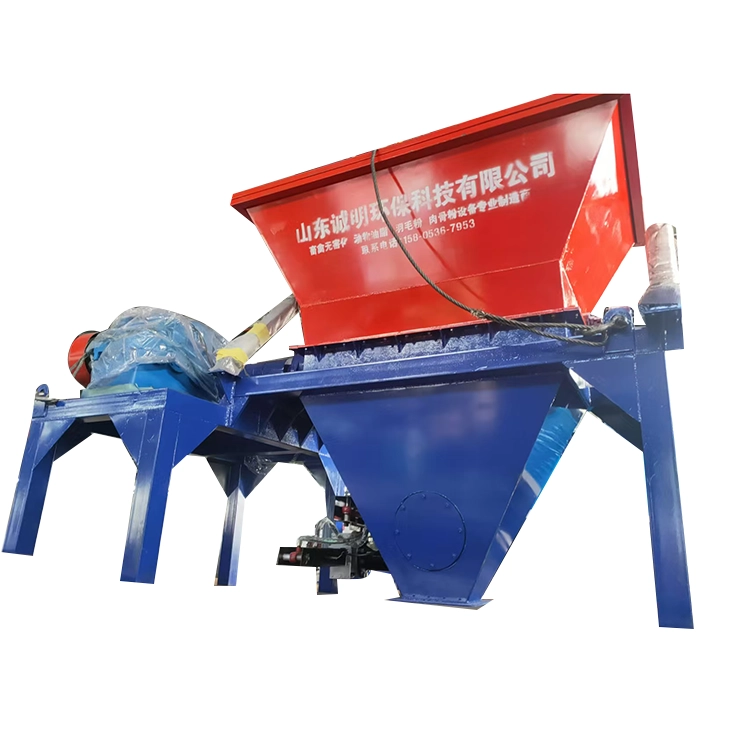
Standalone equipment often creates bottlenecks in waste processing lines. Integrated dryer solutions align drying with feeding, discharge, and post-treatment systems.
Environmental facilities benefit from:
Our integrated system approach is refined through years of project execution. Shandong Chengming Environmental Protection Technology Co., Ltd. designs each Harmless Treatment Dryer as part of a complete solution rather than an isolated machine, ensuring consistent performance throughout the facility lifecycle.
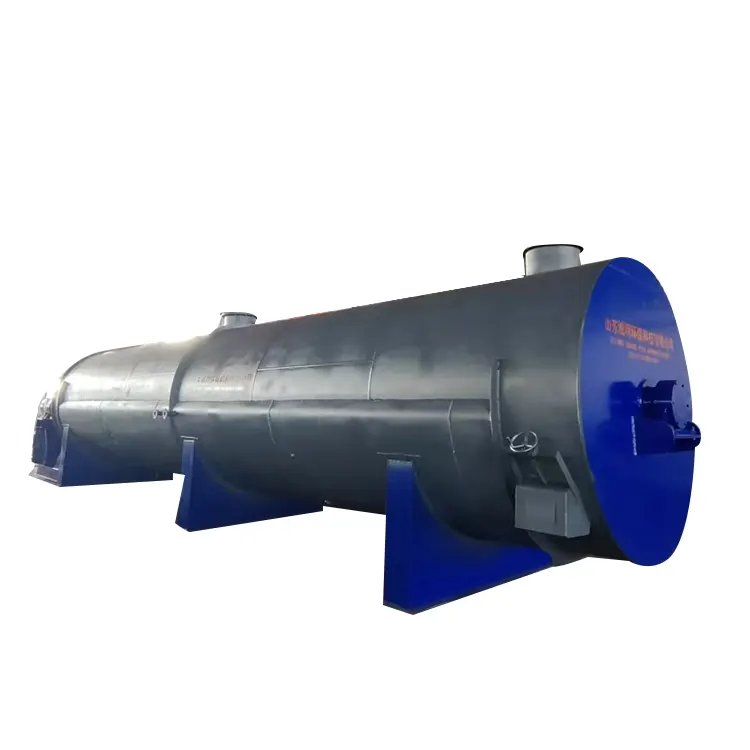
As waste management continues to evolve, drying technology will remain a cornerstone of harmless treatment strategies. A well-designed Harmless Treatment Dryer delivers not only moisture reduction but also operational stability, regulatory compliance, and long-term economic value.
By combining robust mechanical design, precise parameter control, and integrated system thinking, Shandong Chengming Environmental Protection Technology Co., Ltd. supports environmental facilities in achieving sustainable and efficient waste processing. Our commitment to engineering excellence and practical performance continues to guide product development in our factory. For facilities seeking reliable drying solutions tailored to real-world operating conditions, professional consultation and customized system design can significantly enhance overall project outcomes.
Contact our technical team to discuss customized Harmless Treatment Dryer solutions designed for your facility. Professional system design, reliable manufacturing, and long-term service support can help transform waste treatment efficiency into measurable operational value.
Q1: What types of waste materials can be processed using a Harmless Treatment Dryer?
Harmless Treatment Dryers are suitable for sludge, organic waste, industrial residues, contaminated soil, and certain hazardous waste streams that require moisture reduction and stabilization before disposal or reuse.
Q2: How does moisture reduction contribute to higher waste processing efficiency?
Lower moisture content reduces waste volume and weight, which decreases transportation costs, improves handling efficiency, and accelerates downstream treatment or disposal processes.
Q3: Why is closed-system operation important in environmental drying equipment?
Closed-system operation prevents odor leakage, controls emissions, and ensures that gases generated during drying are safely treated, supporting environmental compliance and workplace safety.
Q4: How do automated control systems enhance dryer performance?
Automated systems regulate temperature, pressure, and material flow in real time, ensuring consistent drying results, reducing human error, and maintaining stable long-term operation.
Q5: What role does dryer design play in meeting environmental regulations?
Well-engineered dryer structures support uniform heat distribution and reliable exhaust handling, which helps facilities meet emission standards and harmless treatment requirements.
Q6: How does an integrated dryer system reduce overall operating costs?
Integration minimizes material transfer losses, lowers energy consumption, reduces maintenance downtime, and improves coordination between processing stages, leading to lower lifecycle costs.
Q7: What factors influence the lifespan of a Harmless Treatment Dryer?
Material selection, structural design, operating stability, and preventive maintenance practices all contribute to long equipment lifespan and consistent performance.
Q8: Why are Harmless Treatment Dryers considered a long-term investment for environmental facilities?
They provide stable treatment performance, regulatory compliance, operational efficiency, and adaptability to changing waste compositions, making them a strategic asset rather than a short-term solution.