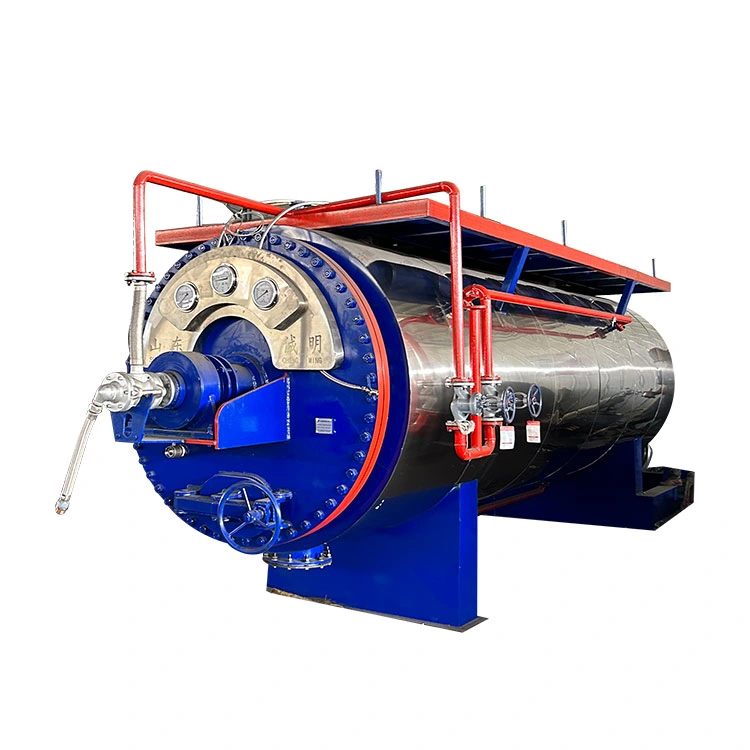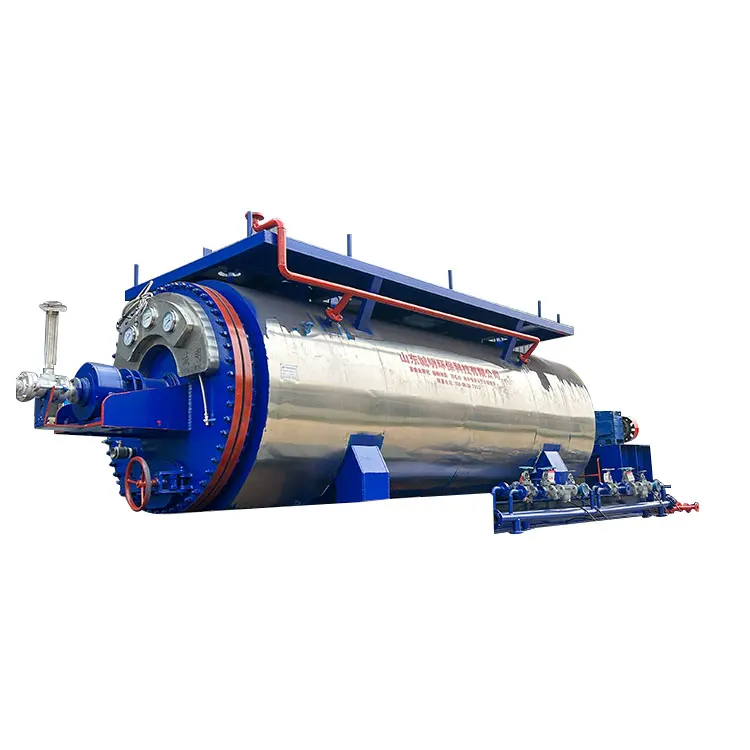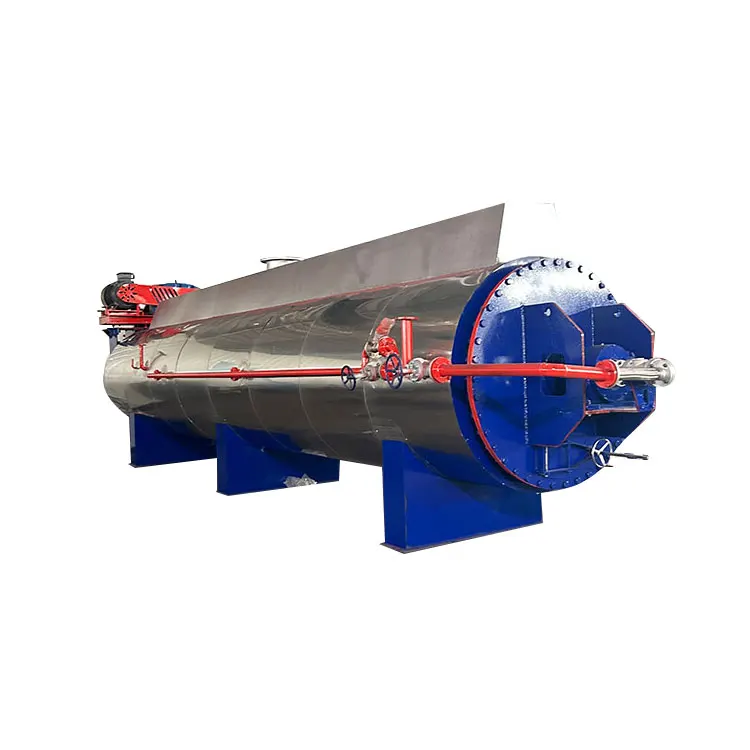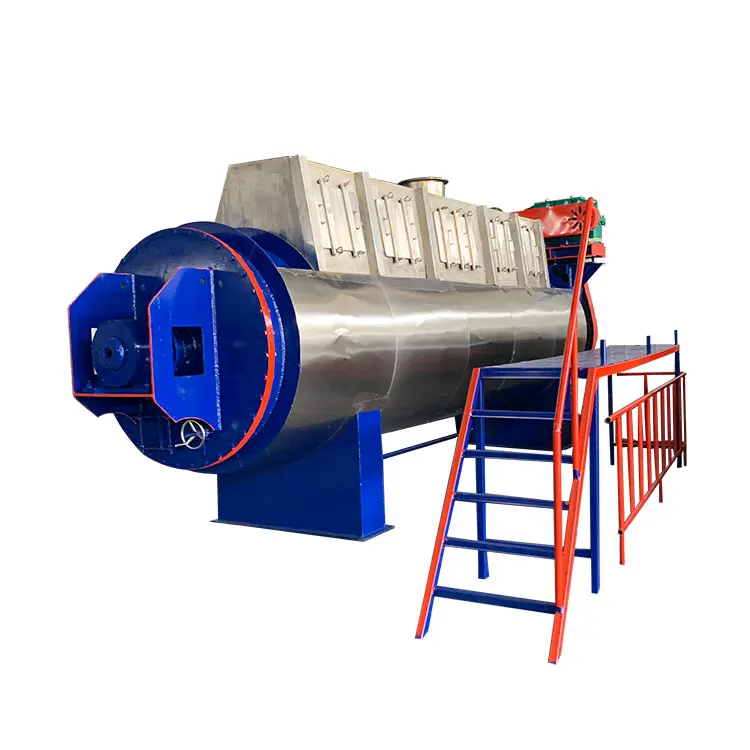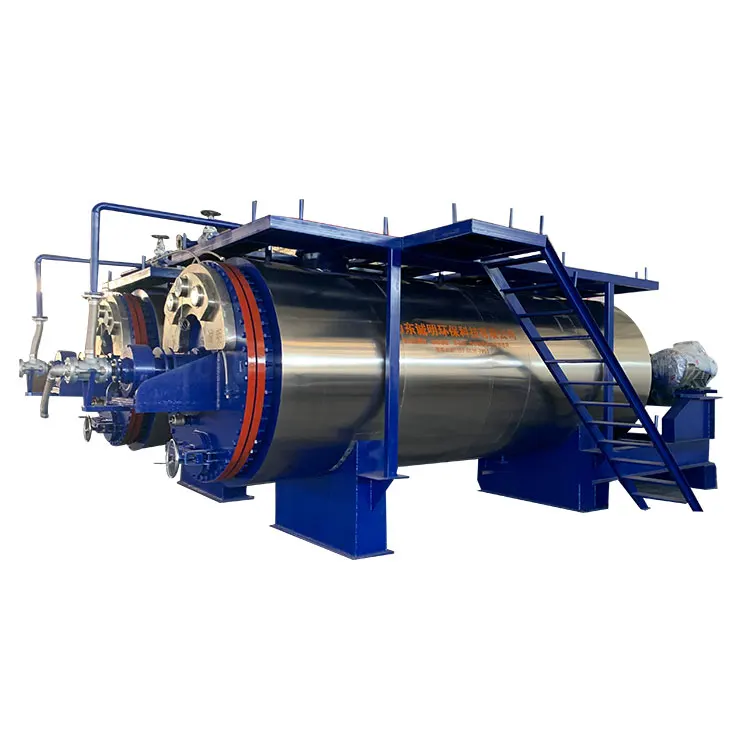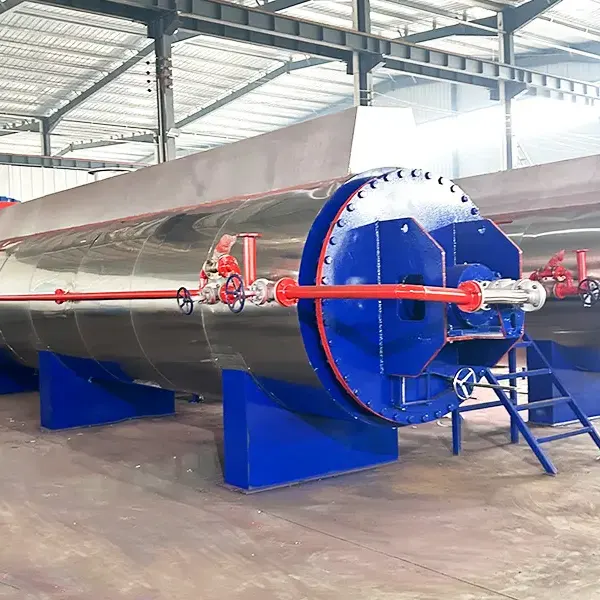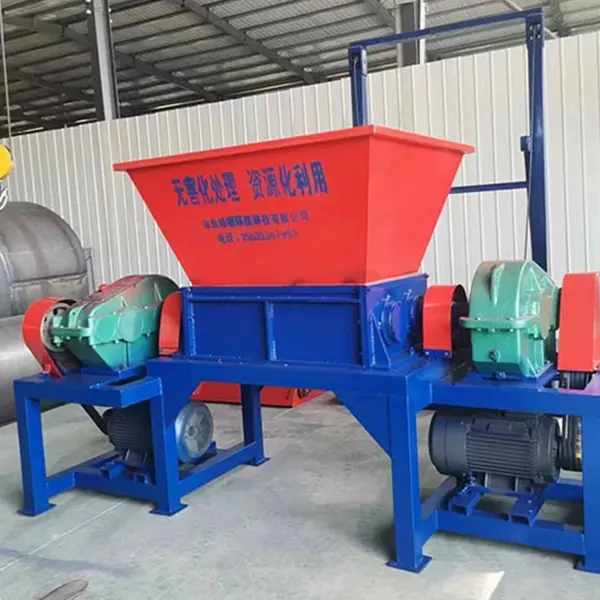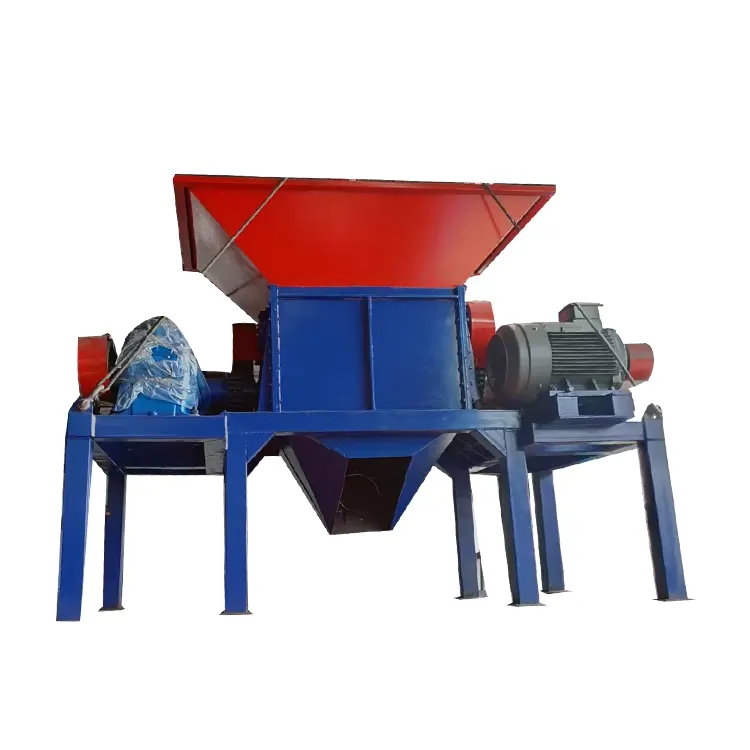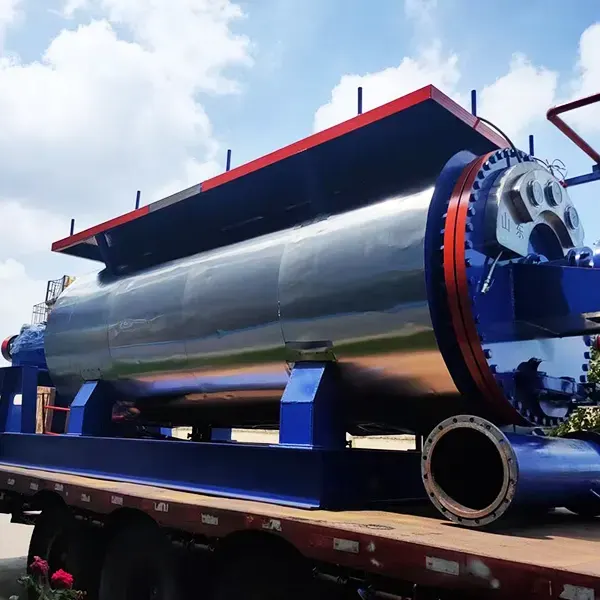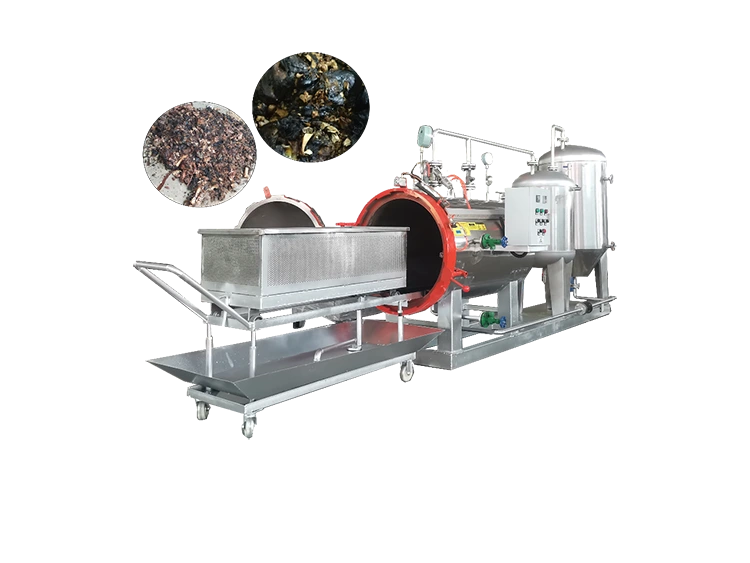
This feather powder processing equipment is used to convert discarded poultry feathers, especially chicken and duck feathers, from poultry slaughter into a high-protein, easily digestible feather powder through high-temperature and high-pressure hydrolysis, drying, and pulverization. The final product of this processing can be used as an animal feed additive and organic fertilizer supplement, realizing waste resource utilization.
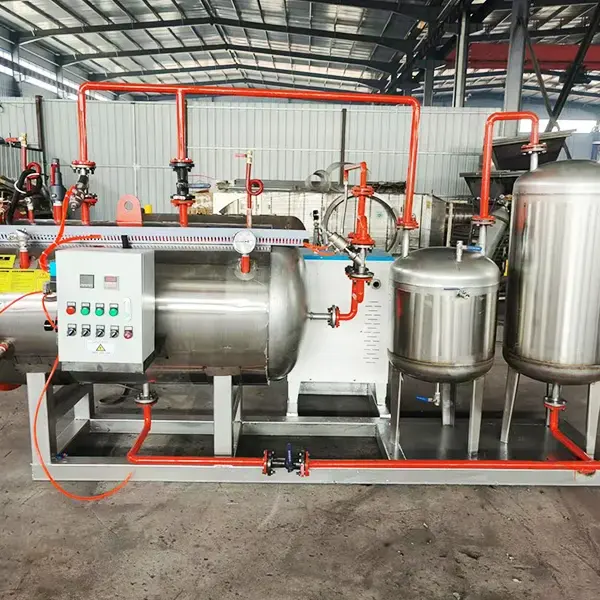
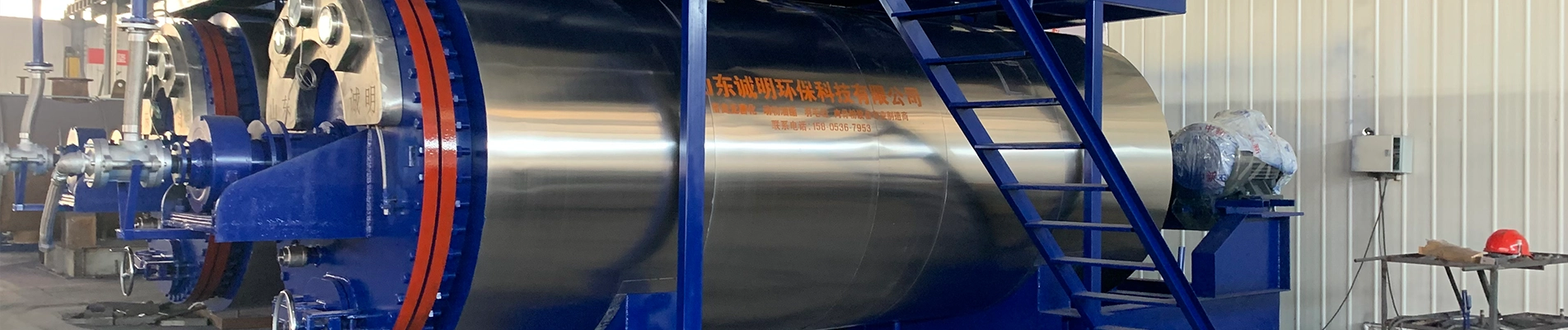
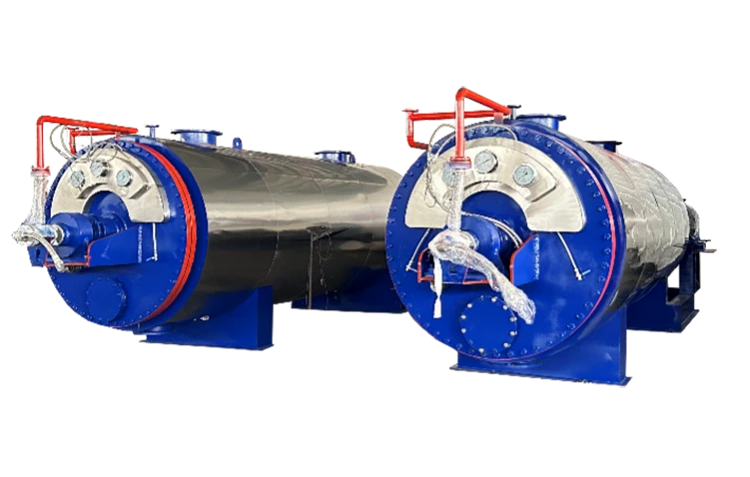
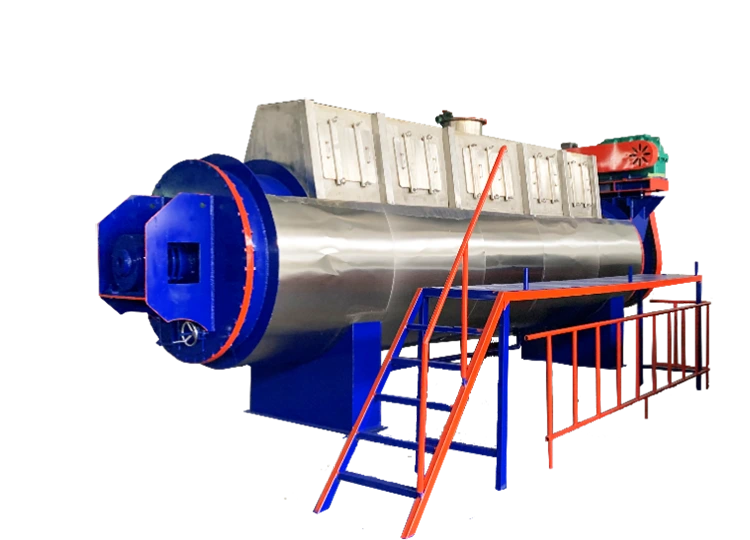
The chicken feather powder equipment consists of a hydrolysis tank (including an automated control system), a feeding device, an exhaust and pressure relief assembly, a drying unit, a crushing unit, and a finished product storage unit. These components work together to form a complete production line. The hydrolysis tank is the core processing unit, and the automated control system precisely controls key parameters such as temperature, pressure, and time.
Pre-Startup Preparation:
1. Check that all equipment components are securely connected and that the hydrolysis tank lid is properly sealed to prevent air and pressure leaks.
2. Check that the automated control system (temperature, pressure, and time display panel) is functioning properly and that sensors, valves, and other components are sensitive.
3. Prepare the raw feathers to be processed, please check that they are free of visible impurities. Any clumps of feathers should be broken up in advance.
Raw Material Feeding:
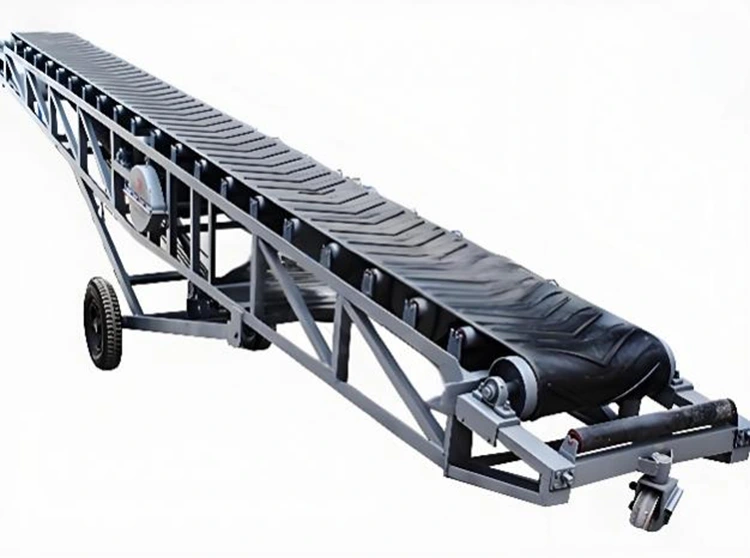
1. Open the feed mechanism and evenly feed the pre-treated feather material into the hydrolysis tank.
2. Close the hydrolysis tank lid, ensuring it is securely closed, and open the sealing latch.
High-temperature, high-pressure hydrolysis:
1. Start the heating process and set the temperature and pressure values through the automated control system.
2. The equipment automatically heats and monitors temperature and pressure changes in real time. When the temperature and pressure reach the set values, the system automatically enters the pressure-maintaining state.
3. During the pressure-maintaining state, it is strictly forbidden to open the hydrolysis tank's sealed lid or adjust key parameters. If a sudden increase or decrease in pressure or abnormal temperature occurs, the equipment will automatically alarm and require immediate shutdown to troubleshoot the problem (e.g., valve blockage, heating pipe failure, etc.).
Venting and Material Transfer:
1. After the pressure holding time expires, press the "Vent" button on the control system and slowly open the vent valve to release the steam from the tank. Stay away from the vent during venting to avoid burns from high-temperature steam.
2. Once the pressure in the tank drops to ambient pressure, open the sealing lid and transfer the hydrolyzed feather material to the drying equipment via a conveyor belt.
Drying and pulverization:
1. Start the drying equipment and set the drying temperature to 80-100°C. This is just for your reference, you should adjust the real temperature according to the material's moisture content. Dry until the material's moisture content is less than 12%, you can check by using the equipment's moisture meter.
2. The dried material is fed into the pulverization equipment, the particle size is set, and the pulverization process is started.
3. The pulverized feather meal passes through a screening device to remove impurities, and qualified products are sent to the finished product storage device.
Shutdown Procedure:
1. After all material processing is complete, shut down the crushing equipment, drying equipment, and hydrolysis tank control system in sequence.
2. Clean any residual material inside the equipment (especially on the inside walls of the hydrolysis tank and crushing equipment) to prevent material from clumping and affecting subsequent use.
3. Turn off the main power to the equipment, check that all valves are closed, and keep records of equipment cleaning.