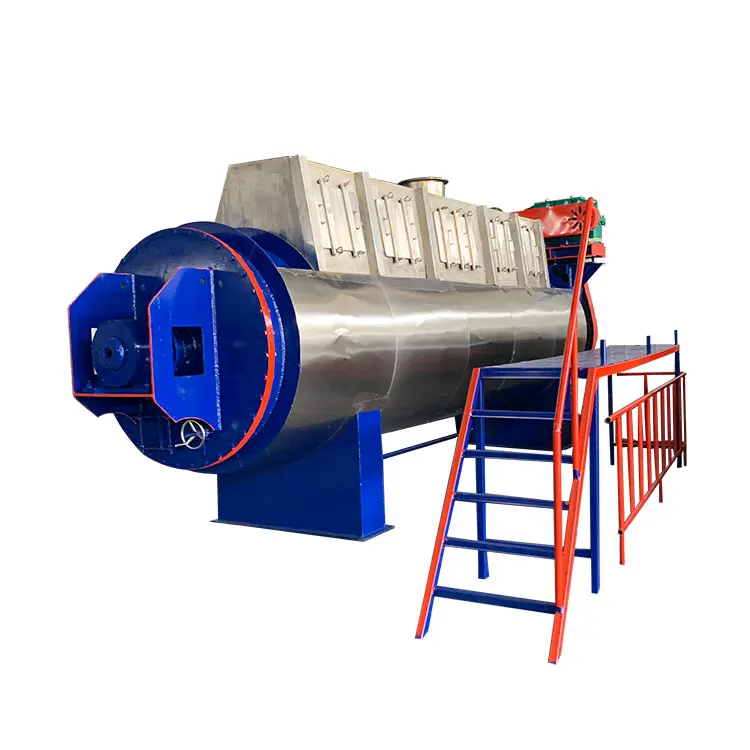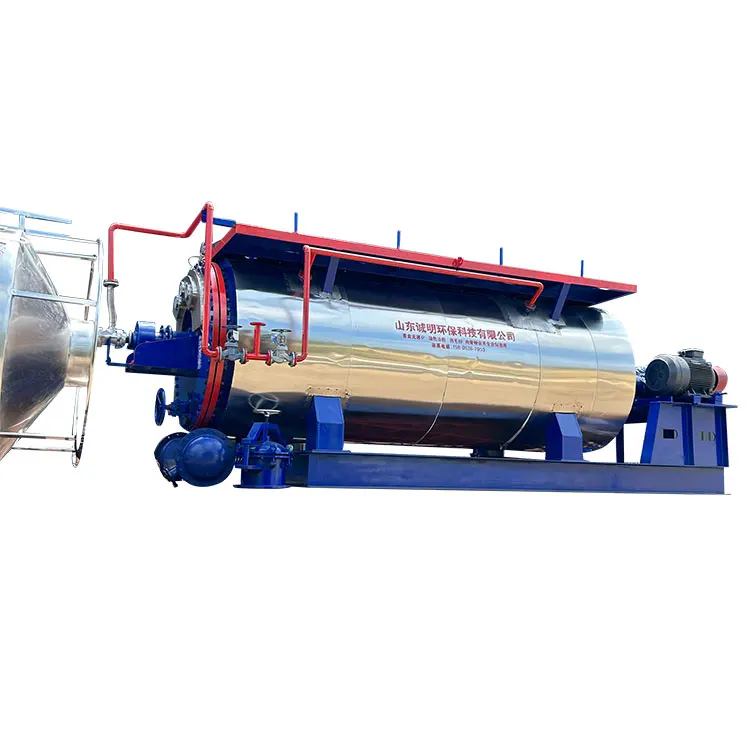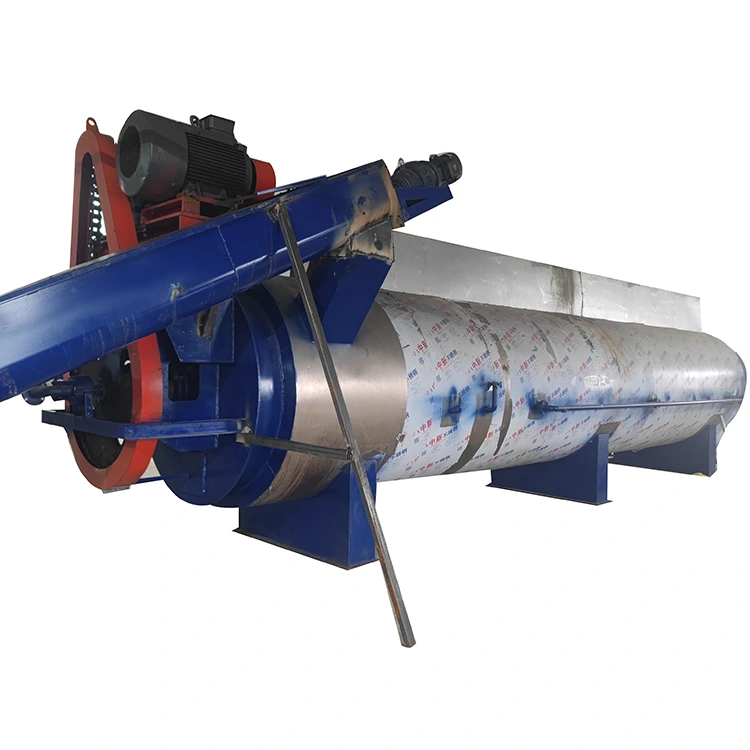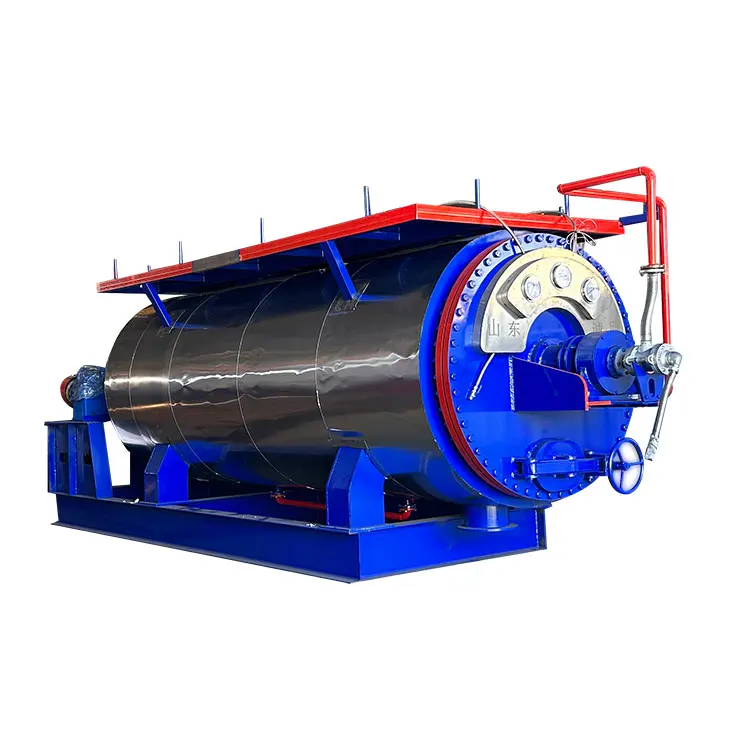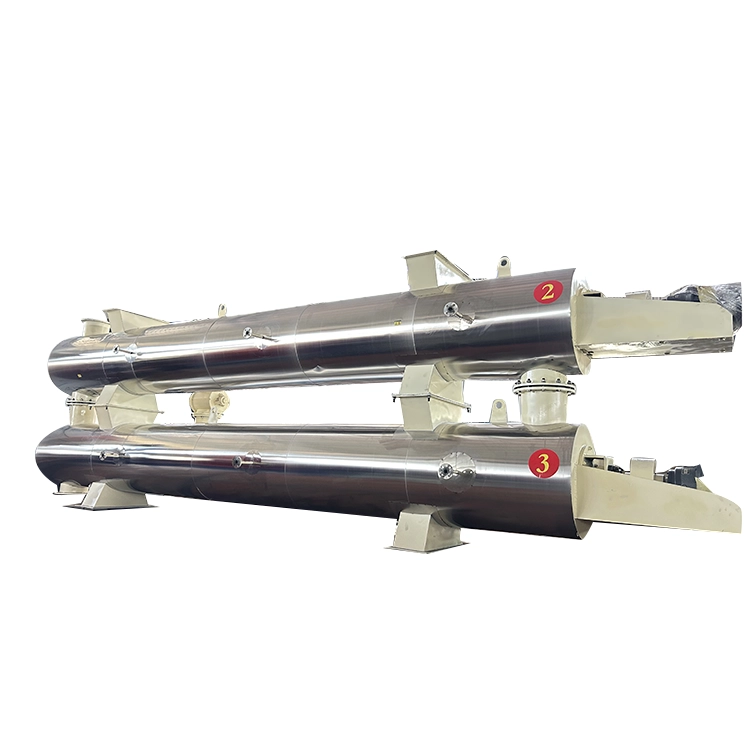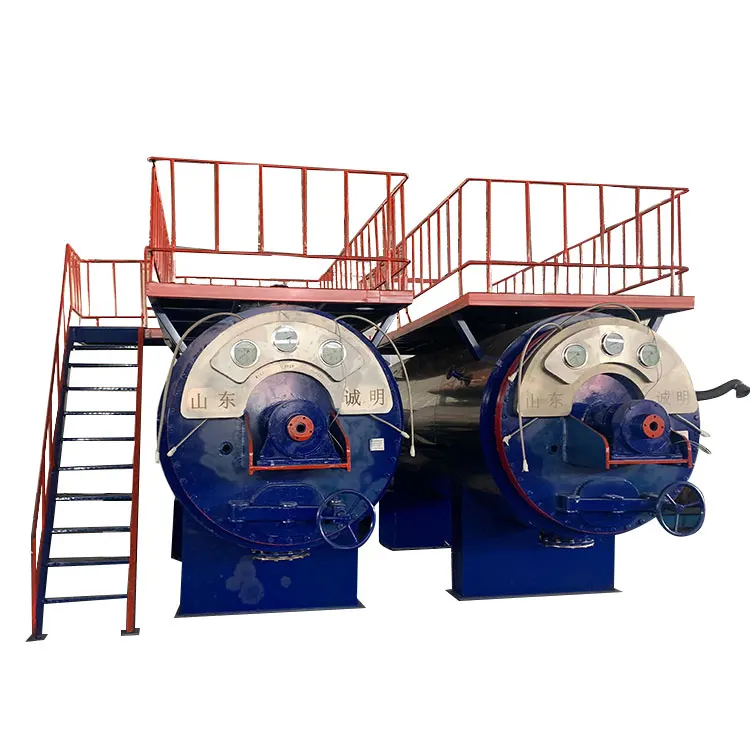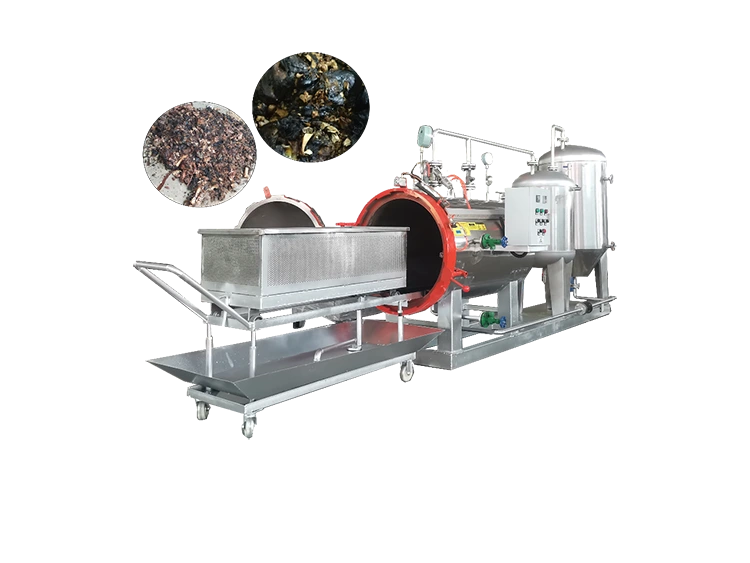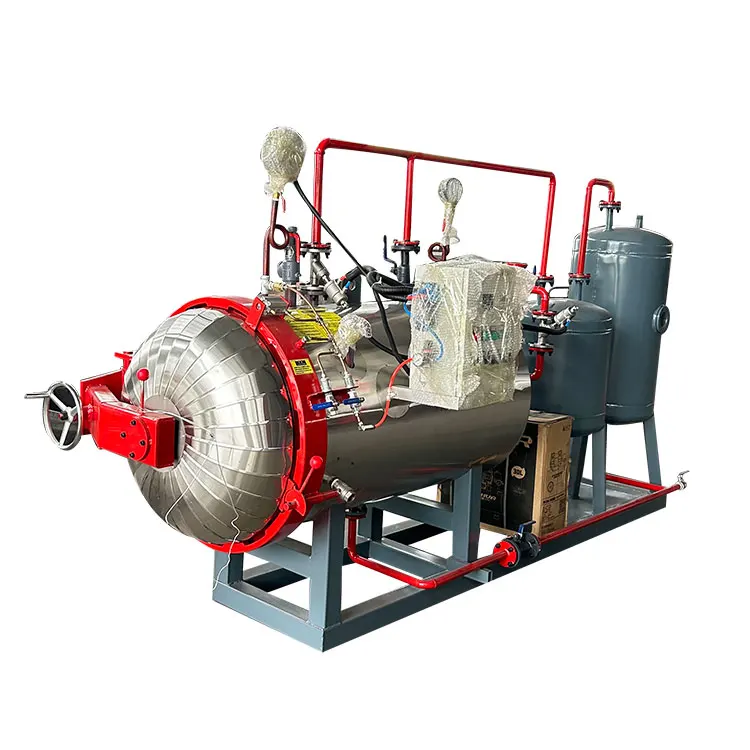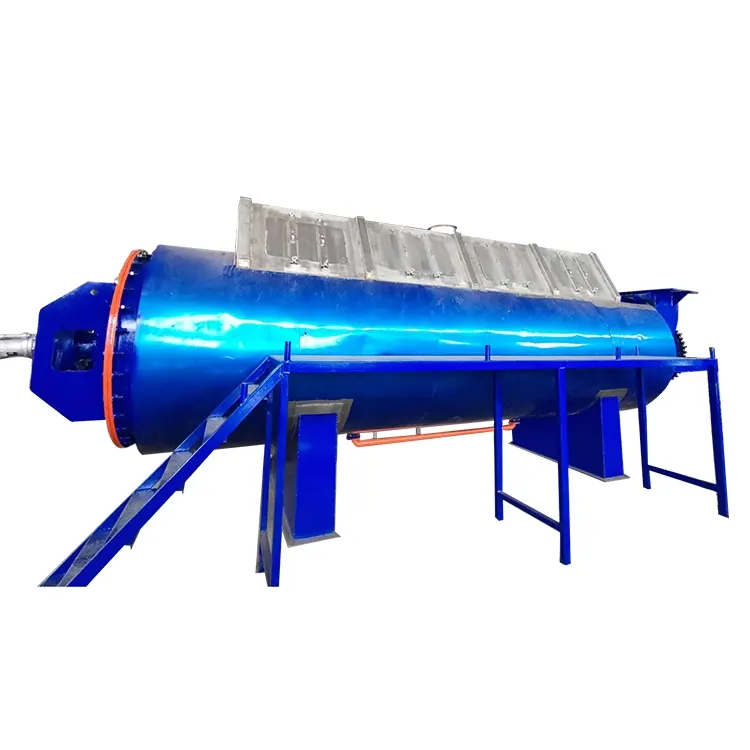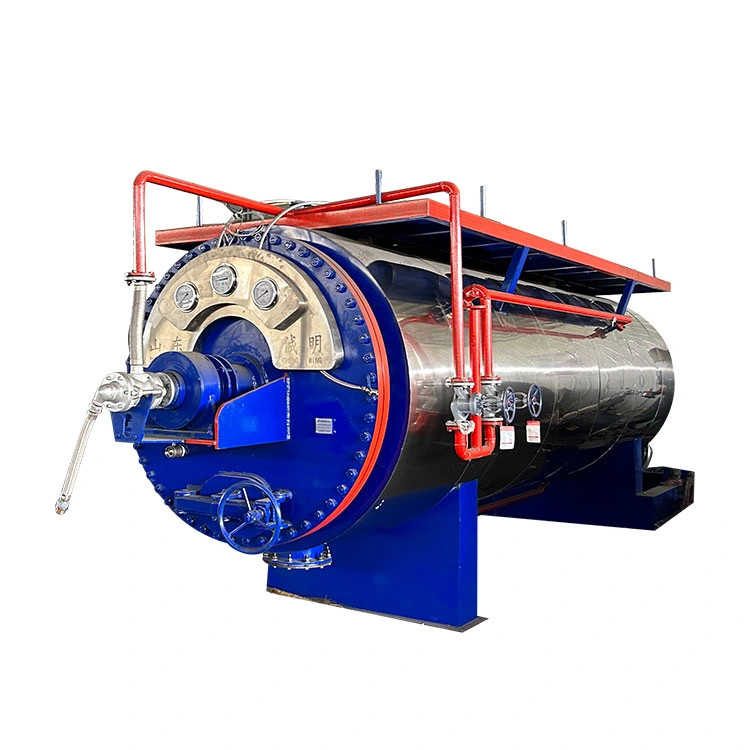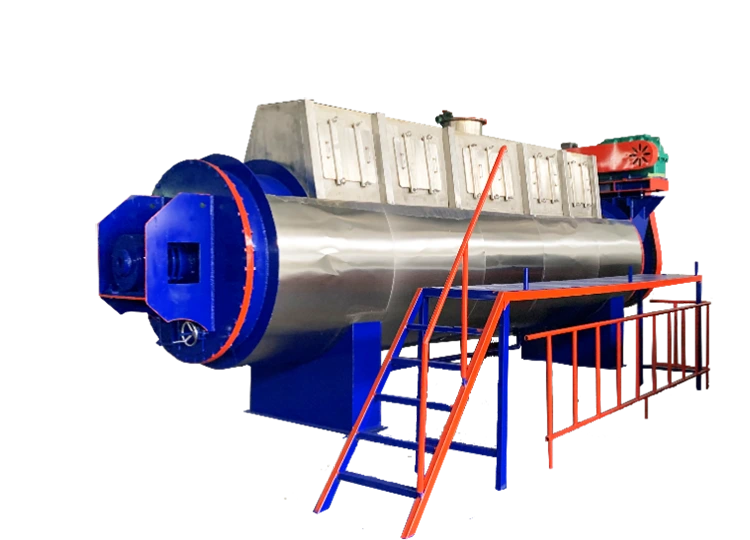

A wet rendering machine is designed to process specific animal by-products under controlled conditions, but using unsuitable materials can reduce efficiency, increase maintenance costs, and affect final product quality.
Wet rendering is widely used for processing animal waste into useful products such as animal fat, meat bone powder, and other recovered materials. However, not all organic materials have the same structure, moisture content, fat level, or processing requirements.
A common mistake in waste treatment operations is assuming that one rendering system can handle every type of animal by-product. In reality, equipment design is usually based on specific material characteristics, including particle size, water content, density, and processing temperature.
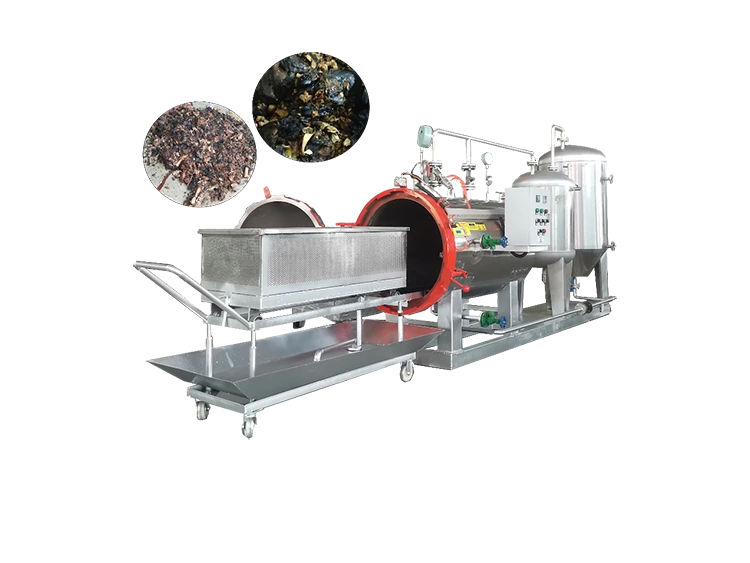
When materials exceed the intended working range, problems may appear in several areas:
| Material Issue | Possible Impact on Equipment |
|---|---|
| Excessive moisture | Longer heating time and higher energy consumption |
| Large bones or hard materials | Increased wear on internal components |
| High fiber content | Difficult mixing and uneven processing |
| Excess fat content | Changes in separation efficiency |
| Foreign materials | Risk of blockage and equipment damage |
Understanding these limitations helps improve equipment operation and prevents unnecessary downtime.
A wet rendering machine is mainly designed for animal by-products that require heat treatment and moisture-assisted processing. Typical materials include:
These materials contain valuable organic components that can be separated and reused after proper treatment.
However, materials such as large amounts of plant waste, high-mineral materials, or mixed waste containing unknown substances may require different processing methods.
Using a wet rendering machine outside its designed application can create operational challenges.
Rendering depends on controlled heating. Materials with unusual moisture levels or poor heat conductivity may slow down the process. The machine may require longer operating cycles, increasing energy use.
Hard or oversized materials can place additional pressure on the mixing system, shafts, and other internal parts. Over time, this may accelerate component wear.
Rendering results depend heavily on consistent processing conditions. If the raw material changes significantly, the quality of recovered fat or protein products may become inconsistent.
Before introducing new materials, operators should evaluate several key factors.
| Evaluation Item | Questions to Consider |
| Material type | Is it an animal by-product suitable for rendering? |
| Moisture level | Does the water content match the machine design? |
| Size and structure | Does the material require pre-crushing? |
| Fat and protein content | Will the separation process remain stable? |
| Processing volume | Can the equipment handle the daily input capacity? |
A proper assessment before operation can prevent many avoidable issues.
Modern animal waste treatment is not only about choosing a machine with a certain capacity. The entire processing system should match the characteristics of the materials being handled.
For example, slaughterhouse waste containing feathers, bones, and soft tissue may require different treatment steps compared with pure fat-rich materials. In some cases, pre-processing equipment such as crushers, separators, or conveyors may be necessary to create suitable feeding conditions.
Shandong Chengming Environmental Technology Co., Ltd. focuses on animal harmless treatment equipment development and provides solutions for different livestock and poultry waste treatment requirements. Established in 2014 in Zhucheng, Shandong Province, the company has developed experience in equipment design, customization, installation, and commissioning for various waste processing applications.
Operators should pay attention to changes during daily operation. Some warning signs include:
These problems do not always mean equipment failure. In many cases, the material characteristics may not match the original equipment design.
Different animal by-products require different treatment strategies. A successful rendering process depends on balancing material characteristics, equipment structure, and operating conditions.
| Waste Type | Common Treatment Consideration |
| Poultry feathers | May require specific crushing and drying processes |
| Bones | Requires equipment capable of handling hard materials |
| Soft animal tissue | Usually easier to process through wet rendering |
| Mixed slaughterhouse waste | Requires careful system planning |
The goal is not simply to process more materials, but to process suitable materials efficiently and safely.
As environmental requirements become stricter, rendering systems are becoming more specialized. Equipment design is moving toward better automation, improved energy efficiency, and more precise control of different waste materials.
Facilities that understand their raw materials and select suitable processing systems can achieve more stable operation while reducing unnecessary maintenance problems.
A wet rendering machine performs best when the processed materials match its original design requirements. Using unsuitable materials may lead to higher energy consumption, equipment wear, and inconsistent results. Proper material evaluation and system planning are essential for reliable animal waste treatment. With its focus on animal harmless treatment solutions, Shandong Chengming Environmental Technology Co., Ltd. continues to develop equipment such as Wet Rendering Machine systems designed for practical waste processing needs.