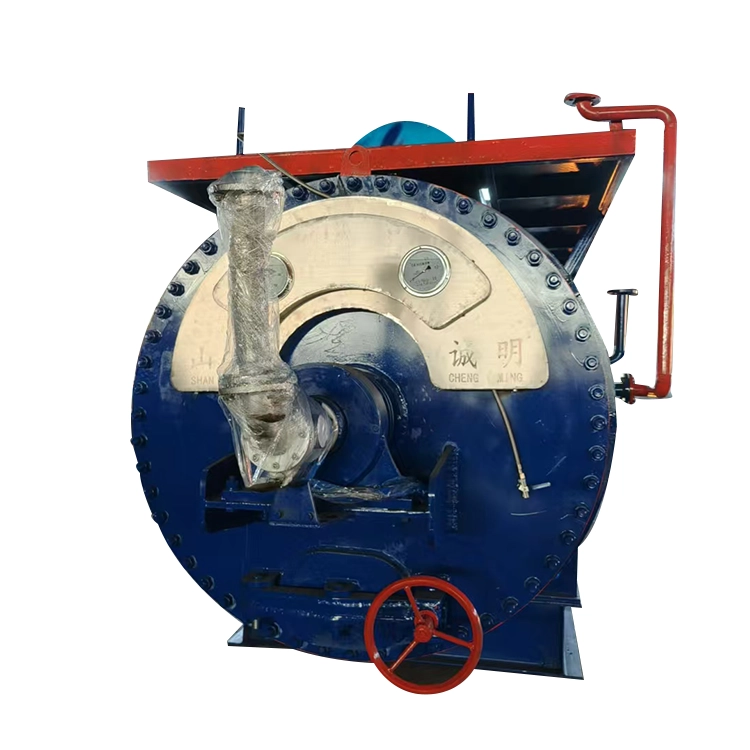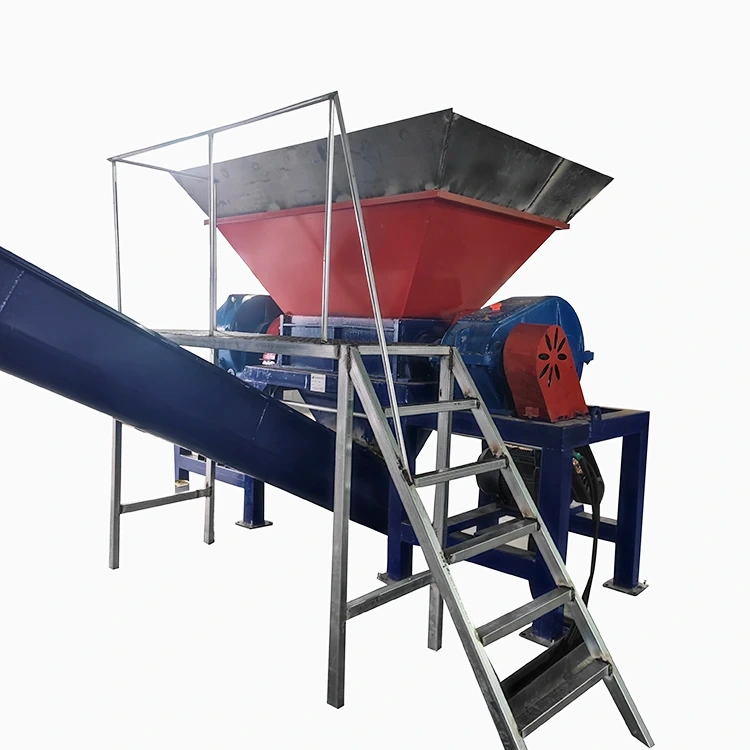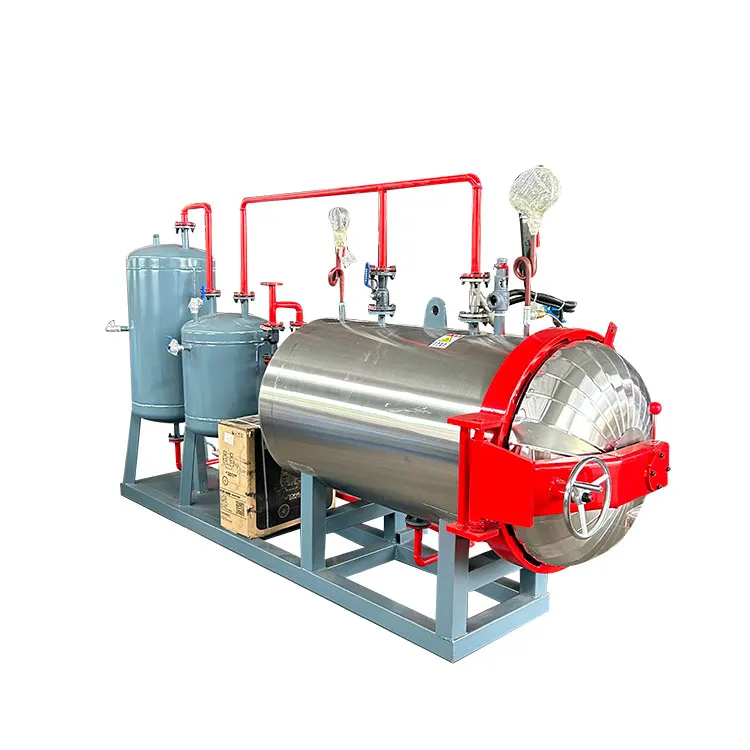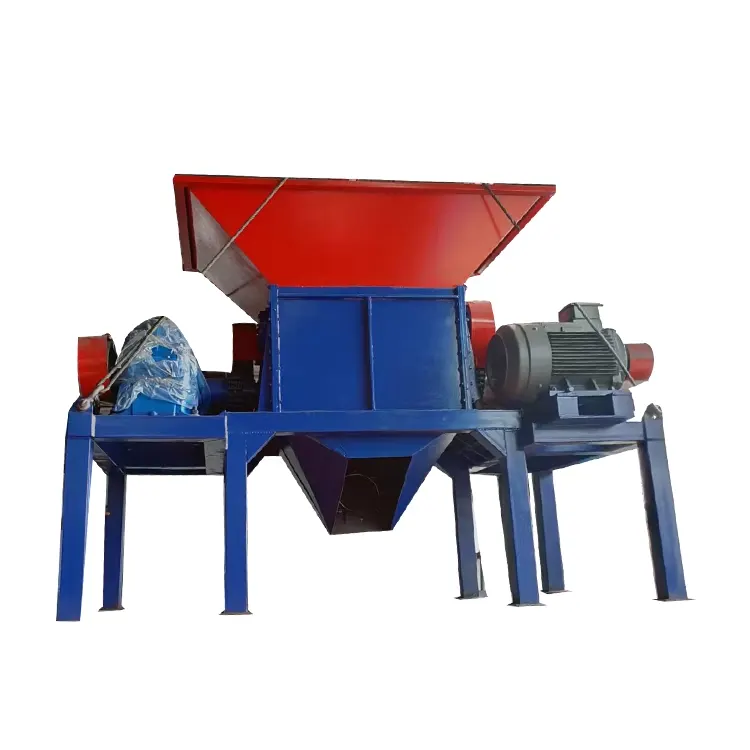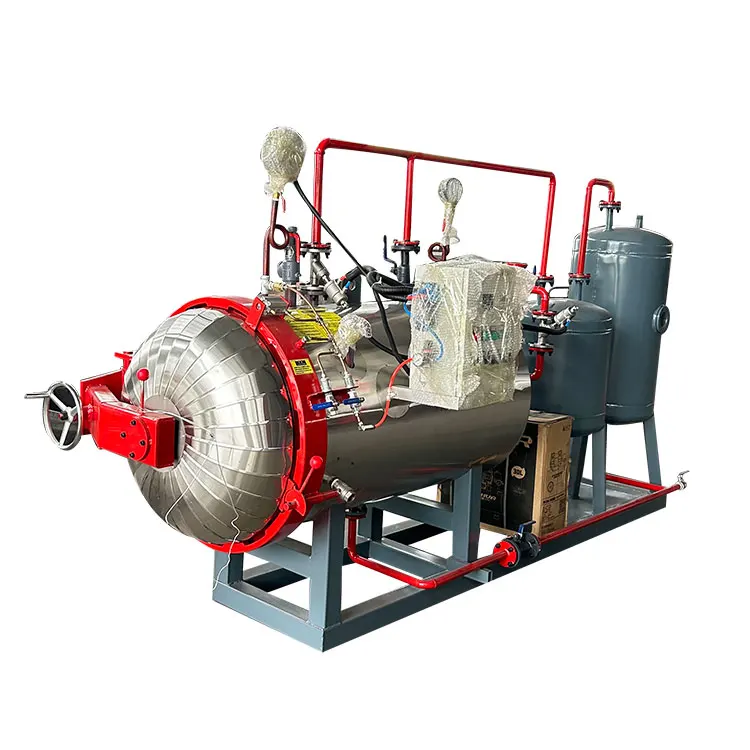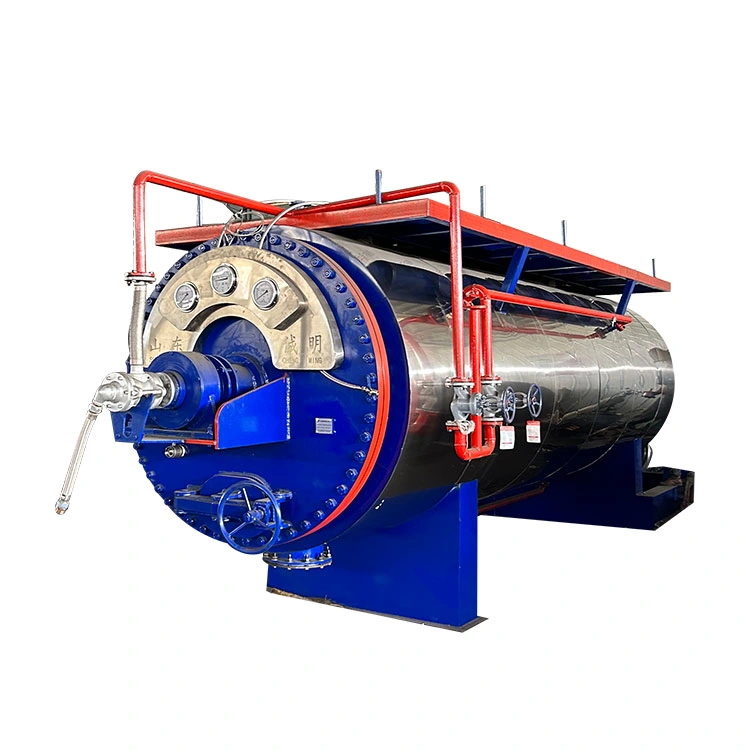

Wet rendering machines play a critical role in converting animal by-products into valuable resources such as protein meals and fats. This comprehensive guide explores how these machines work, their advantages over dry rendering, key components, selection criteria, maintenance strategies, and real-world applications. Whether you are in the meat processing, environmental protection, or agricultural sector, this article will help you understand how to maximize efficiency, reduce waste, and improve profitability using advanced wet rendering technology.

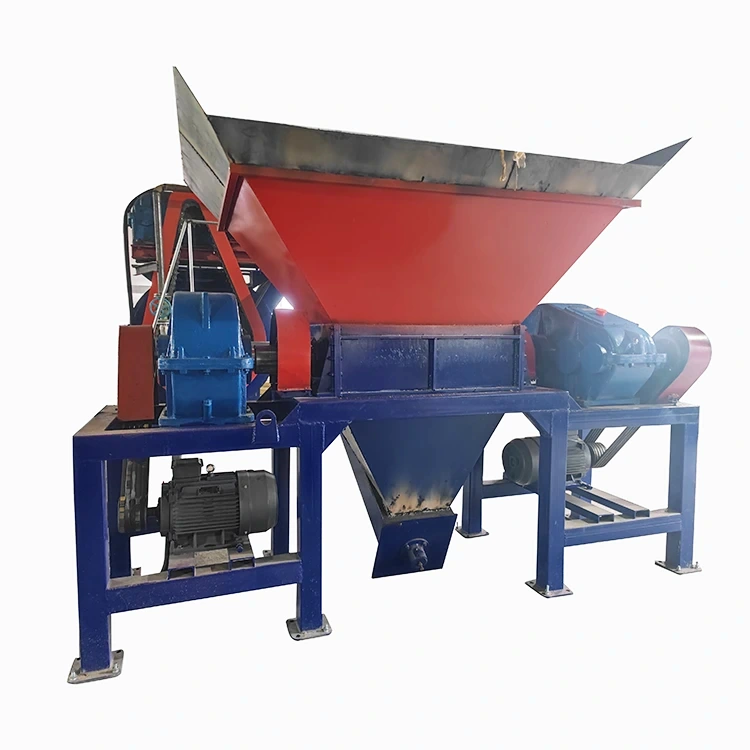
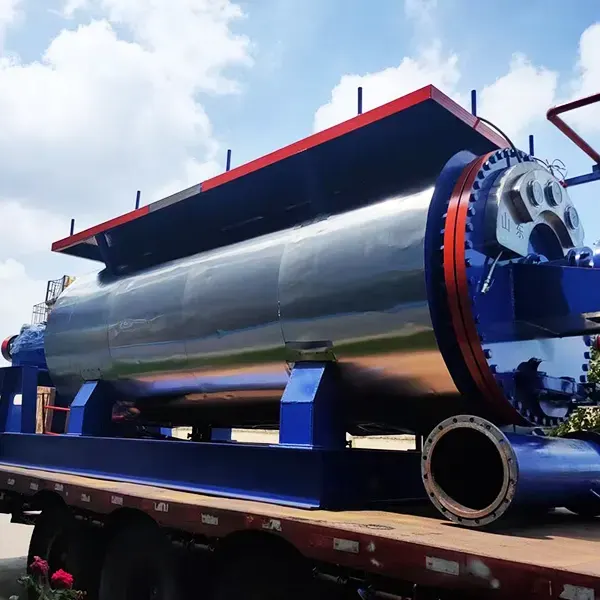
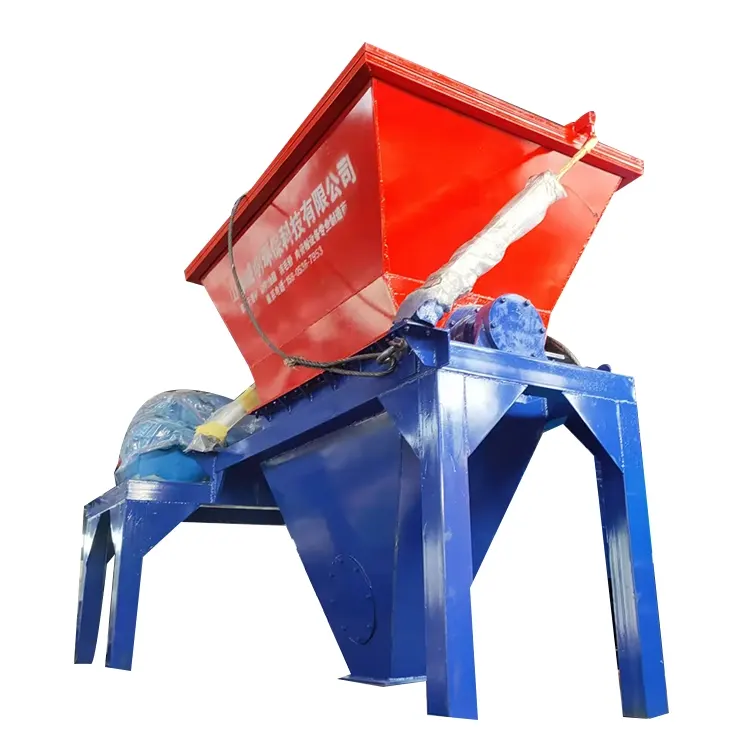
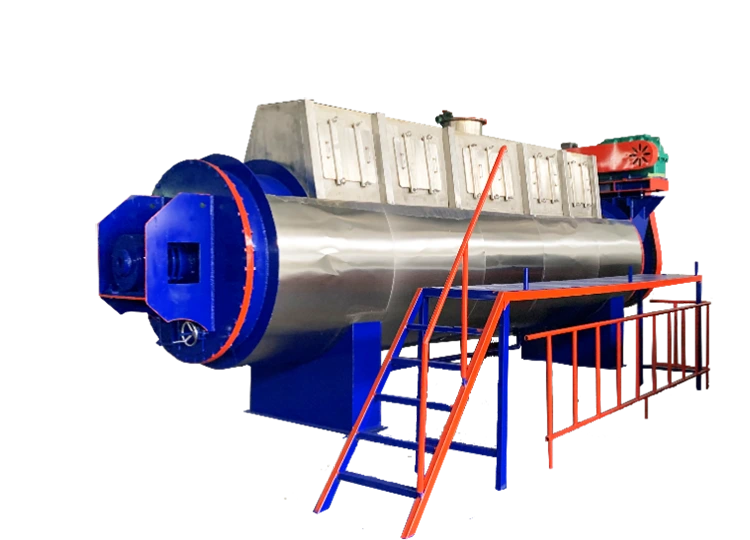
A wet rendering machine is specialized industrial equipment used to process animal by-products through a combination of heat, moisture, and mechanical separation. Unlike dry rendering systems, which rely primarily on high temperatures, wet rendering utilizes steam or water to gently separate fat, protein, and moisture components.
This process results in higher-quality outputs, improved energy efficiency, and reduced environmental impact. Companies such as Shandong Chengming Environmental Protection Technology Co., Ltd have developed advanced systems that integrate automation and sustainability into modern rendering operations.
With increasing environmental regulations and the need for sustainable waste management, industries are turning to wet rendering machines for several reasons:
In today’s circular economy, waste is no longer just waste—it is a resource. Wet rendering technology enables industries to recover value while minimizing ecological impact.
The wet rendering process involves several stages:
The integration of advanced automation by manufacturers like Shandong Chengming Environmental Protection Technology Co., Ltd ensures precise control over temperature, pressure, and processing time.
| Component | Function |
|---|---|
| Cooker | Heats raw materials using steam |
| Separator | Separates fat, water, and solids |
| Press Machine | Extracts remaining fat from solids |
| Dryer | Removes moisture from protein meal |
| Control System | Automates and monitors the process |
Wet rendering machines offer several advantages:
These benefits make wet rendering the preferred choice for environmentally conscious operations.
Wet rendering machines are widely used in:
Solutions from Shandong Chengming Environmental Protection Technology Co., Ltd are particularly popular in large-scale facilities due to their reliability and efficiency.
Selecting the right wet rendering machine requires careful consideration:
Working with experienced manufacturers like Shandong Chengming Environmental Protection Technology Co., Ltd ensures you receive customized solutions tailored to your needs.
Proper maintenance ensures long-term performance:
Preventive maintenance reduces downtime and extends equipment lifespan.
| Method | Temperature | Product Quality | Environmental Impact |
|---|---|---|---|
| Wet Rendering | Moderate | High | Low |
| Dry Rendering | High | Medium | Higher emissions |
| Composting | Low | Low-value output | Low |
Q1: What types of materials can be processed?
A: Animal by-products such as bones, fat, offal, and poultry waste.
Q2: Is wet rendering environmentally friendly?
A: Yes, it produces fewer emissions and allows better waste recovery.
Q3: How long does the process take?
A: Typically 2–4 hours depending on capacity and material type.
Q4: What is the output of a wet rendering machine?
A: Protein meal, fat (tallow), and water for further treatment.
Q5: Can the system be automated?
A: Yes, modern machines from Shandong Chengming Environmental Protection Technology Co., Ltd feature advanced automation systems.
Wet rendering machines are essential for modern waste management and resource recovery. By transforming animal by-products into valuable materials, they support sustainability, improve efficiency, and enhance profitability.
If you are looking to upgrade your processing capabilities, Shandong Chengming Environmental Protection Technology Co., Ltd offers cutting-edge solutions designed for performance, durability, and environmental compliance.
Ready to optimize your operations and turn waste into profit? Contact us today to learn how our advanced wet rendering machines can meet your specific needs and drive your business forward.