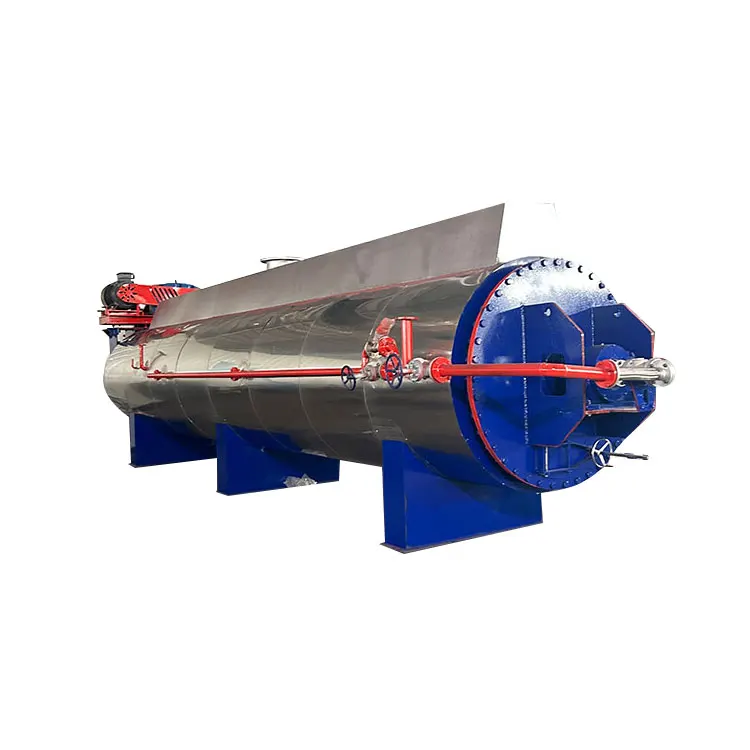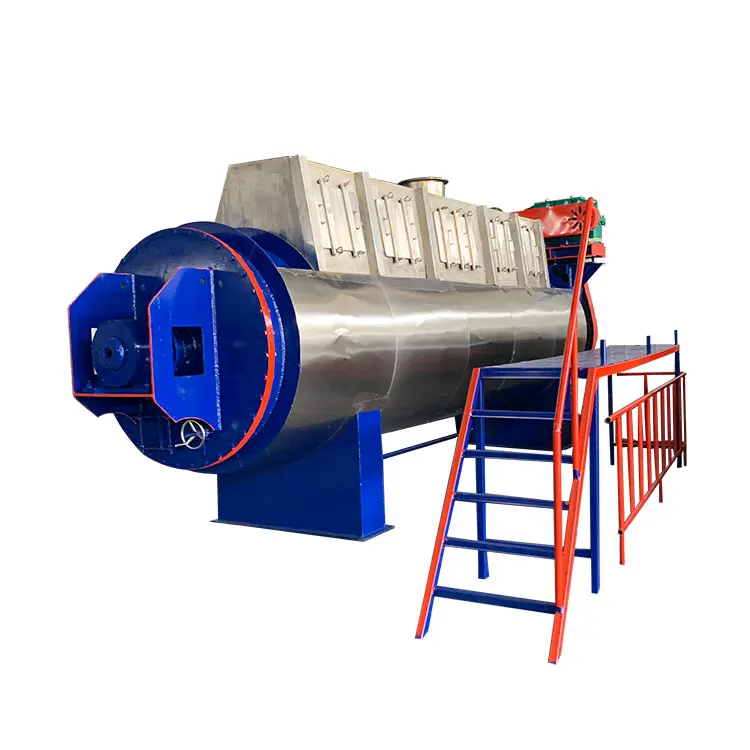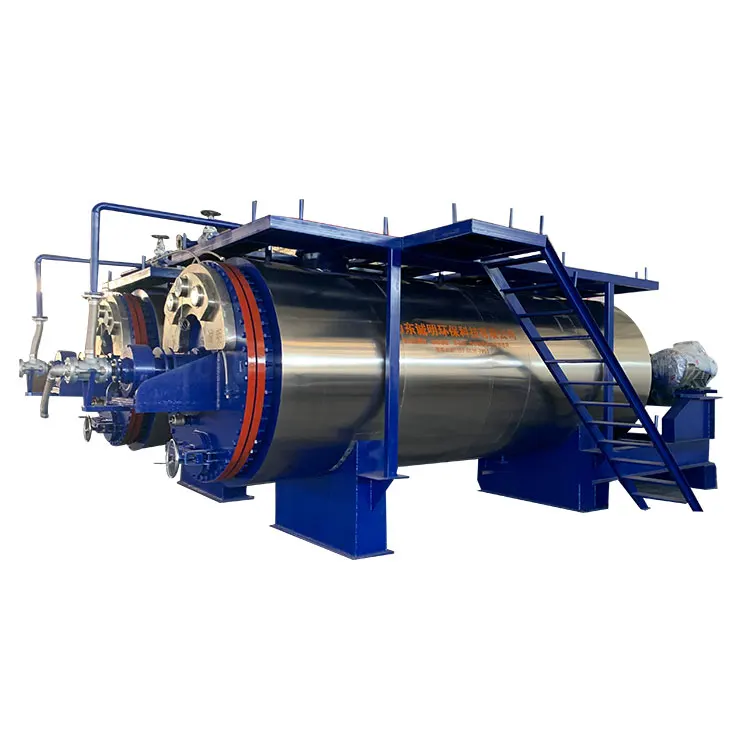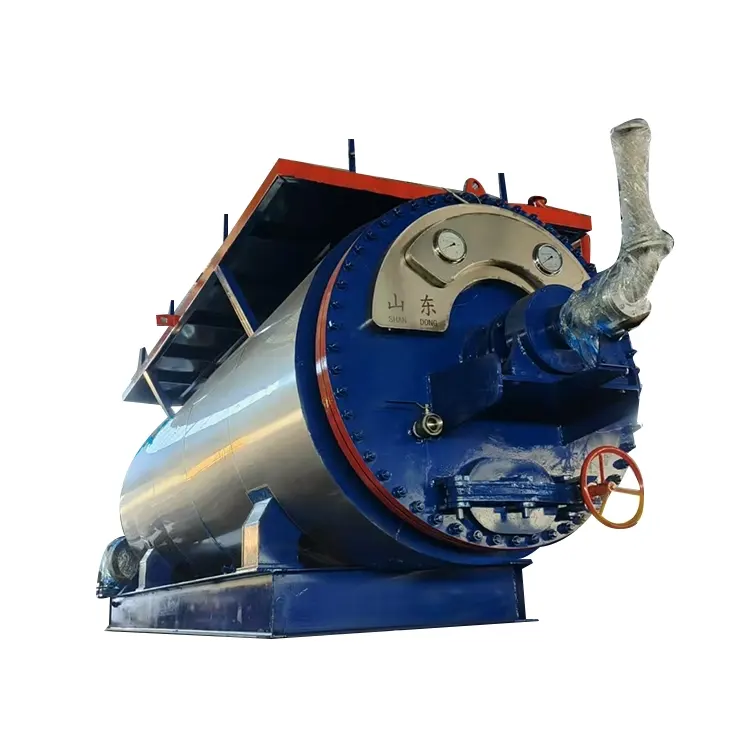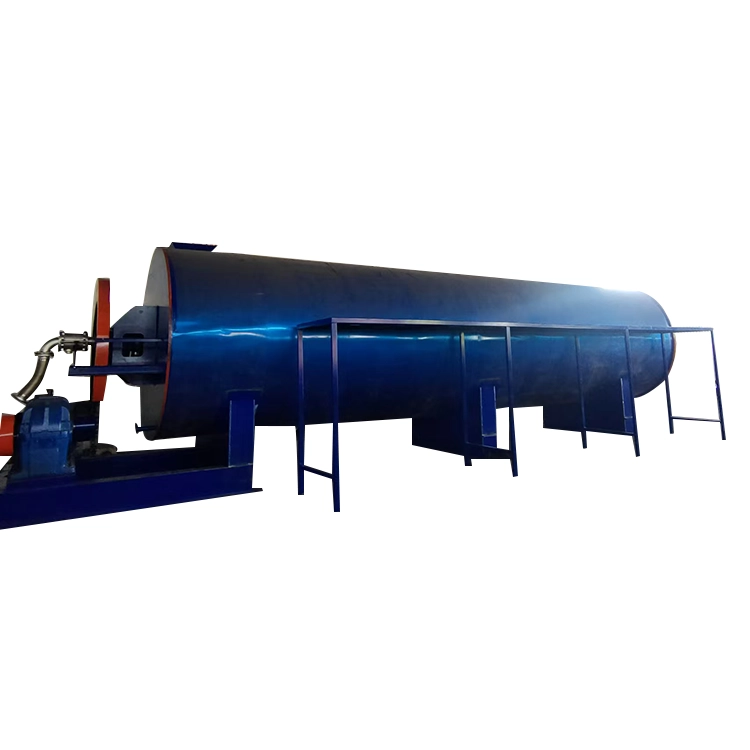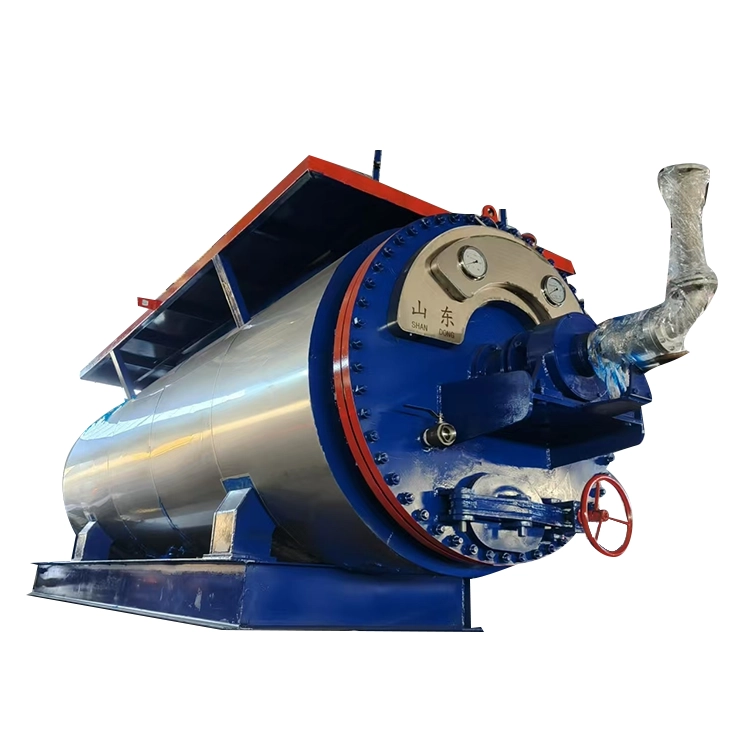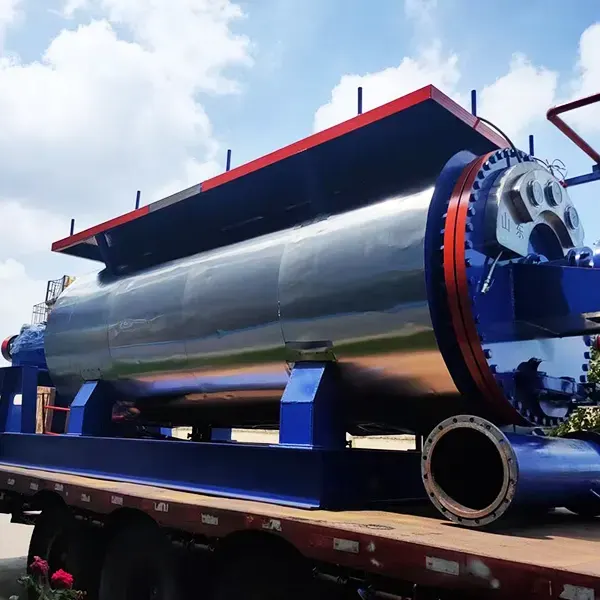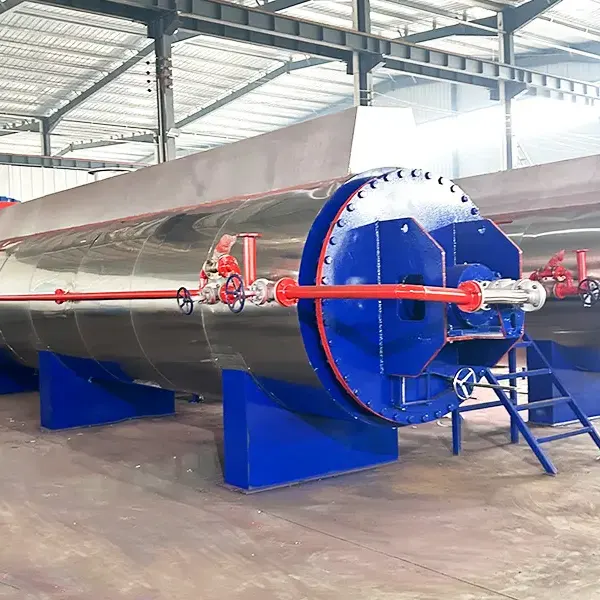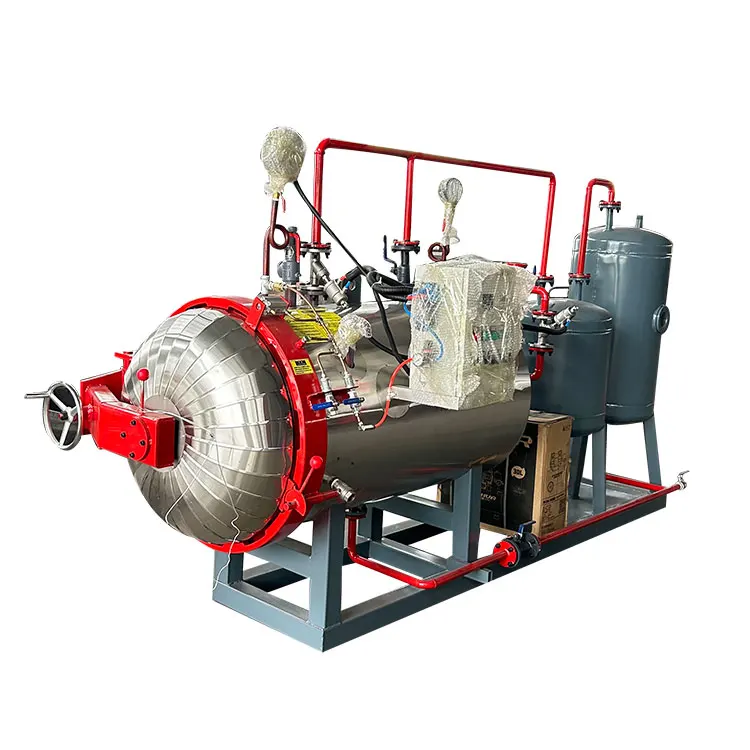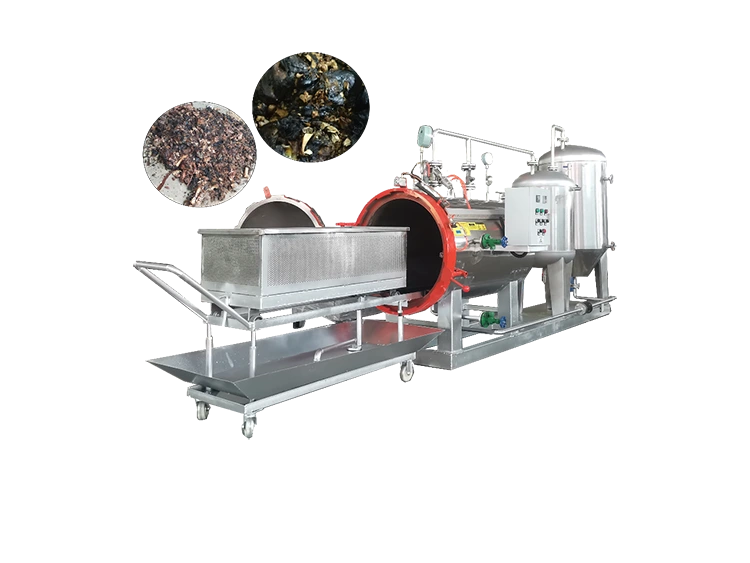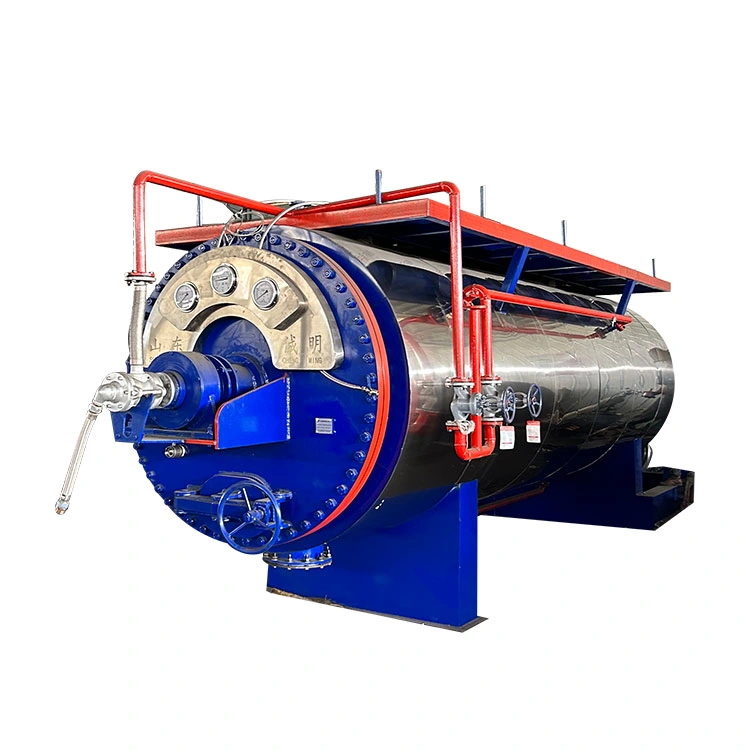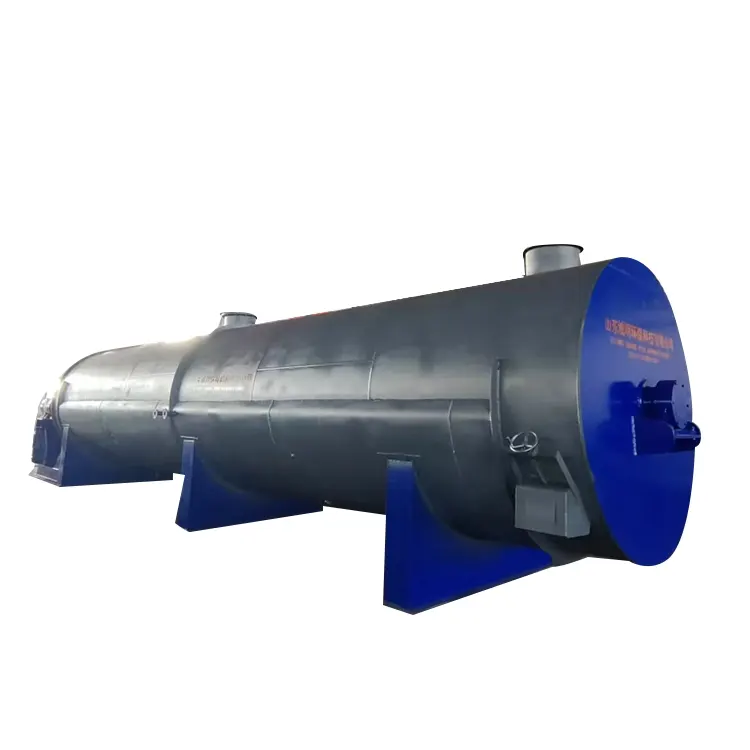
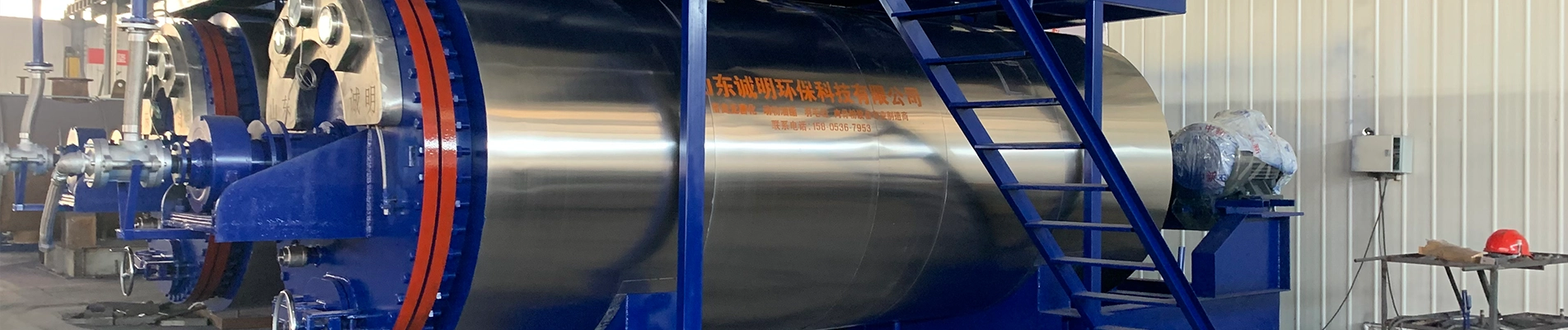


The Animal Fat Refining Tank produces animal oil at lower temperatures and in shorter times, resulting in higher-quality oil. Animal oil is extracted from animal adipose tissue. Compared to typical vegetable oils, it contains more saturated fatty acids and cholesterol, and less linoleic acid. Animal oil also promotes the absorption of fat-soluble vitamins such as A, D, E, and K.
|
Parameter Category |
Small |
Medium |
Large |
|
Processing Capacity |
0.3-1 ton/hour |
2-5 tons/hour |
6-12 tons/hour |
|
Power |
5.5-11 kW |
15-30kW |
45-75kW |
|
Design Temperature |
100-160°C |
100-160°C |
100-160°C |
|
Material |
Carbon steel |
Carbon steel |
Carbon steel |
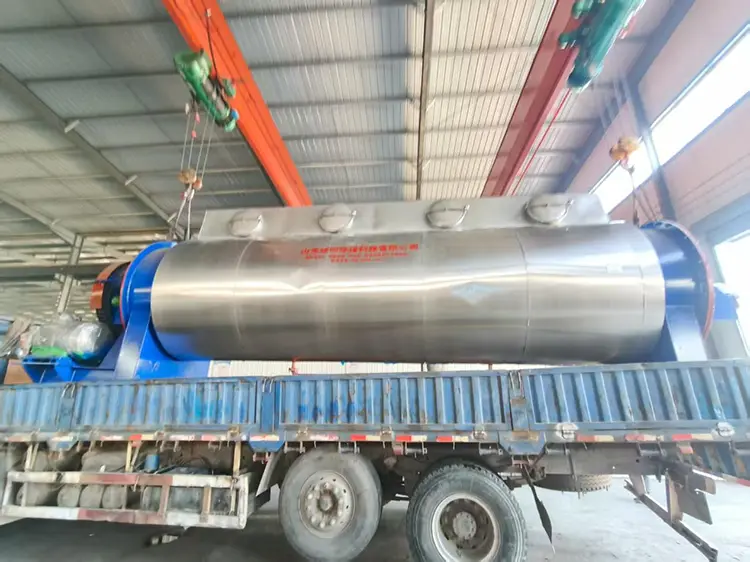
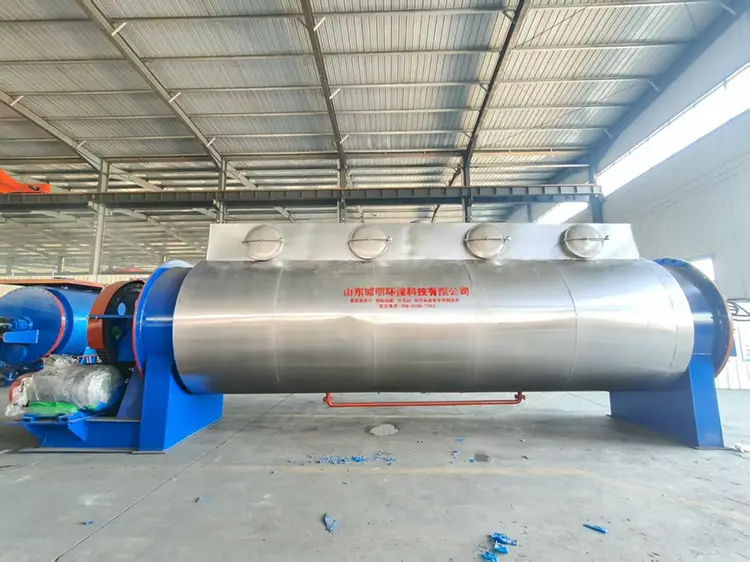
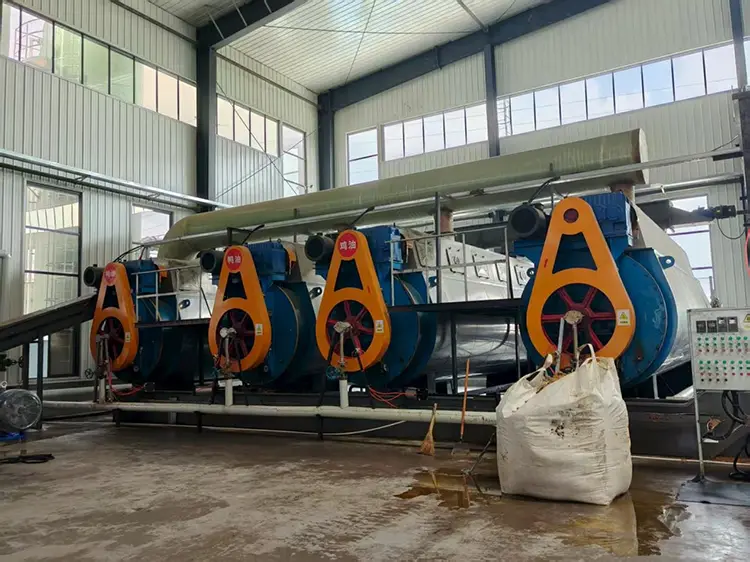
Animal Fat Refining Tank is a device that performs the refining process, which is used for processing animal fats and oils. It is considered to be a more complete processing method from a hygienic point of view.
Unpacking and Crushing Section
After unpacking, the raw materials are conveyed by a conveyor to a crusher for crushing. The crushed particles are 3-5mm in diameter.
Preheating and Conveying Section
In the preheating pot, the material reaches a solid-liquid mixed state. The preheating pot serves as the material balance for the entire production line.
Negative Pressure Refining Section
This process utilizes a horizontal vacuum oil boiler, which rapidly separates the oil, water, and residue from the animal oil raw material under vacuum conditions.
Vacuum Dehydration Section
Water molecules and odor-causing micromolecules in the raw materials are rapidly separated from the raw oil and fat under vacuum conditions. The wastewater flows into the tube condenser, where it is condensed into distilled water under cold water circulation and collected in a separatory tank.
Oil Residue Separation Section
This process utilizes a chain-type oil residue separator to separate and drain the oil residue, effectively separating the oil from the surface of the oil residue. The separated oil residue is then transported to the oil press for pressing.
Pressing Section
The separated oil residue is pre-pressed in a horizontal screw press. The pre-pressed cake is then conveyed to a secondary screw press for further pressing. The pressed oil cake is then sent to the meat powder workshop.
Crude Oil Filtration
The crude oil is pumped through a residue pump into a vertical vane filter, where it is filtered to reduce impurity content to less than 0.2%. The separated residue is compressed and vibrated, then conveyed to the oil press via a scraper for pressing.
Address
Shunwang Avenue, Zhucheng City, Shandong Province, China
Tel