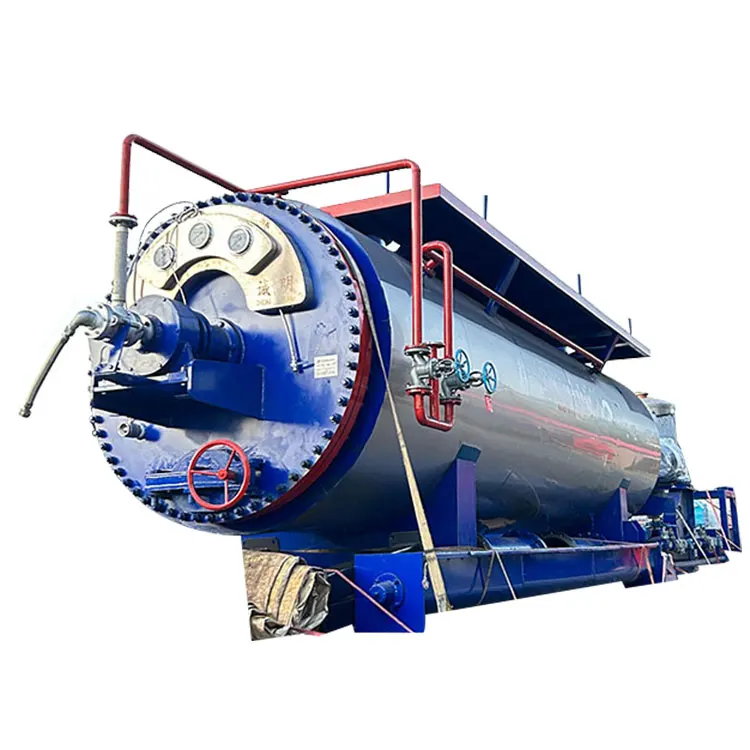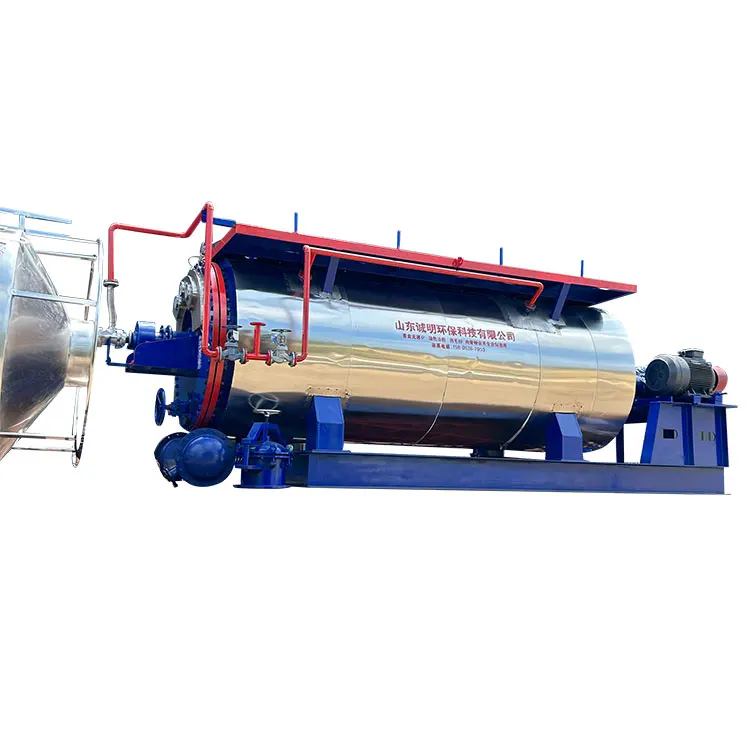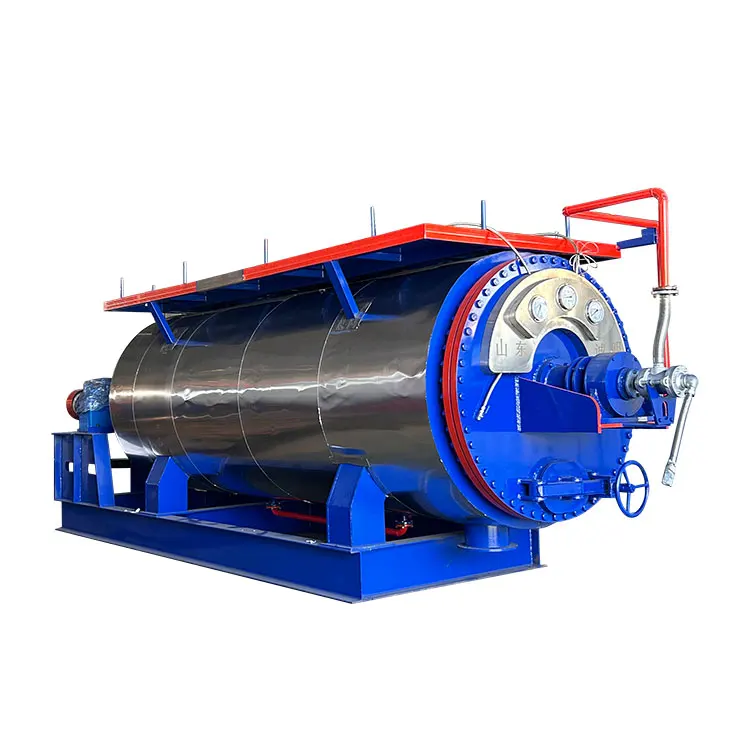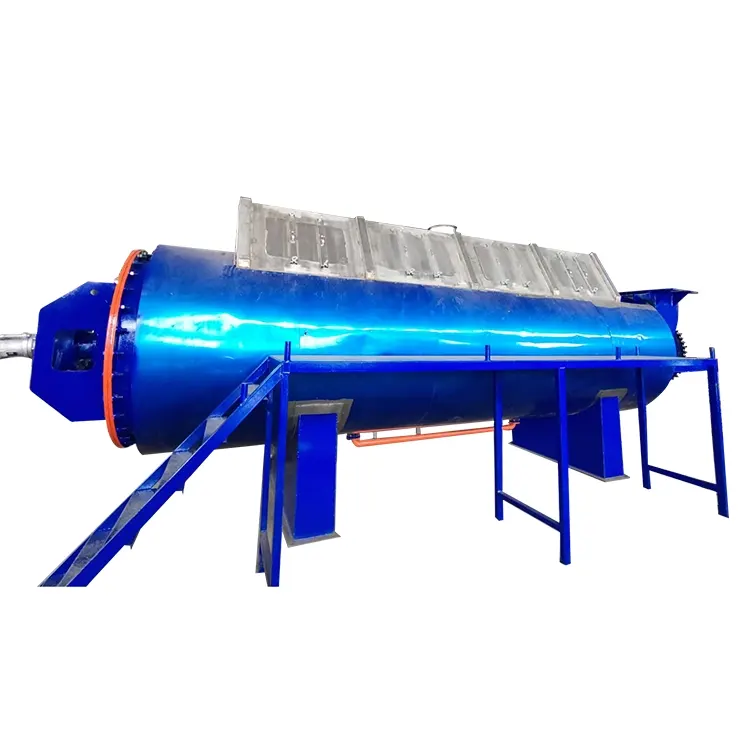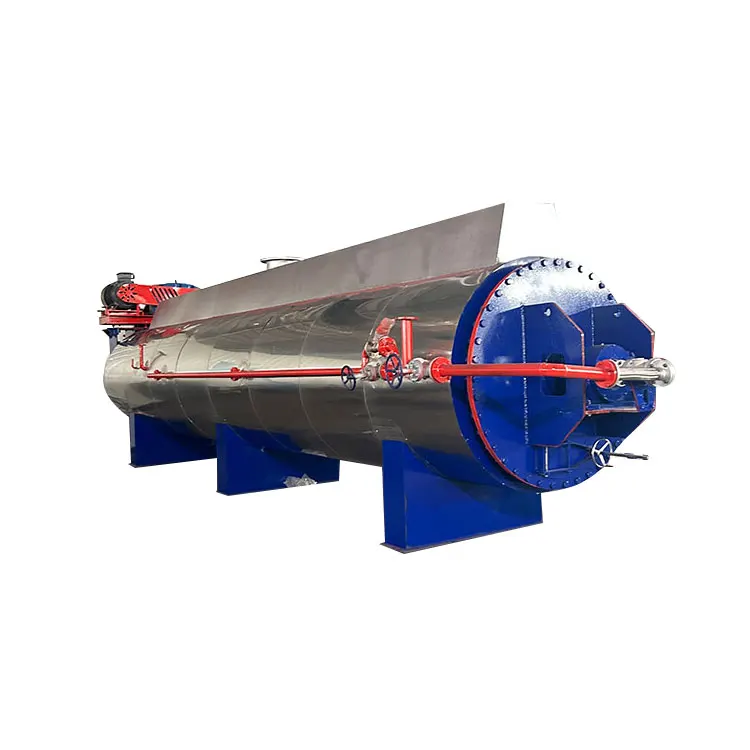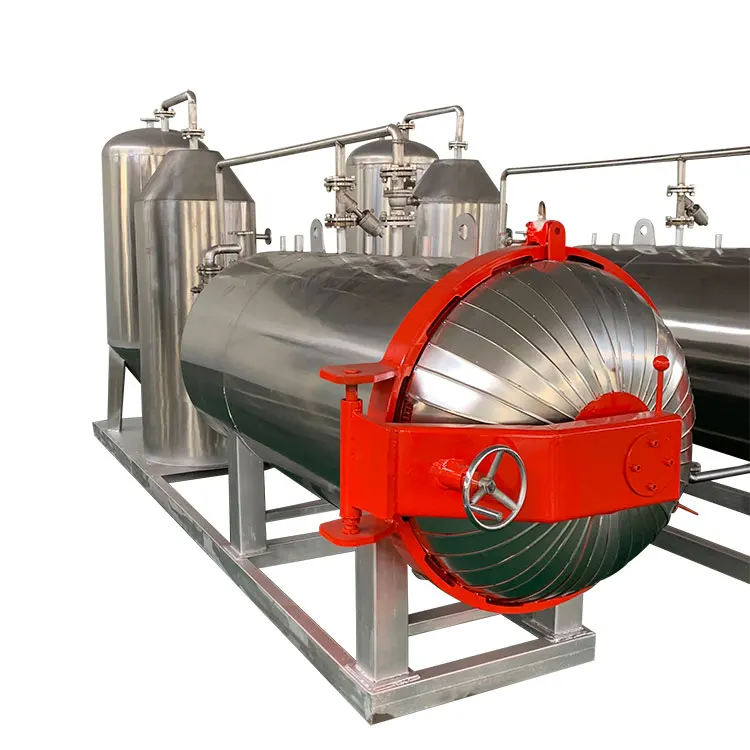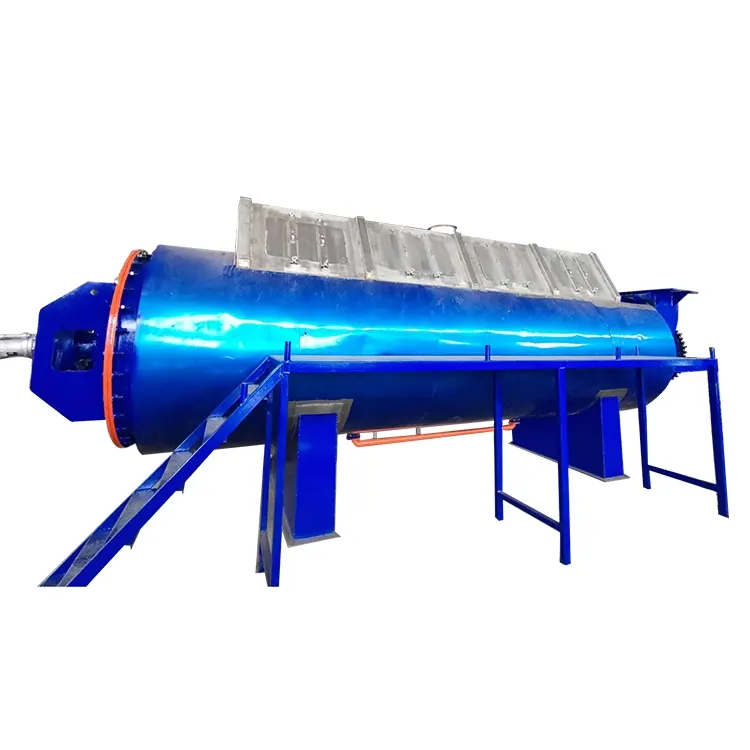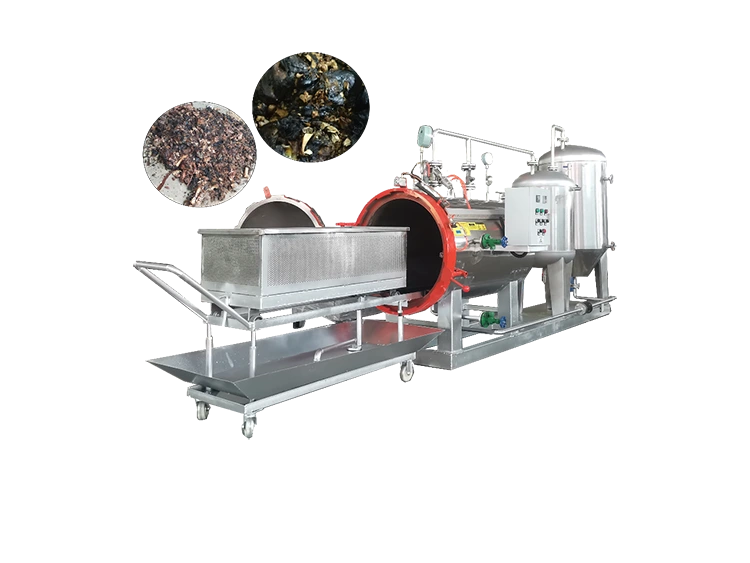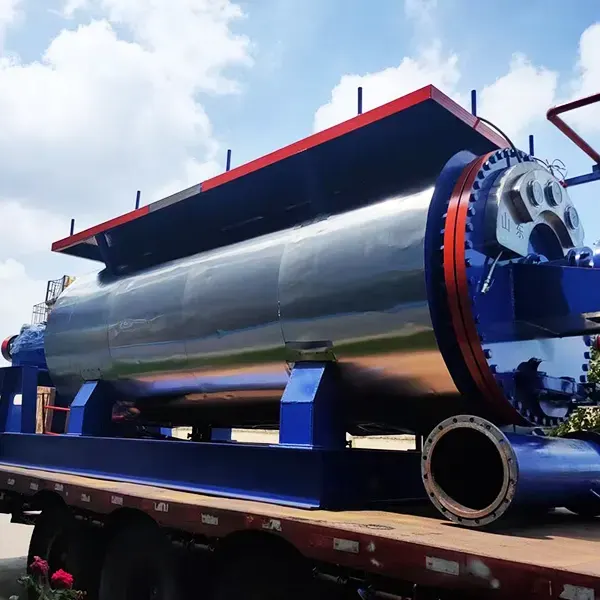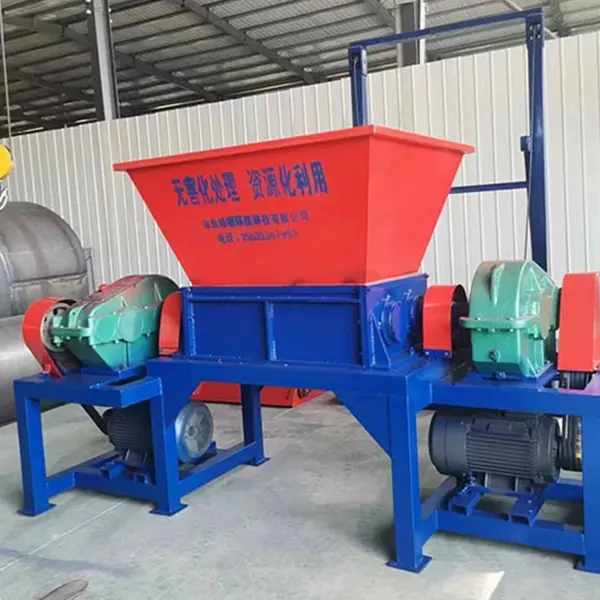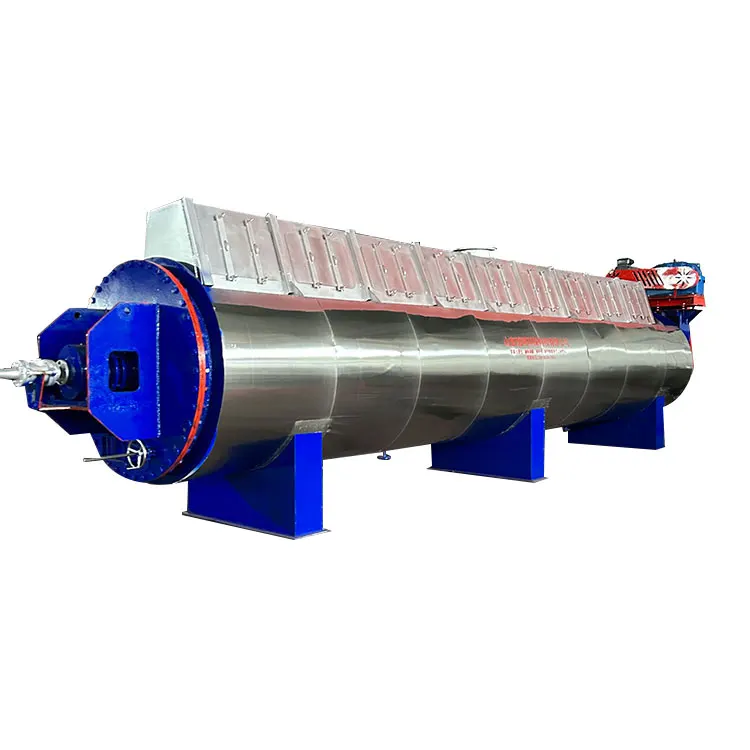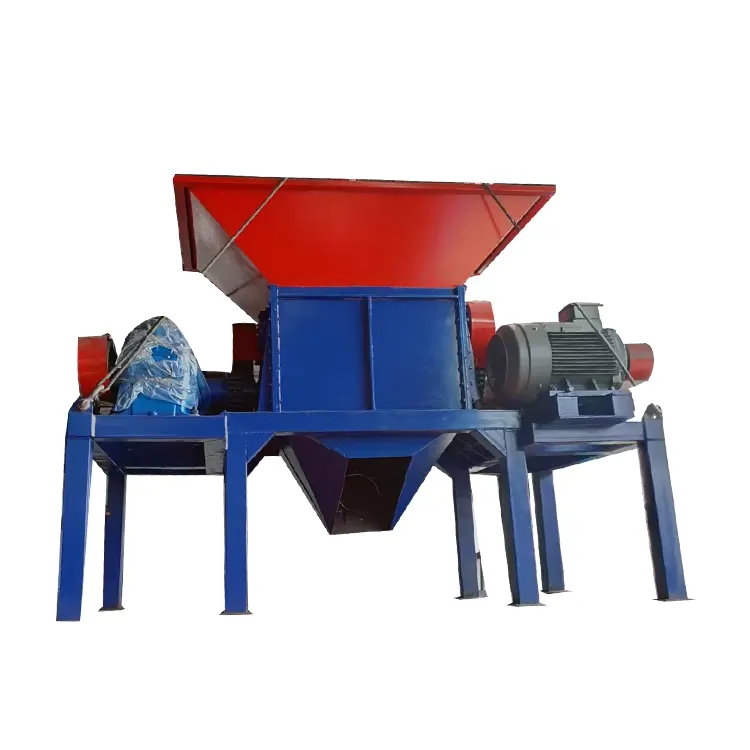

The poultry industry is facing increasing pressure to manage feather waste more responsibly. Chicken Feather Powder Production Equipment is evolving as processing facilities look for practical ways to convert feather by-products into reusable resources while reducing environmental impact.
From Waste Disposal to Resource Utilization
Chicken feathers have traditionally been treated as a difficult waste material because of their strong keratin structure and slow natural degradation. Large volumes of feathers are generated during poultry processing, creating challenges related to storage, transportation, odor control, and disposal. Recent studies have highlighted the importance of developing more sustainable methods to recover value from keratin-rich feather waste rather than relying only on disposal methods.
The concept of circular resource management is changing how the poultry industry views feathers. Instead of considering feathers only as waste, processing technologies are being developed to transform them into feather powder and other useful materials.
This shift has increased attention toward equipment that can handle the complete treatment process, including cleaning, sterilization, hydrolysis, drying, grinding, and odor management.
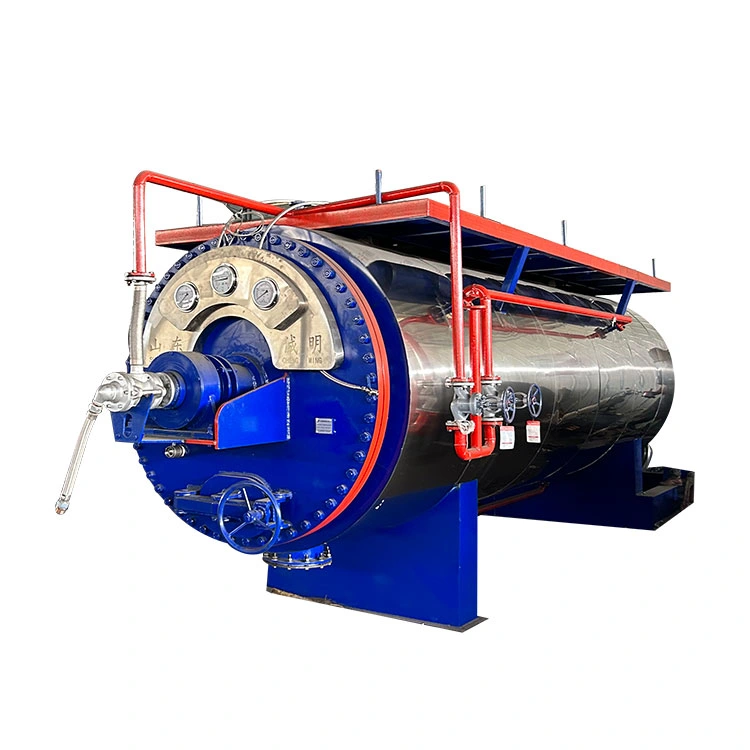
Why Feather Processing Equipment Needs Continuous Improvement
Traditional feather disposal methods may create environmental concerns, especially when waste is not properly managed. Uncontrolled accumulation can lead to unpleasant odors, hygiene problems, and increased pressure on waste treatment systems.
Modern Chicken Feather Powder Production Equipment is being designed around several industry requirements:
| Industry Requirement | Equipment Development Direction |
|---|---|
| Better waste utilization | Converting feathers into reusable powder materials |
| Lower environmental impact | Adding exhaust treatment and odor control systems |
| Stable processing quality | Improving temperature, pressure, and process control |
| Reduced resource waste | Recovering protein-rich components from feathers |
The focus is no longer only on processing speed. Equipment design increasingly considers the entire lifecycle of poultry waste management.
The Role of Technology in Feather Conversion
Chicken feathers contain a high percentage of keratin, a protein with a strong structure that requires suitable processing conditions to break down effectively.
During feather powder production, several steps are usually involved:
Cleaning and Preparation
Fresh feathers often contain impurities such as blood, grease, and other organic residues. Proper cleaning helps create more stable processing conditions and improves the consistency of the final material.
Hydrolysis and Sterilization
Heat and pressure treatment are commonly used to modify the feather structure. This step helps reduce biological risks while making the keratin content easier to process.
Drying and Grinding
After moisture removal, the processed feathers are dried and ground into powder. Controlling moisture levels and particle size is important because it affects storage stability and later applications.
Odor and Waste Gas Management
During high-temperature treatment, steam and odor may be generated. Therefore, modern systems often include deodorizing or exhaust treatment components to reduce environmental impact.
Environmental Compliance Becomes a Key Consideration
As environmental standards become stricter, poultry processing facilities are paying more attention to waste treatment methods that reduce emissions and improve resource recovery.
A complete Chicken Feather Powder Production Equipment system is increasingly expected to address several environmental concerns:
| Environmental Challenge | Processing Solution |
|---|---|
| Feather accumulation | Conversion into usable powder |
| Odor emissions | Waste gas collection and treatment |
| Organic waste pressure | Resource recovery through processing |
| Disposal difficulties | Reduction of untreated waste volume |
This approach supports more responsible waste management by combining treatment and resource utilization.
Moving Toward More Efficient Poultry Waste Systems
Another important trend is the integration of different processing functions into a more complete system. Instead of using separate machines for each stage, modern equipment designs often connect multiple steps into a continuous workflow.
Integrated systems can help improve:
- Material transfer efficiency
- Process stability
- Space utilization
- Operation management
- Waste treatment consistency
For example, a processing line may combine feather feeding, dehydration, hydrolysis, drying, screening, and exhaust treatment. This reduces the need for repeated manual handling and helps maintain consistent operating conditions.
The Growing Importance of Flexible Processing Solutions
Poultry processing facilities differ in production scale, raw material characteristics, and local environmental requirements. Because of these differences, equipment flexibility has become an important development direction.
A suitable system needs to consider:
- Daily feather processing volume
- Moisture content of incoming materials
- Available installation space
- Energy requirements
- Local environmental regulations
This means equipment selection is increasingly based on the complete processing environment rather than only machine capacity.
Shandong Chengming Environmental Technology’s Focus on Animal Waste Treatment
Shandong Chengming Environmental Technology Co., Ltd., established in Zhucheng, Shandong Province in 2014, has focused on animal harmless treatment equipment development for more than 10 years. The company works on equipment related to livestock and poultry waste treatment, including systems for processing feathers, dead animals, slaughterhouse waste, and animal fats.
With a 20,000-square-meter company area and experience in research and development, customization, production, installation, and commissioning, the company focuses on practical solutions for different animal waste treatment conditions.
Future Trends in Feather Waste Management
The future development of feather processing is expected to focus on three major areas: environmental protection, automation, and resource recovery.
Automation technologies may help improve process monitoring and reduce operational errors. More efficient energy use may help lower the environmental footprint of feather treatment. At the same time, research into keratin recovery and bio-based materials may create additional possibilities for feather-derived products.
As poultry production continues to expand globally, managing by-products effectively will become an important part of sustainable food production systems.
Conclusion
The evolution of Chicken Feather Powder Production Equipment reflects a broader change in poultry waste management. Modern systems are no longer focused only on disposal but on converting feather waste into reusable resources while addressing odor control, environmental requirements, and operational efficiency. Through continuous development of animal waste treatment technologies, Shandong Chengming Environmental Technology Co., Ltd. contributes to the advancement of Chicken Feather Powder Production Equipment and more sustainable approaches to poultry waste processing.