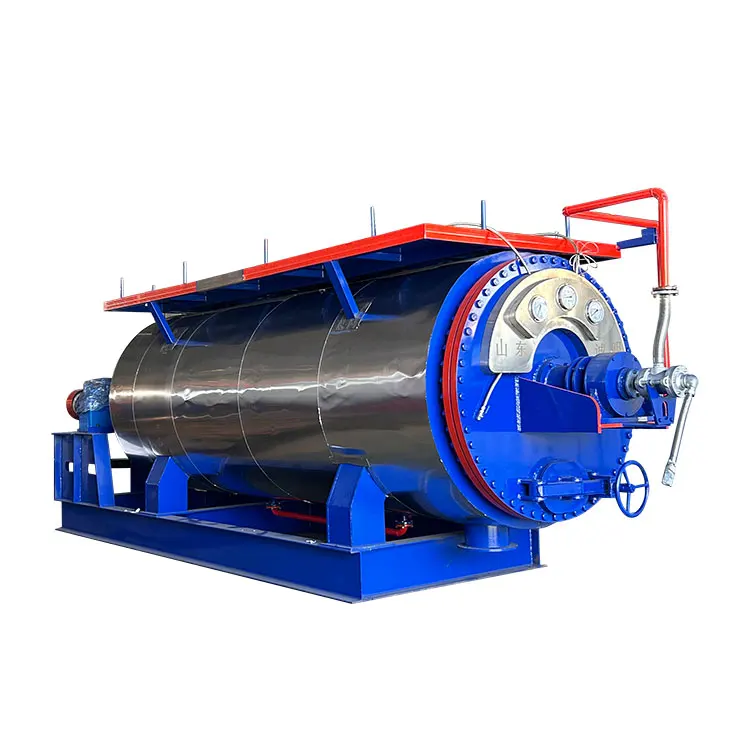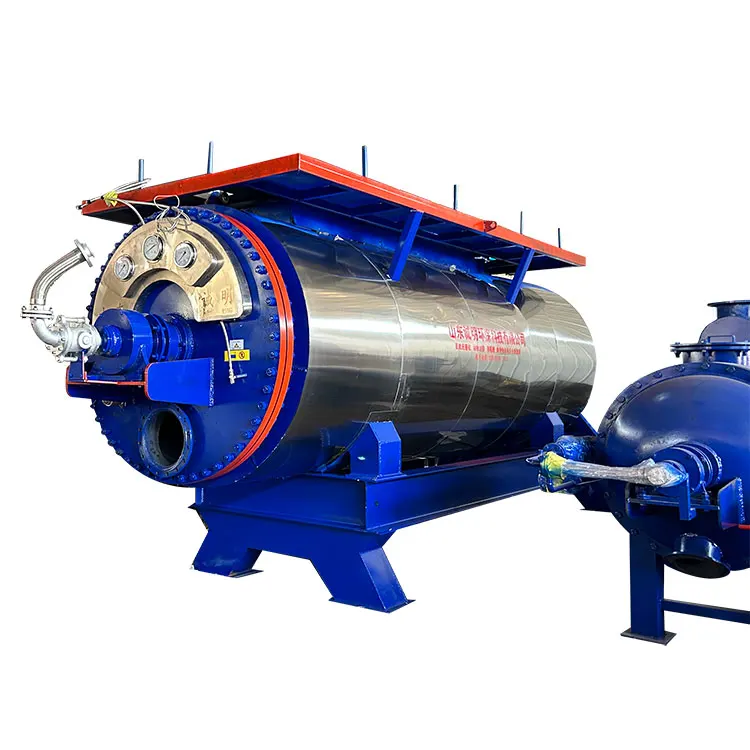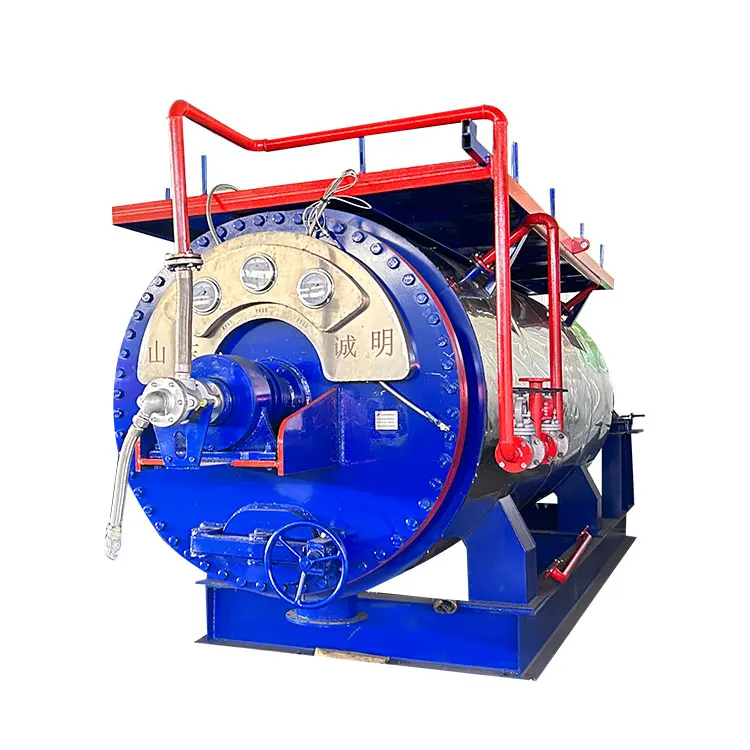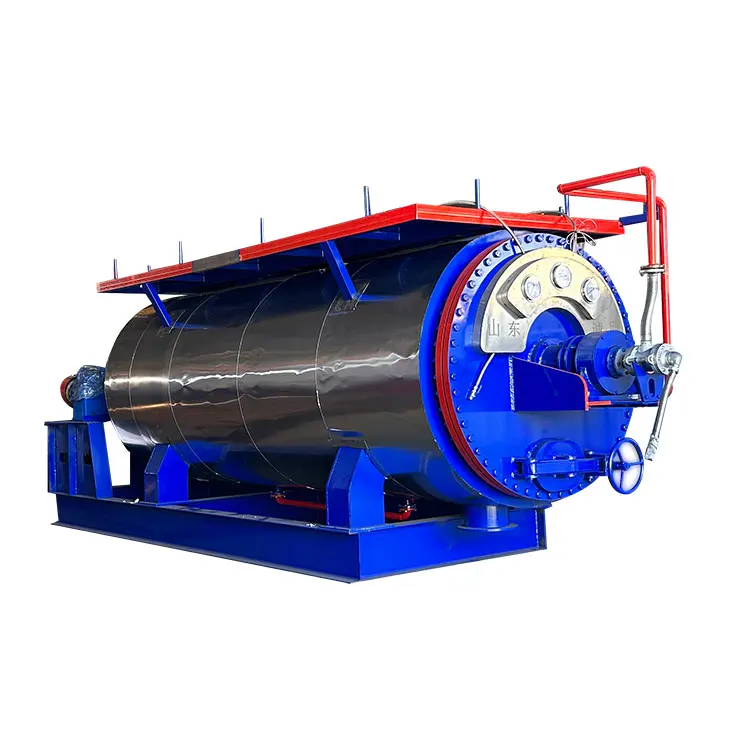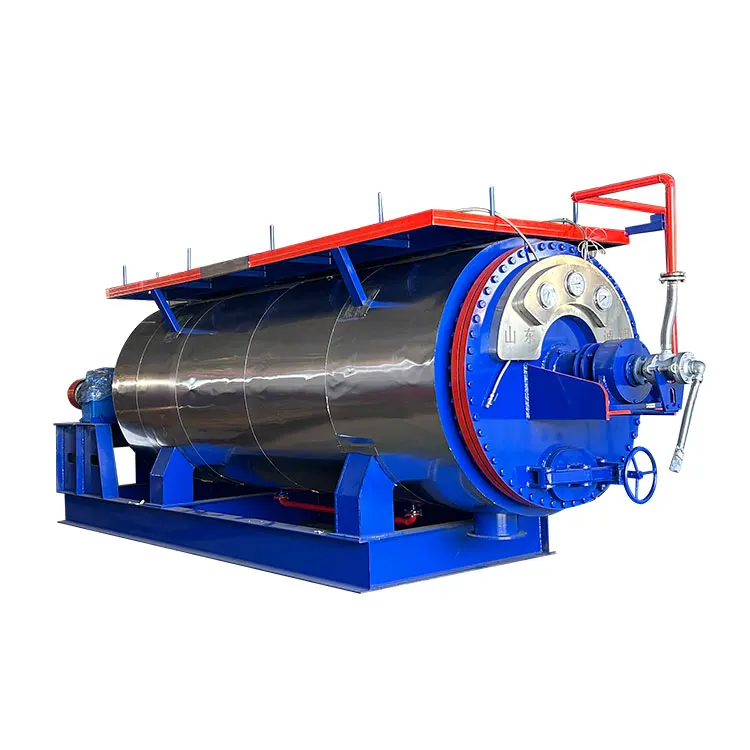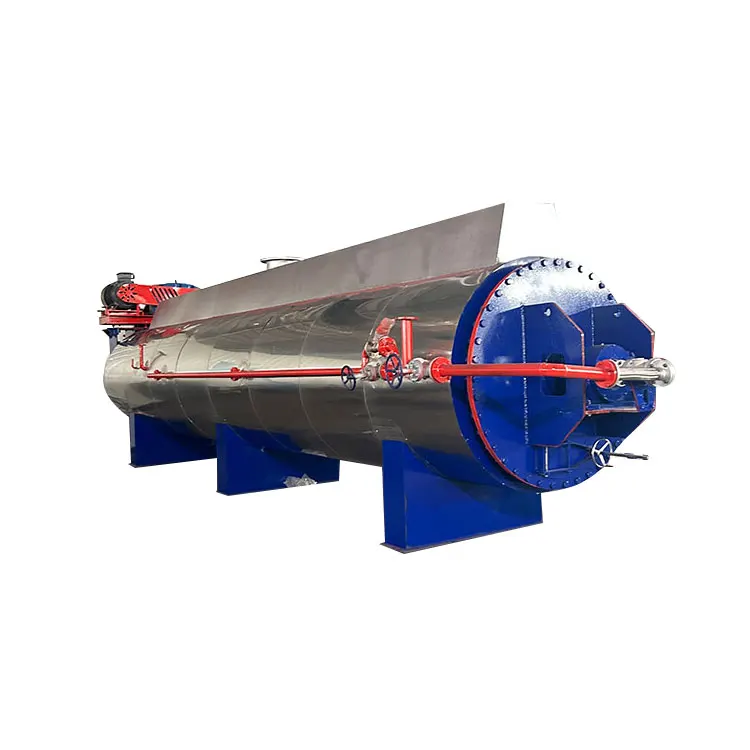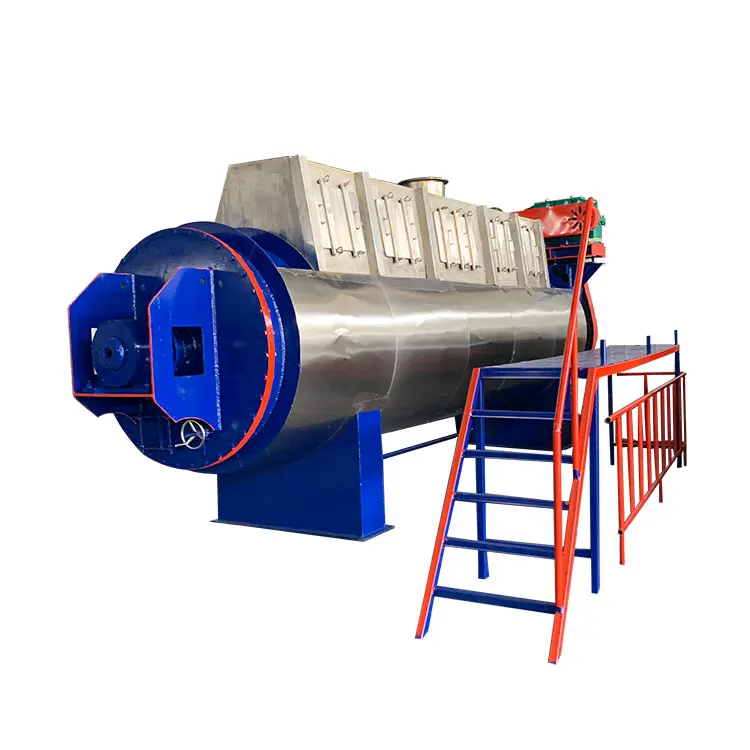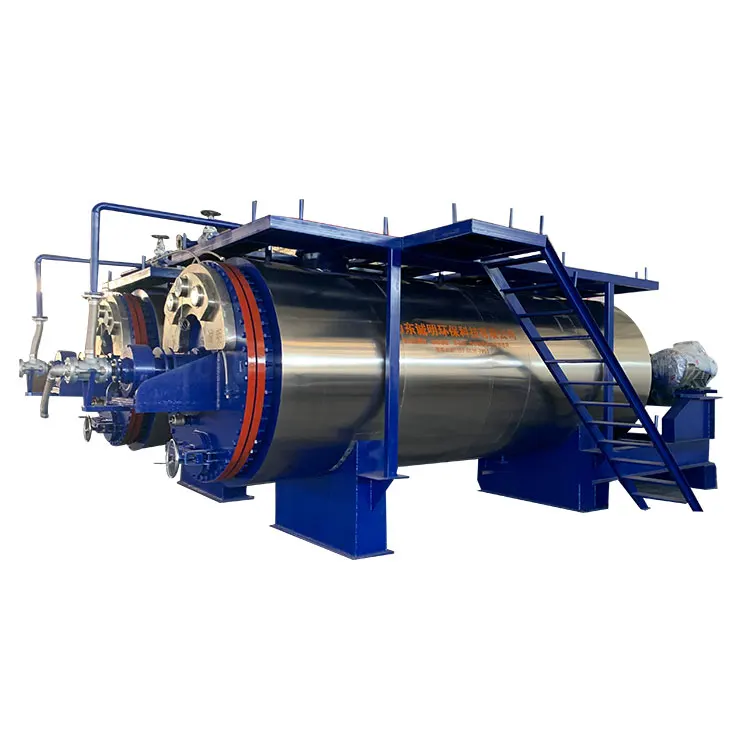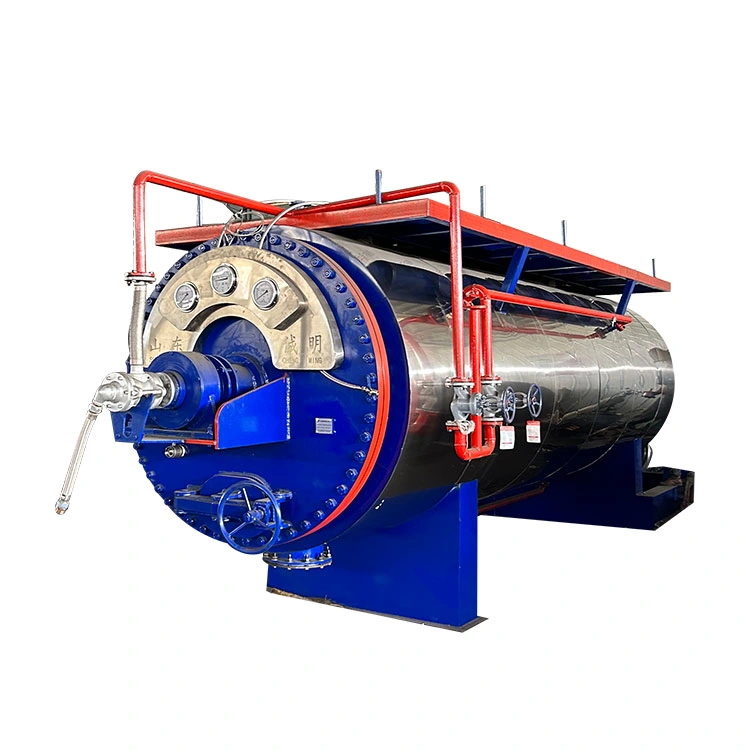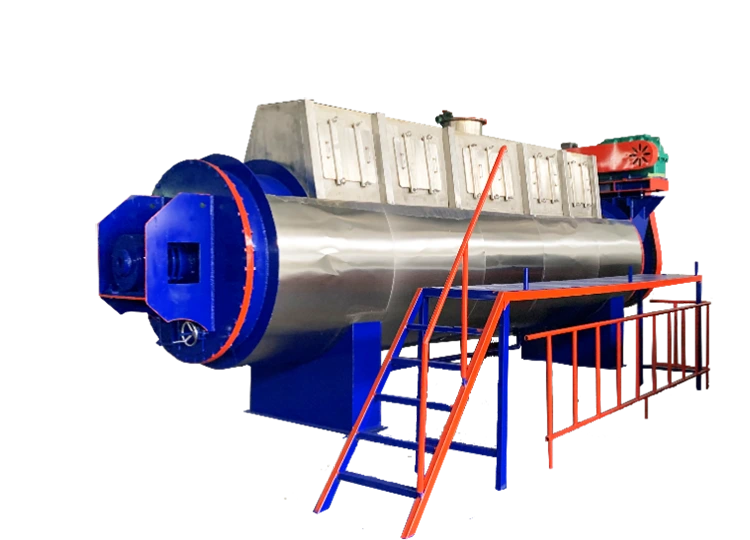
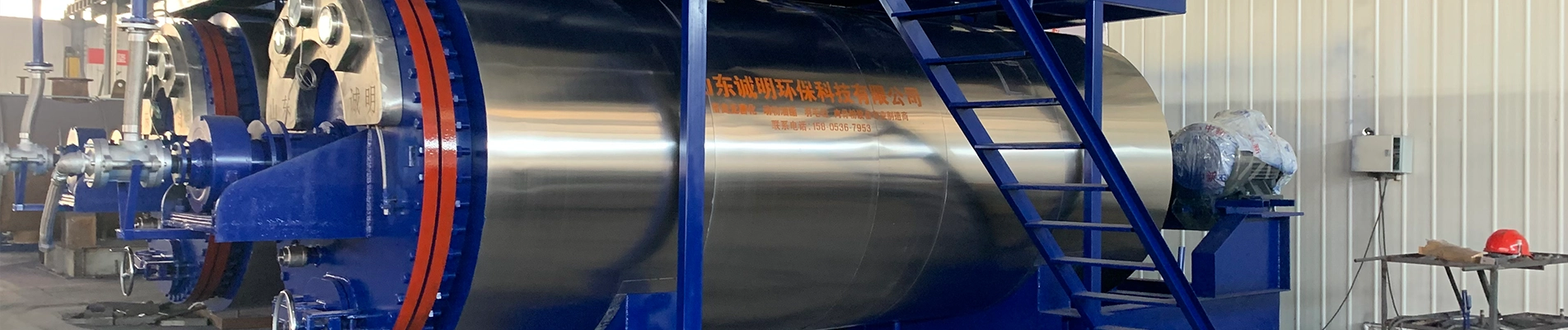
Rendering Machine for Animals is a type of equipment specifically designed for diseased livestock and poultry, including carcasses, that may carry pathogens, contaminants, or pose potential hazards. Through high-temperature and high-pressure sterilization, it eliminates the harmful effects of diseased livestock and poultry at their source, ultimately rendering the treated products harmless and suitable for safe disposal or reuse.
This type of equipment not only effectively interrupts disease transmission chains and protects the ecological environment, but also achieves the dual benefits of waste reduction and resource utilization. The treated products can be further converted into protein feed, organic fertilizer, clean energy, or industrial raw materials, achieving scientific disposal of hazardous waste and resource recycling, providing important support for agricultural environmental protection and efficient resource utilization.
1. Killing Pests/Pathogens
For waste carrying pathogens, viruses, and parasites (such as dead pigs from African swine fever and dead poultry from avian influenza), high temperature, high pressure, and chemical disinfection are used to completely inactivate pathogenic microorganisms, preventing the spread of diseases through soil, water, air, and the food chain.
2. Eliminating the Risk of Secondary Pollution
The treatment process simultaneously controls the emission of waste gas, wastewater, and residues to prevent new pollution from the treatment process itself (for example, humidifiers collect and purify waste gas, and incinerators are equipped with flue gas treatment systems).
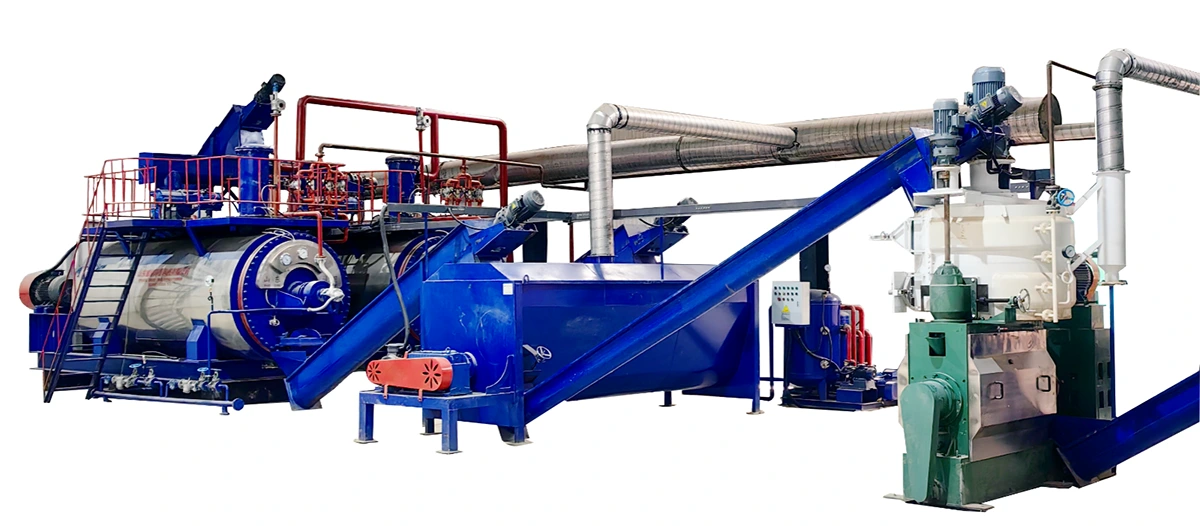
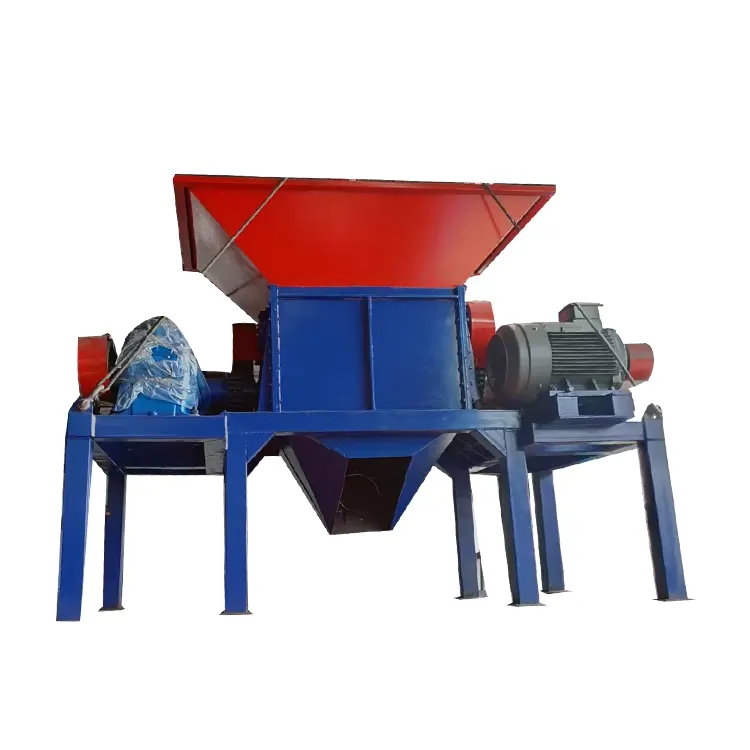
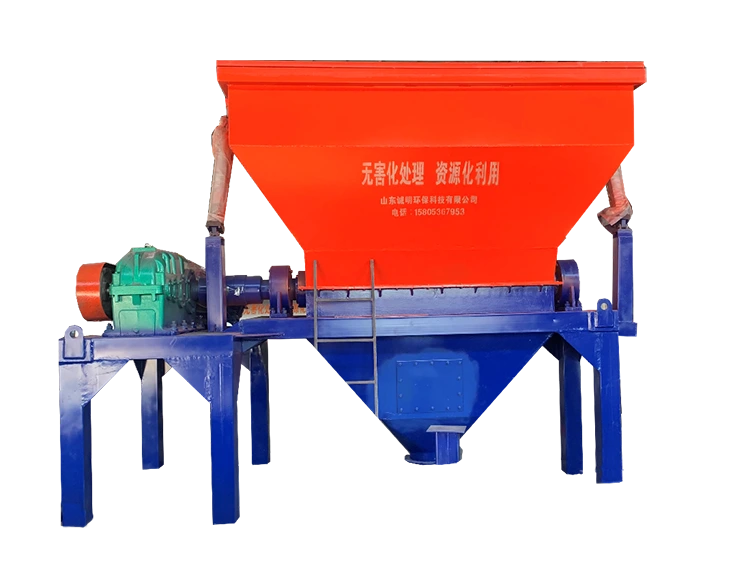
1. Material Crushing and Conveying System:
Animal carcasses are crushed into 10-15 cm pieces using a dedicated crusher. The pieces are then transported to the chemical dryer via dedicated conveying equipment.
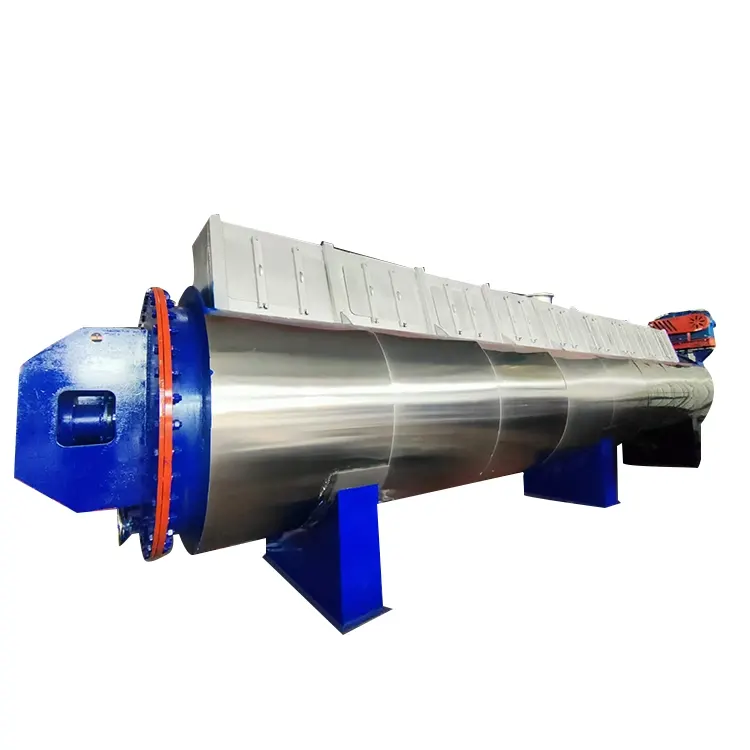
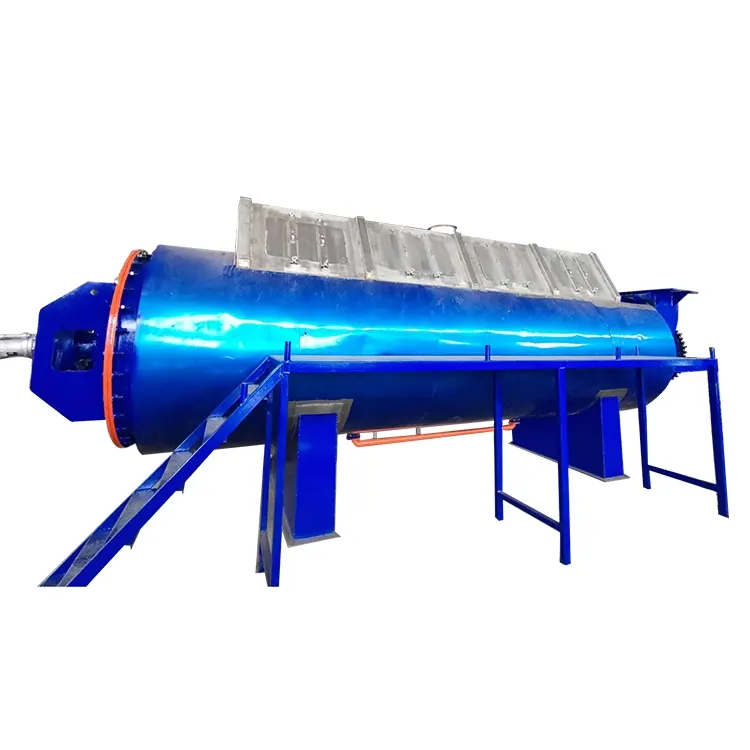
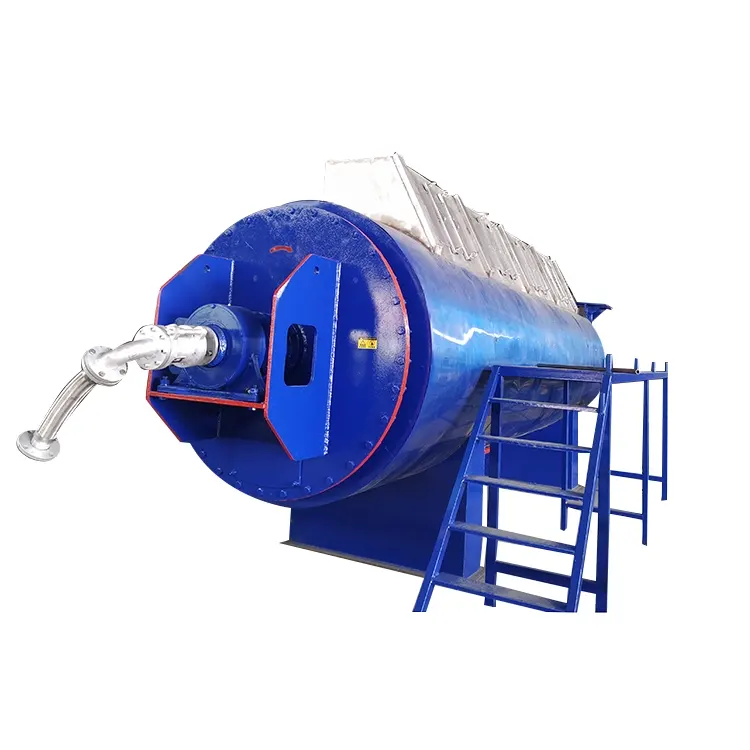
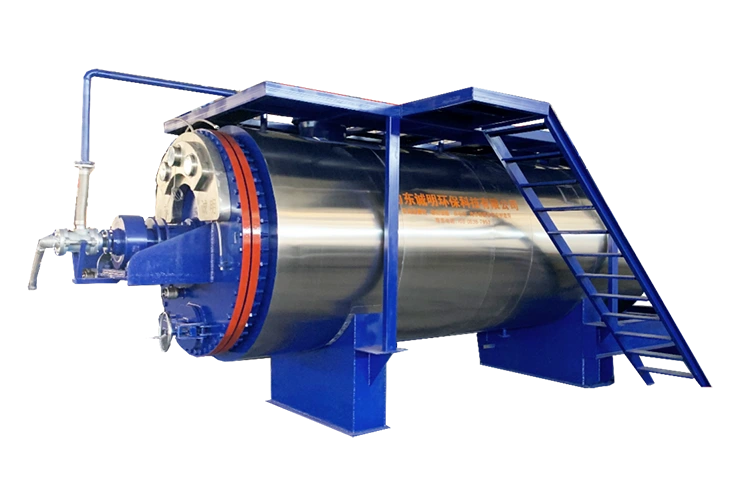
2. Chemical Drying System:
The crushed animal carcasses are filled into a high-temperature chemical processing tank, and the tank door is closed. The equipment heats for 90 minutes, reaching a temperature of 140-160°C (pressure ≥ 0.4 MPa), before entering the pressure-maintaining phase. After 30 minutes, the drying phase begins. The vacuum pump is activated, creating a low-temperature, negative pressure state within the tank. The drying time is set based on the moisture content of the material, aiming for a moisture content of approximately 10-14% (this time varies depending on the moisture content of the material).
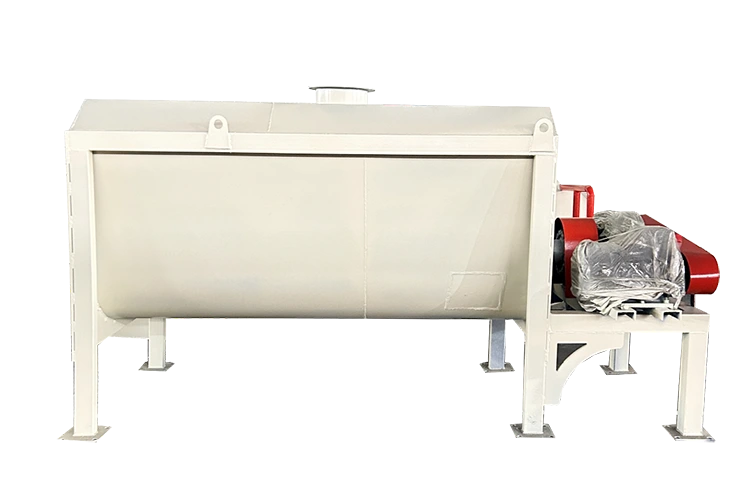
3. Material Buffer System:
After chemical processing and drying, a mixture of fat and bone meal is produced. This mixture is conveyed to a buffer bin via a screw conveyor for temporary storage. The bottom of the buffer bin is connected to a screw conveyor.
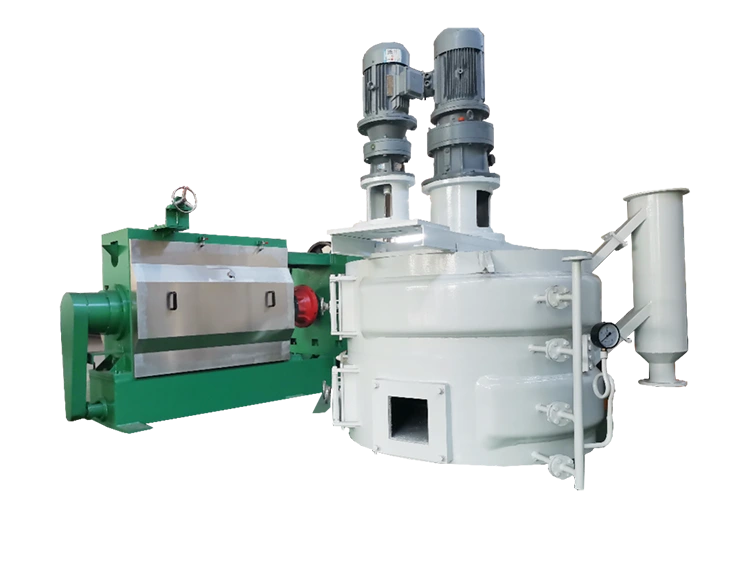
4. Grease Pressing System:
After high-temperature drying and sterilization, the material enters a buffer silo for temporary storage. From the discharge port, it is slowly conveyed via a closed screw conveyor into the grease pressing system for degreasing. The resulting grease is purified and then transferred to a storage tank. The cake is then transported to a remote location.
5. Waste gas treatment system, etc.