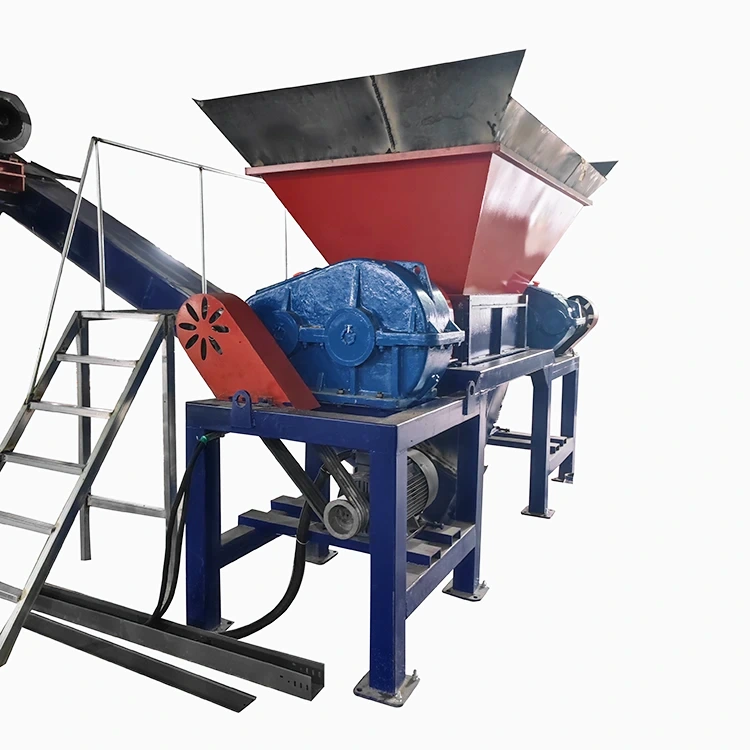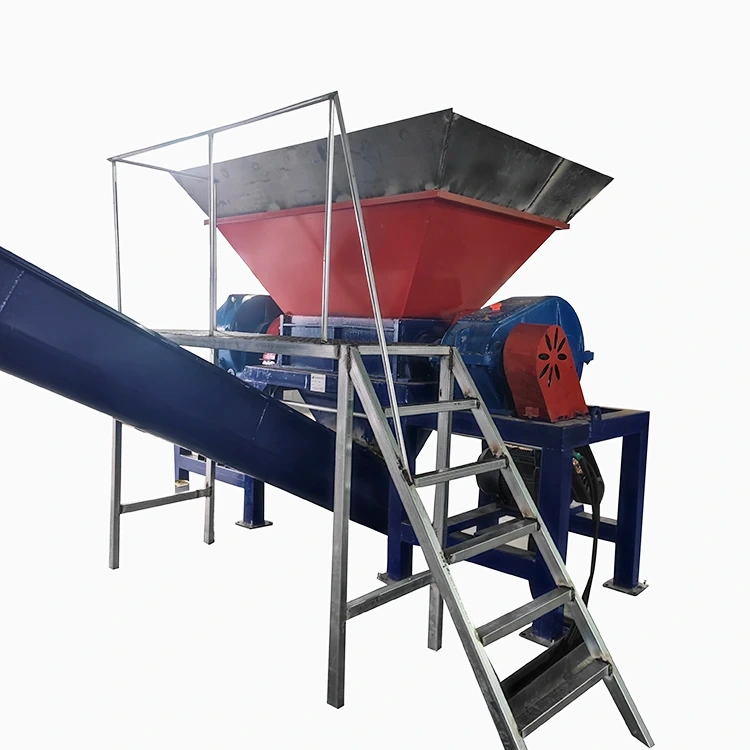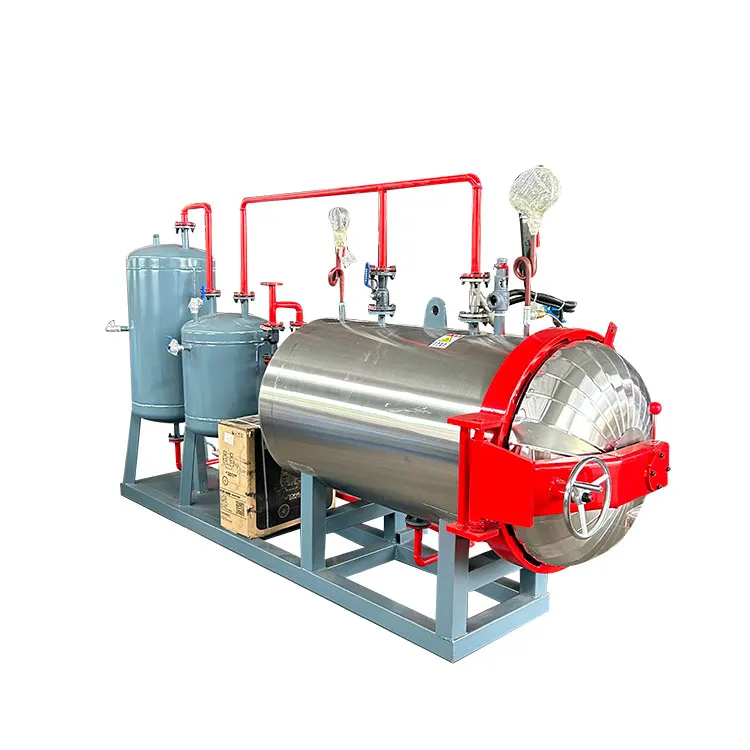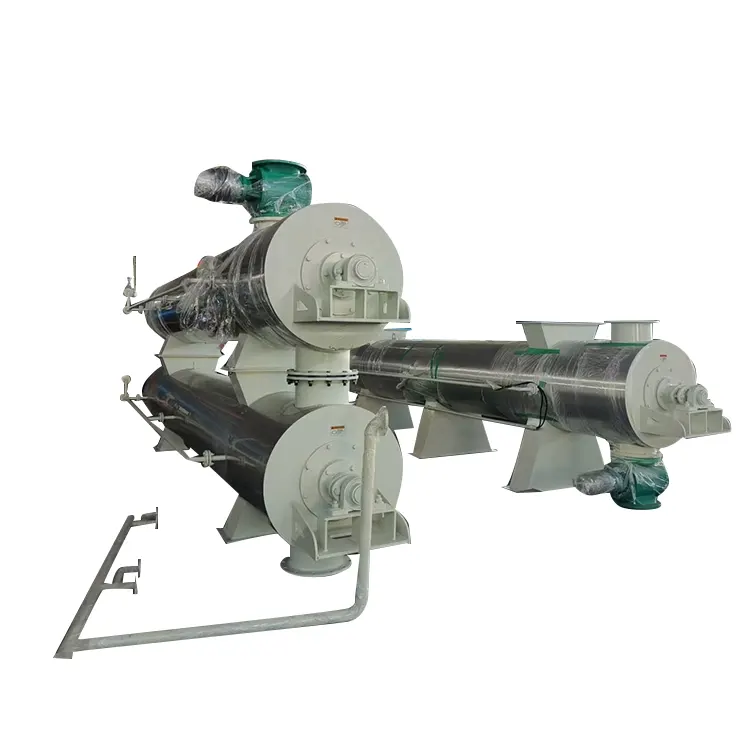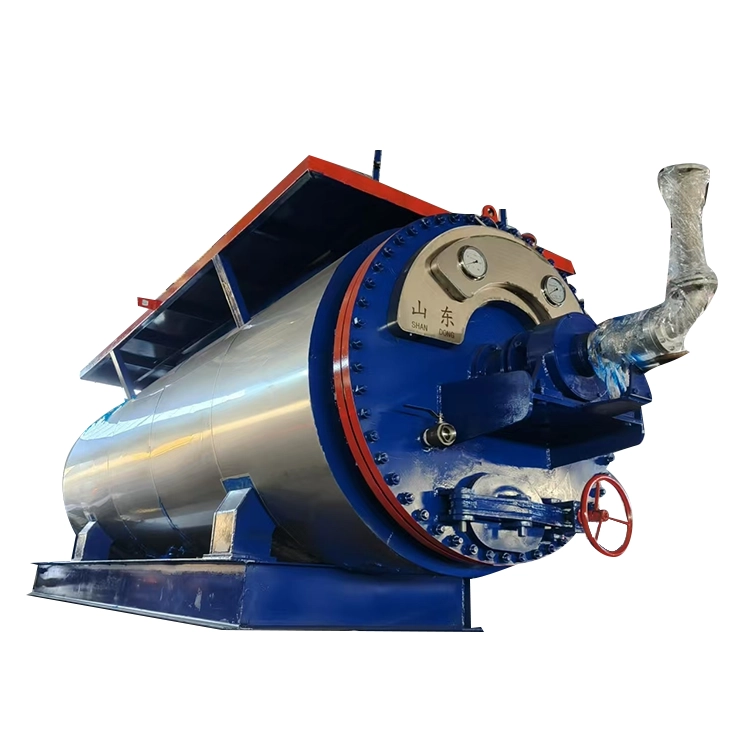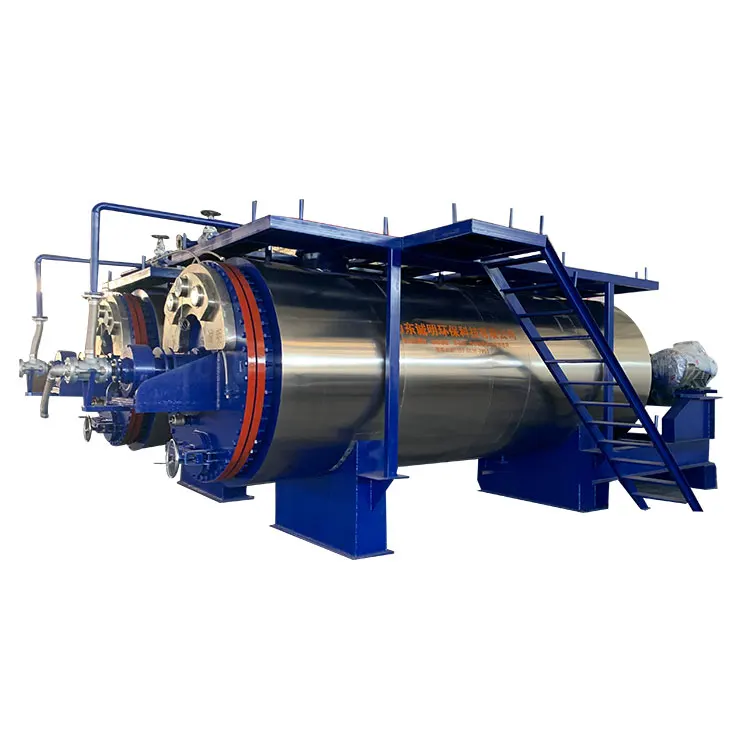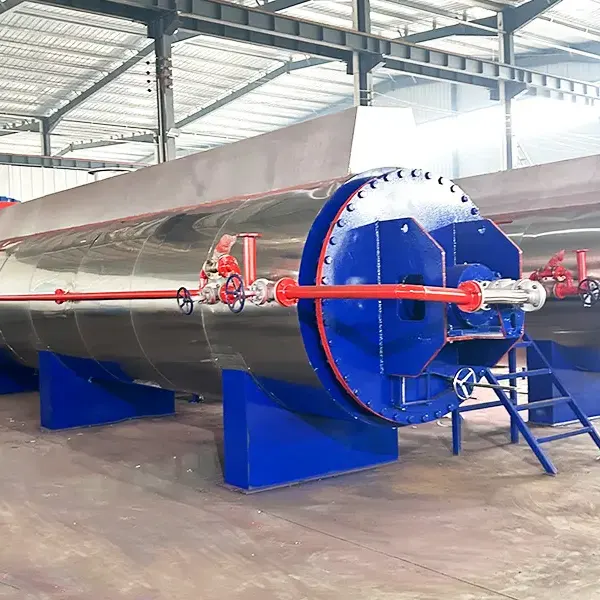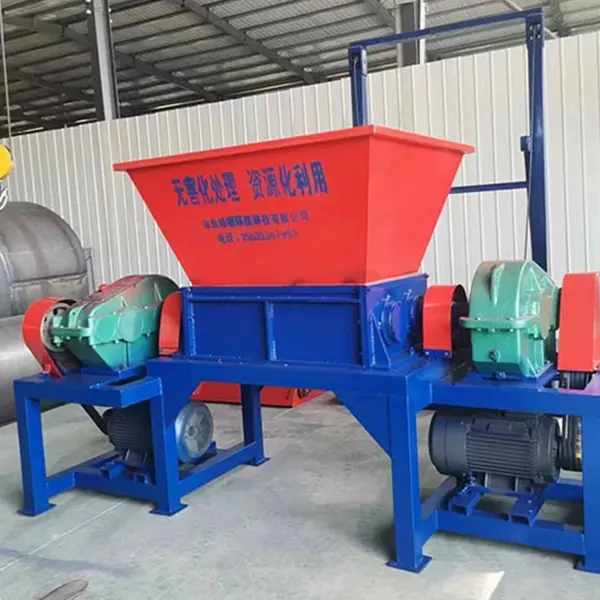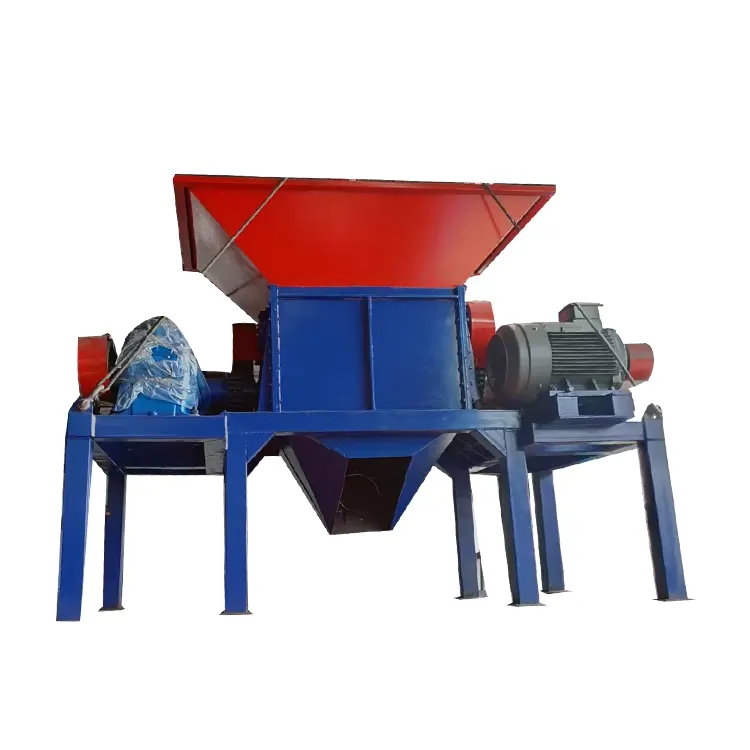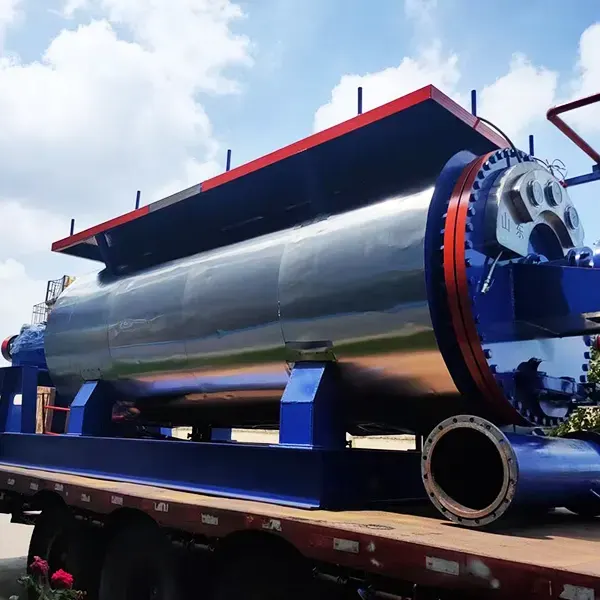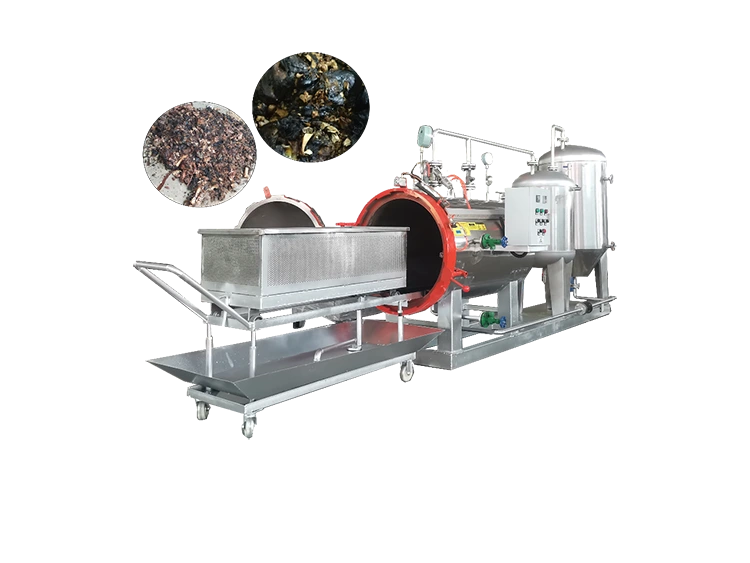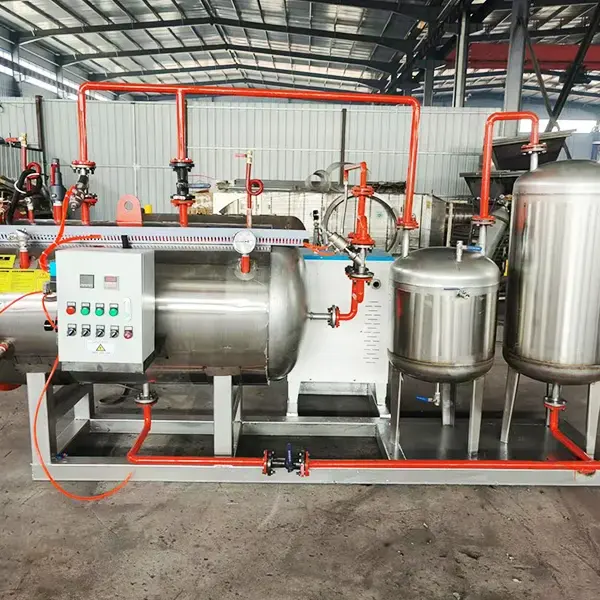

Odor management is one of the critical challenges in industrial drying applications. When waste or raw materials contain organic content, uncontrolled drying can release unpleasant smells and affect surrounding environments. At our factory, we focus on designing Harmless Treatment Dryer units that maintain airflow, temperature control, and moisture removal efficiency to reduce odor. Our team collaborates with operators to ensure optimal operating conditions, balancing drying speed with environmental protection requirements. Shandong Chengming Environmental Protection Technology Co., Ltd. has implemented advanced ventilation and air circulation systems that maintain low odor levels during continuous operation.
The key to odor control lies in precise temperature regulation, adequate residence time, and controlled airflow patterns. Our engineering staff evaluates feedstock characteristics to determine the optimal drying cycle. By doing so, our Harmless Treatment Dryer reduces volatile emissions while preserving material quality. Additionally, our units integrate filters and secondary airflow channels to capture residual odors effectively.
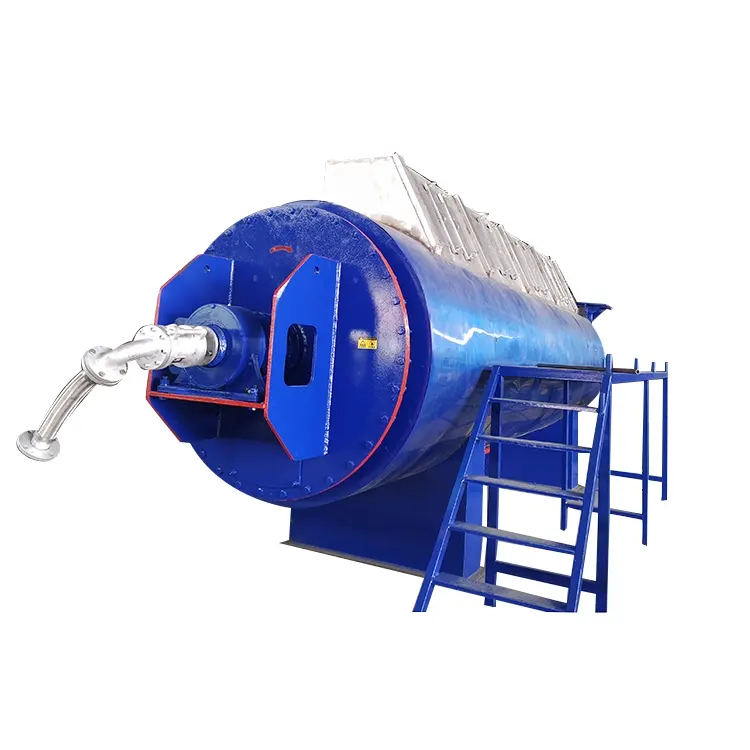
Preventing contamination is essential for both product quality and safety. In industrial environments, cross-contamination can occur due to insufficient drying, equipment design flaws, or improper maintenance. Our factory emphasizes hygienic design, including stainless steel contact surfaces, smooth internal structures, and accessible cleaning points. When clients use our Harmless Treatment Dryer, they benefit from a closed-loop system that minimizes external exposure and reduces microbial growth risks.
Material handling is another critical factor. Shandong Chengming Environmental Protection Technology Co., Ltd. ensures that feedstock is evenly distributed during drying, reducing hotspots where bacteria or fungi might proliferate. Our design includes adjustable feed rates and automated mixing to maintain uniform moisture removal, which is vital for controlling contamination.
Several operational parameters affect how effectively a Harmless Treatment Dryer reduces odor and contamination. These include drying temperature, airflow velocity, moisture content of the input material, and residence time. Our technical team at our factory customizes each installation based on client-specific requirements, ensuring that these parameters are maintained throughout the drying process. Correct calibration improves not only hygiene but also energy efficiency and processing throughput.
The table below illustrates typical operational parameters and their recommended ranges for different materials handled by our Harmless Treatment Dryer units.
| Parameter | Recommended Range | Impact on Odor | Impact on Contamination |
| Temperature | 60–120 Celsius | Reduces volatile compounds | Prevents microbial growth |
| Airflow Rate | 3–8 m/s | Disperses odors efficiently | Ensures uniform drying |
| Residence Time | 30–90 minutes | Allows thorough drying | Limits moisture pockets that breed microbes |
| Feed Moisture Content | 10–35% | Controls emission peaks | Ensures consistent drying and hygiene |
Consistency in dried material is critical for downstream processes. Uneven drying can lead to residual moisture, odor development, or contamination risks. Our Harmless Treatment Dryer includes automated mixing and temperature monitoring systems to maintain uniform moisture content across the batch. Shandong Chengming Environmental Protection Technology Co., Ltd. incorporates feedback control loops that adjust airflow and heating in real-time, ensuring product stability.
Operators working with our equipment benefit from minimized variation in the final product. Our factory trains clients on optimal load distribution and maintenance schedules to further improve consistency. Uniform material quality also contributes to reduced odor and lower risk of microbial contamination.
Hygienic design reduces contamination risks and supports regulatory compliance. Our Harmless Treatment Dryer uses smooth, corrosion-resistant surfaces to prevent material buildup and simplify cleaning. Sealed doors, airlocks, and sanitized exhaust pathways reduce the chance of external contamination. At our factory, we also implement modular internal structures that can be removed or cleaned without disassembling the entire unit.
The table below summarizes critical design features and their impact on odor control and contamination prevention.
| Design Feature | Purpose | Impact on Odor | Impact on Contamination |
| Smooth Internal Surfaces | Prevent material buildup | Minimizes residual odor | Reduces microbial growth |
| Sealed Doors and Airlocks | Limit external exposure | Maintains low odor emission | Prevents external contamination |
| Modular Cleaning Components | Enable easy maintenance | Ensures odor does not accumulate | Supports hygiene compliance |
| Controlled Airflow Channels | Optimize drying patterns | Improves odor dispersion | Ensures uniform moisture removal |
Maintaining efficiency over long-term operation is essential to reduce both odor and contamination risks. Regular inspection of airflow, temperature, and material handling is crucial. Our factory provides monitoring tools and training to help clients track performance indicators. By following our recommended maintenance schedules, the Harmless Treatment Dryer continues to perform optimally, reducing the potential for odor and microbial contamination.
Shandong Chengming Environmental Protection Technology Co., Ltd. works closely with operators to establish preventive maintenance protocols. This includes cleaning schedules, sensor calibration, and mechanical checks that prevent unexpected downtime. By integrating these practices into daily operation, our clients achieve consistent performance and improved product safety.
What are the most effective methods to control odor during drying?
Maintaining optimal temperature, uniform airflow, and appropriate residence time are key. Proper ventilation and secondary odor capture channels help minimize emissions. Using a Harmless Treatment Dryer designed with these features ensures odor reduction without compromising drying efficiency.
How can contamination risks be minimized in high-moisture environments?
Uniform material distribution, sealed drying chambers, and hygienic surfaces are critical. Our factory emphasizes proper load management and regular cleaning to prevent microbial growth. Consistent drying parameters further reduce contamination risk in sensitive applications.
How often should maintenance be performed to ensure performance?
Regular inspections of airflow, temperature control systems, and mechanical components are recommended. Our technical team advises preventive maintenance every few weeks, depending on usage, to maintain both odor control and hygiene standards, ensuring the Harmless Treatment Dryer operates at peak efficiency.
Reducing odor and contamination risks requires careful selection, design, and operation of drying equipment. A Harmless Treatment Dryer that incorporates controlled temperature, airflow management, and hygienic design provides reliable performance and consistent product quality. Our engineering team at our factory focuses on these factors to help clients achieve safe, efficient, and environmentally friendly drying operations. For professional guidance or to explore customized drying solutions, contact our technical department today and learn how Shandong Chengming Environmental Protection Technology Co., Ltd. can support your production goals.