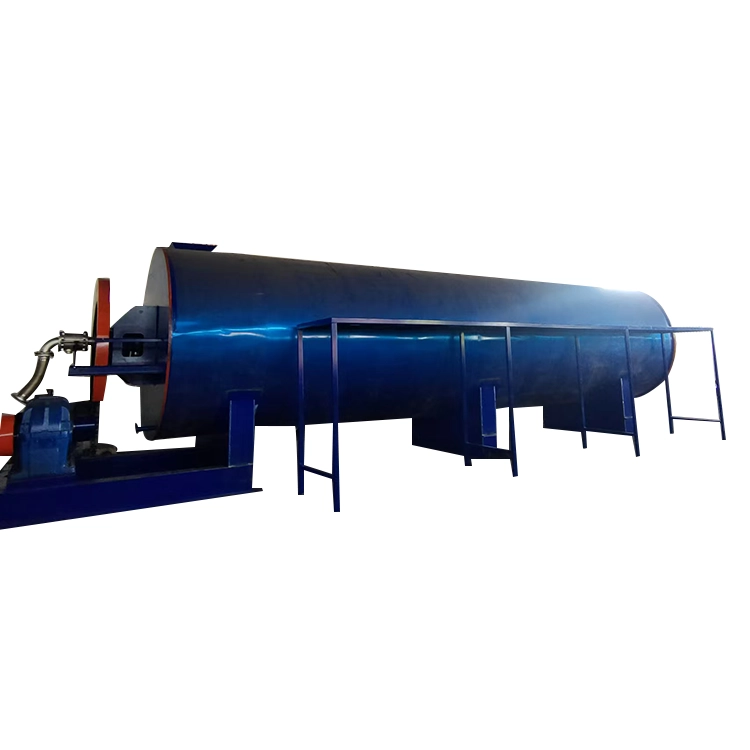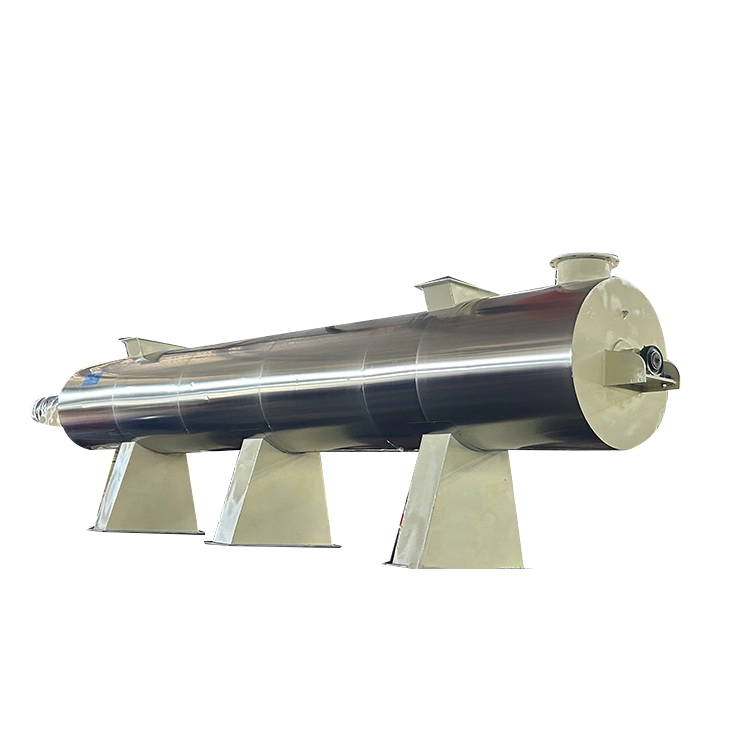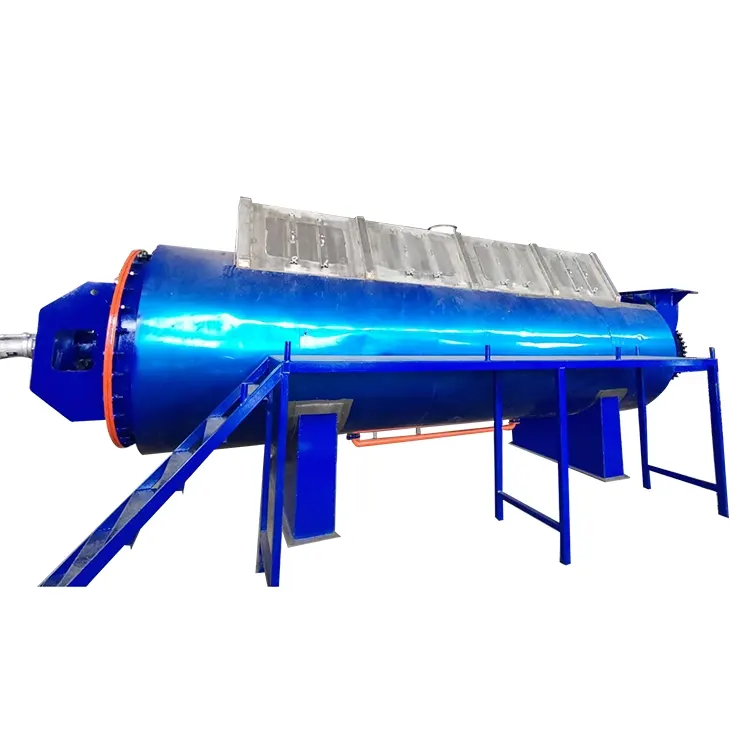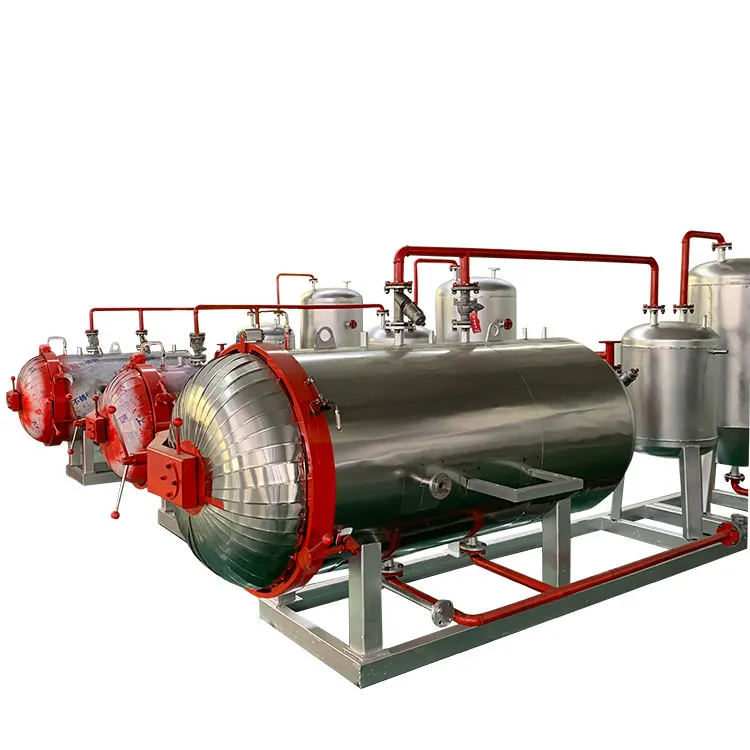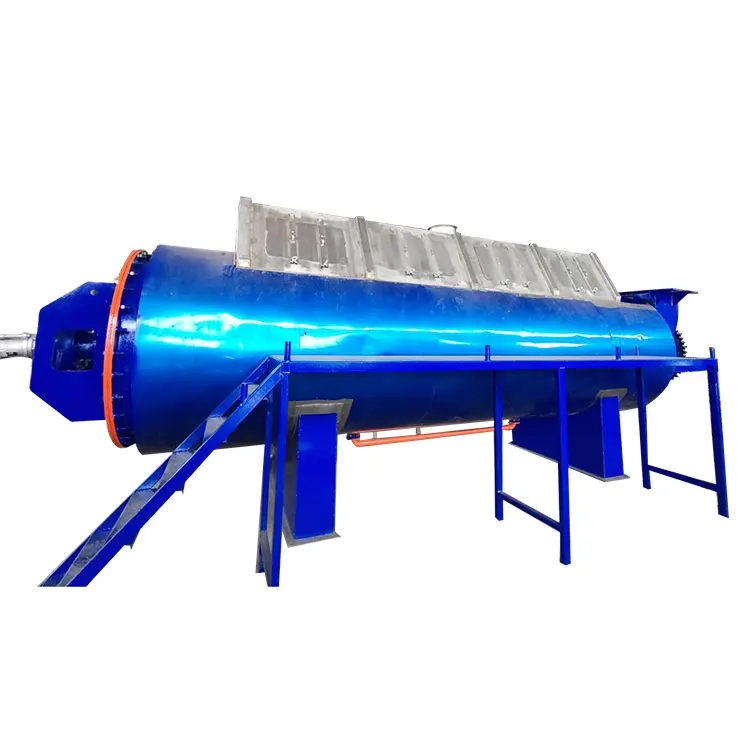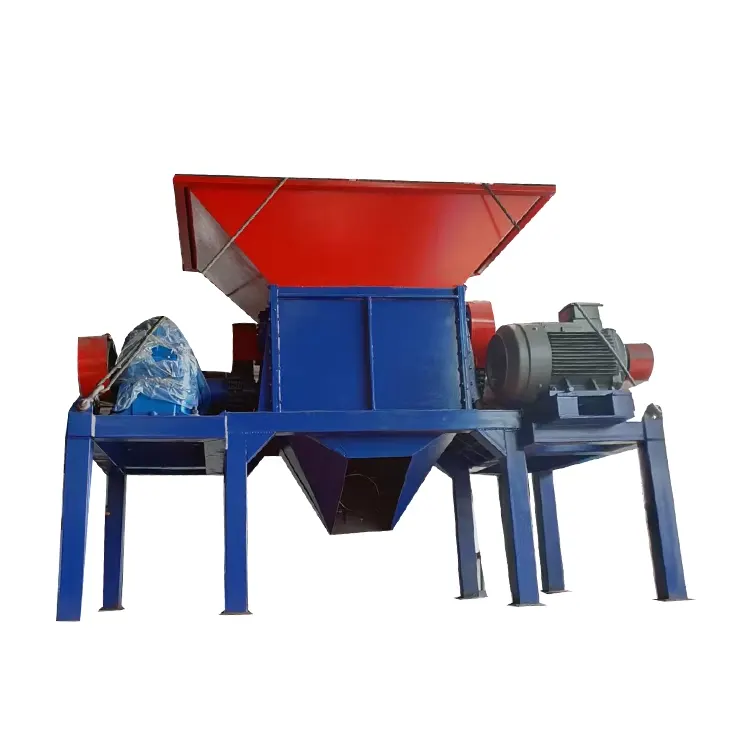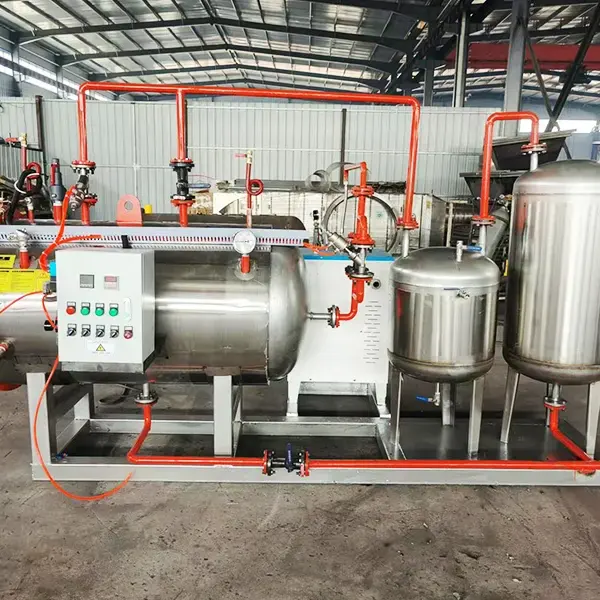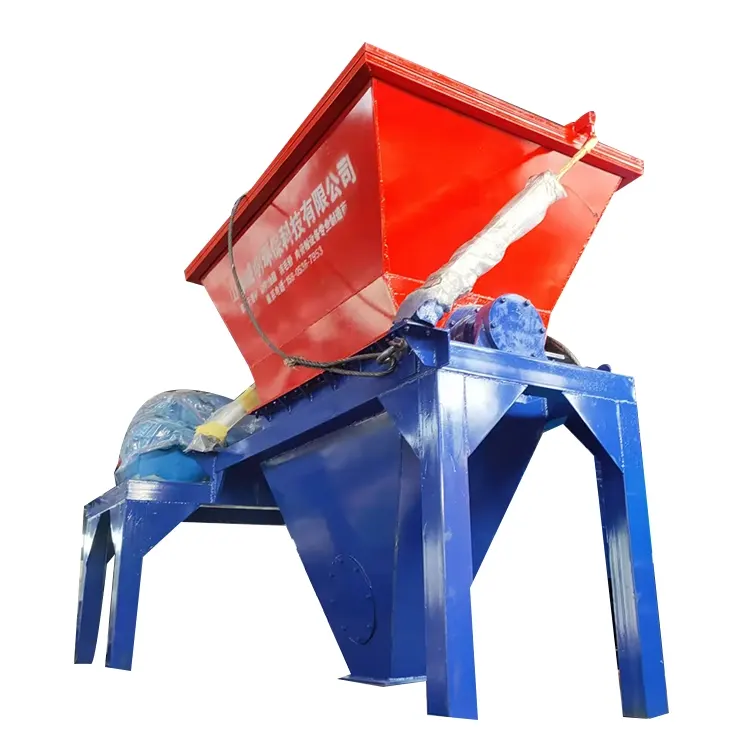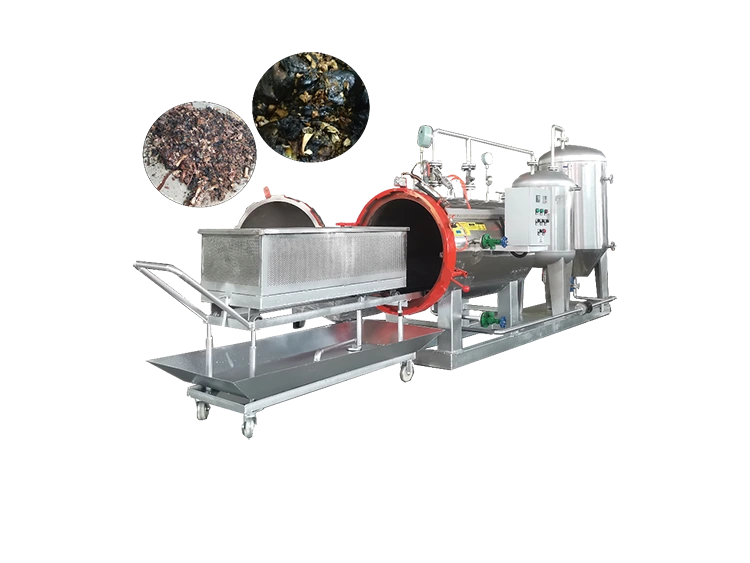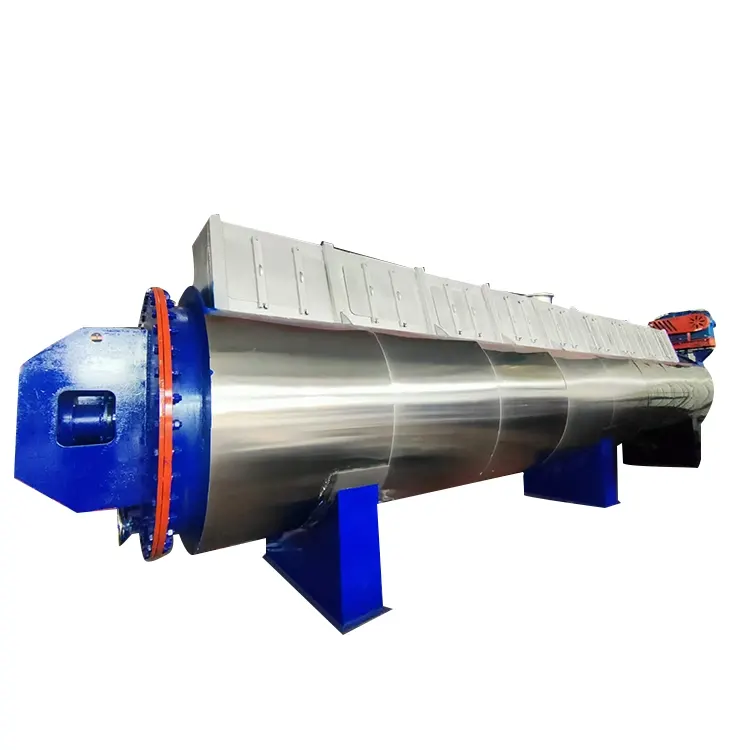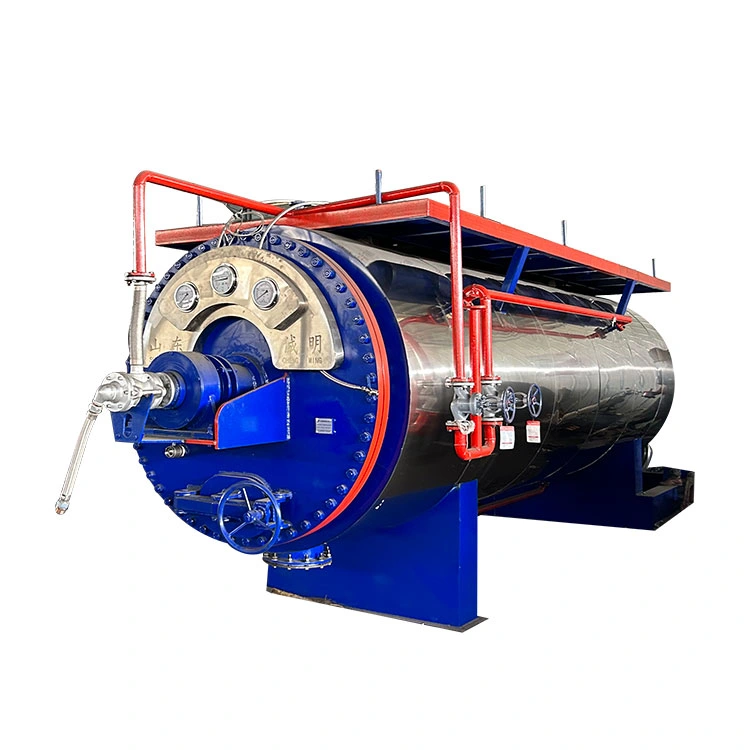

Chengming and Chicken Feather Powder Production Equipment: As the poultry processing industry continues to focus on resource recovery and sustainable waste management, we highlight an important question frequently discussed among processing facilities: what pressure is required during feather hydrolysis, and why does it matter for the final feather powder quality? In modern Powder Production Equipment, pressure is one of the key factors that determines protein digestibility, production efficiency, and resource utilization.

Chicken, duck, and goose feathers are rich in keratin, a highly stable structural protein. While feathers contain valuable protein resources, their natural structure makes them difficult for animals to digest. Simply crushing or grinding feathers does little to improve nutritional availability because the keratin remains largely intact.
This challenge has driven the development of hydrolysis technology, which uses controlled heat, pressure, and mechanical action to break down the strong molecular bonds inside feathers. The goal is not merely to reduce feather size but to transform the protein into forms that can be more easily absorbed and utilized.
For facilities handling large volumes of poultry by-products, effective hydrolysis has become an important step in turning waste streams into useful feed ingredients while reducing disposal burdens.
Pressure works together with temperature during the hydrolysis process. When steam pressure increases inside the processing vessel, the boiling point of water rises, allowing feathers to be exposed to higher temperatures without excessive moisture loss.
In practical operation, hydrolysis pressure typically falls within a range of:
| Processing Parameter | Typical Range |
| Pressure | 0.2–0.4 MPa |
| Temperature | 120–140°C |
| Hydrolysis Time | 30–60 Minutes |
| Protein Digestibility | 70%–85% |
| Raw Material Utilization Rate | Above 95% |
Within this pressure range, the disulfide bonds and peptide bonds inside keratin begin to break down effectively. As a result, complex feather proteins are converted into smaller peptides and amino acids that are much easier for animals to digest.
Industry specialists often regard pressure control as the balancing point between product quality and operating efficiency.
When pressure remains below the recommended range, feathers may not receive sufficient thermal energy to fully disrupt the keratin structure.
This can result in:
- Lower protein digestibility
- Poor nutrient availability
- Coarser final product texture
- Reduced feed value
Facilities sometimes observe that under-processed feather powder appears fibrous and difficult to mix uniformly into feed formulations.
Insufficient pressure often requires extended processing times to achieve similar results. This can reduce throughput and increase energy consumption over time.
For operations processing several tons of feathers daily, longer cycles may create bottlenecks throughout the production workflow.
While pressure is essential, excessive pressure does not automatically improve results.
Very high pressure combined with excessive temperatures can cause over-hydrolysis. Certain amino acids may become damaged, reducing the nutritional value of the final product.
Higher operating pressure places greater demands on pressure vessels, valves, piping systems, and safety controls.
Maintaining pressure within the recommended operating window helps achieve consistent product quality while supporting long-term equipment reliability.
The commonly adopted hydrolysis pressure range did not emerge by chance. It reflects years of operational experience across poultry processing facilities.
Several advantages explain its popularity:
The pressure level provides enough energy to break keratin bonds without causing excessive nutrient degradation.
Consistent pressure helps maintain:
- Uniform particle structure
- Reliable protein content
- Improved palatability
- Better absorption efficiency
The range balances production performance with energy efficiency, helping facilities avoid unnecessary steam consumption.
For many operations, this pressure window delivers the most practical combination of productivity and quality.
One challenge in feather hydrolysis is maintaining stable conditions throughout the processing cycle.
Pressure fluctuations can lead to uneven hydrolysis, creating variations in the final product.
Modern Chicken Feather Powder Production Equipment addresses this issue through several features:
- Automated Pressure Monitoring: Digital monitoring systems continuously track vessel pressure and temperature.
- Sealed Pressure Vessels: Proper vessel design helps maintain uniform processing conditions from start to finish.
- Integrated Steam Control: Steam input can be regulated to maintain target pressure levels and reduce energy waste.
- Safety Protection Systems: Pressure relief mechanisms and monitoring devices help ensure safe operation throughout the hydrolysis process.
Together, these systems improve process consistency while reducing manual intervention.
Pressure is important, but it is only one part of the equation.
Several additional factors influence the final result.
- Raw Material Preparation: Feathers should undergo cleaning and pretreatment before hydrolysis. Removing impurities improves overall process efficiency.
- Moisture Content: Proper moisture levels help ensure effective heat transfer during hydrolysis.
- Temperature Control: Pressure and temperature must work together. Even with adequate pressure, poor temperature control can limit hydrolysis performance.
- Processing Time: Hydrolysis requires sufficient residence time for keratin breakdown. Excessively short cycles may leave proteins partially processed.
- Post-Processing: Drying, crushing, and screening play significant roles in determining final powder quality and consistency.
Successful operations focus on optimizing the entire process rather than relying on a single parameter.
The global poultry industry generates millions of tons of feathers annually. Historically, many facilities faced challenges related to disposal costs and environmental compliance.
Today, resource recovery is becoming a major focus.
Several trends are accelerating interest in feather hydrolysis technology:
- Increasing Sustainability Requirements: Governments and industries are placing greater emphasis on waste reduction and circular economy practices.
- Rising Protein Resource Demand: Alternative protein sources continue to attract attention as feed producers seek diversified ingredients.
- Environmental Management Goals: Reducing landfill disposal and improving by-product utilization support broader sustainability initiatives.
- Operational Efficiency Improvements: Modern processing systems allow facilities to convert by-products into useful materials while maintaining manageable operating costs.
As a result, feather hydrolysis is increasingly viewed as a practical waste-to-resource solution rather than simply a disposal method.
A typical feather processing workflow may include:
- Feather collection
- Cleaning and pretreatment
- Hydrolysis under controlled pressure and temperature
- Drying
- Crushing
- Screening
- Packaging and storage
Throughout this sequence, pressure control remains one of the most closely monitored parameters because it directly affects protein conversion efficiency.
Facilities processing mixed poultry feathers, including hard feathers and down feathers, often rely on stable hydrolysis conditions to achieve consistent results across varying raw materials.
Organizations exploring feather processing solutions often focus on several operational indicators:
| Evaluation Factor | Importance |
| Pressure Stability | Ensures uniform hydrolysis |
| Temperature Control | Supports protein conversion |
| Capacity Matching | Aligns with daily feather volume |
| Energy Efficiency | Influences operating costs |
| Safety Design | Supports reliable operation |
| Maintenance Accessibility | Reduces downtime |
| Resource Utilization Rate | Maximizes raw material value |
Looking at these factors together provides a clearer understanding of long-term performance than evaluating pressure specifications alone.
Hydrolysis pressure plays a central role in transforming feathers from a difficult-to-digest by-product into a valuable protein resource. Industry experience shows that a pressure range of approximately 0.2–0.4 MPa, combined with temperatures between 120°C and 140°C, delivers effective keratin breakdown while preserving nutritional quality. Maintaining stable operating conditions helps improve digestibility, production efficiency, and overall resource utilization.
As poultry processors continue seeking sustainable waste management strategies, well-designed Chicken Feather Powder Production Equipment remains an important tool for converting feathers into useful protein products. Through years of experience in animal harmless treatment and by-product processing, Shandong Chengming Environmental Technology Co., Ltd. continues to contribute practical knowledge and technology solutions for the efficient operation of Powder Production Equipment across the poultry industry.