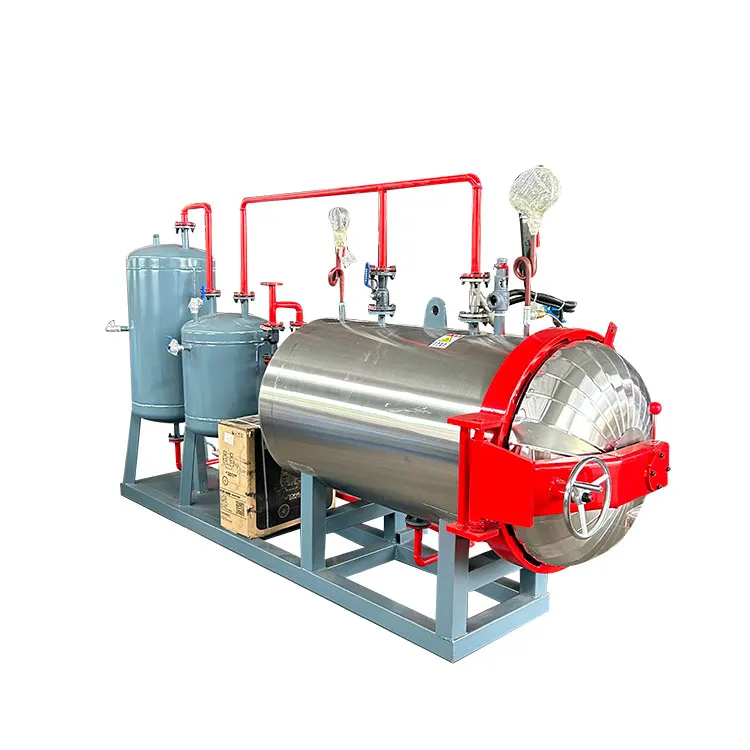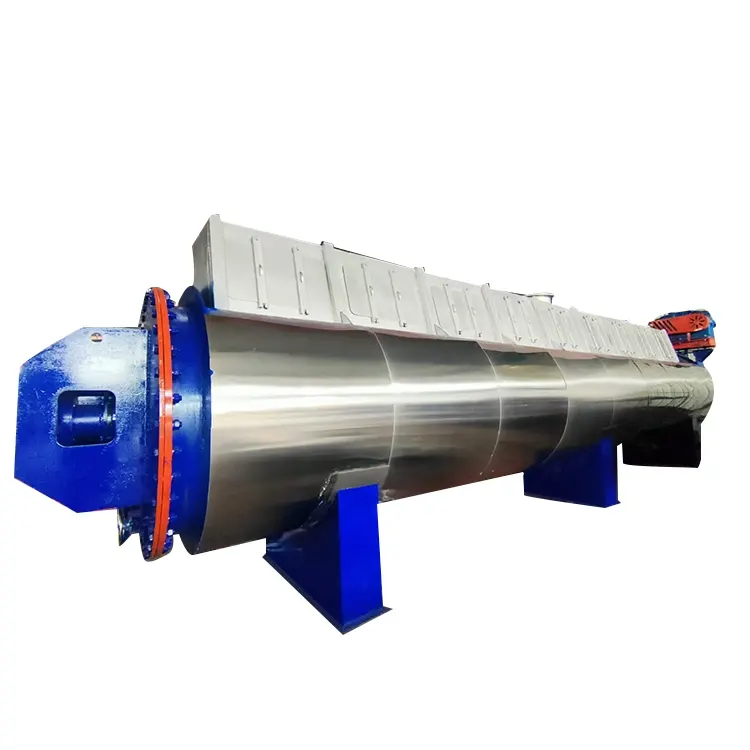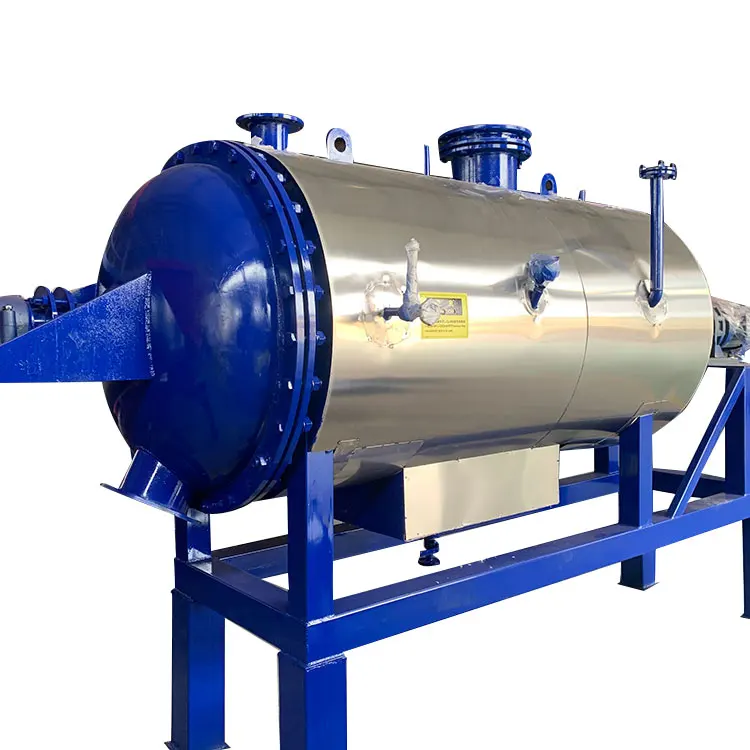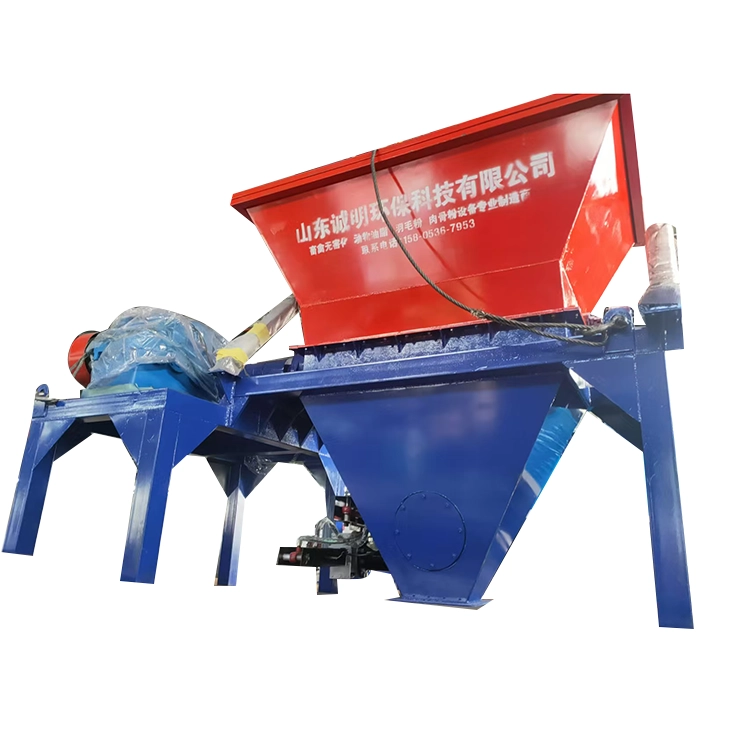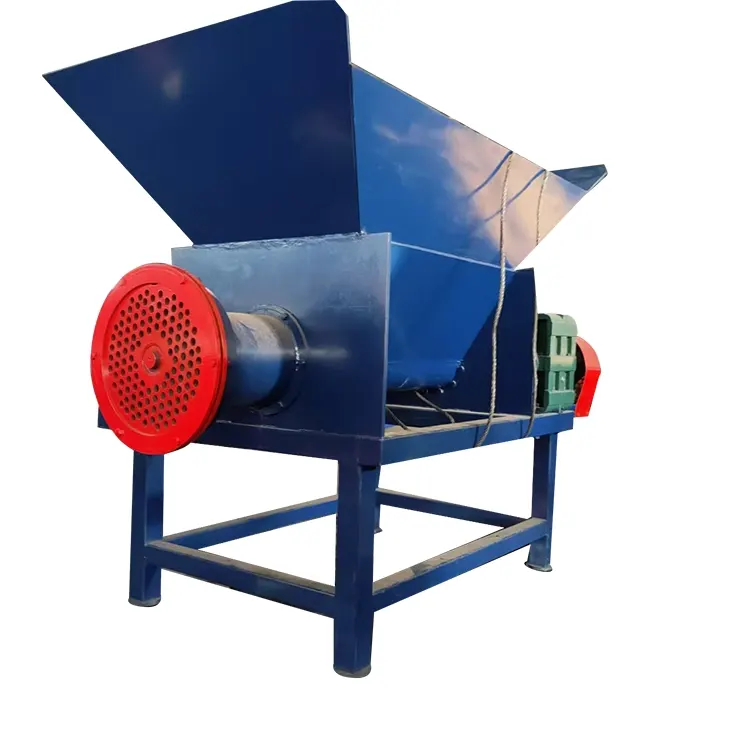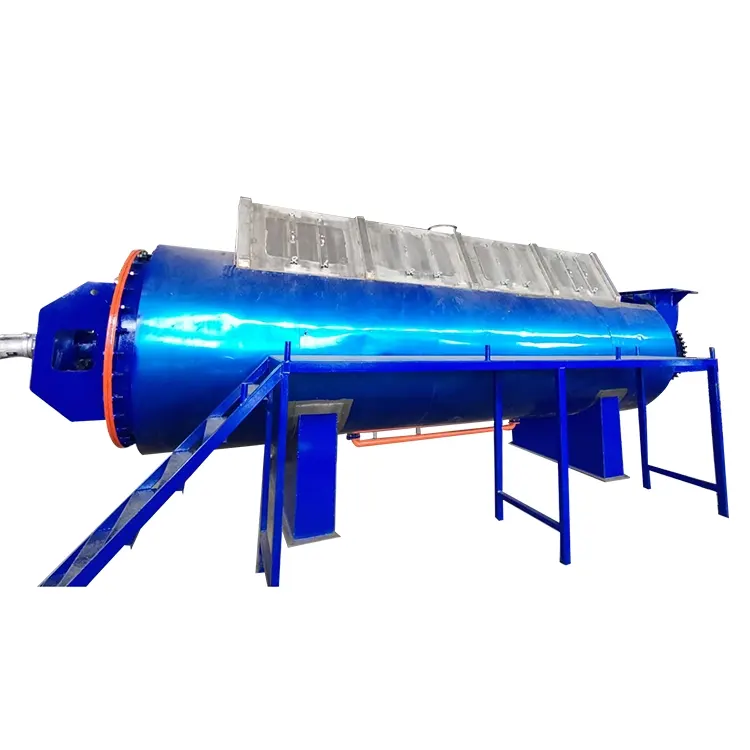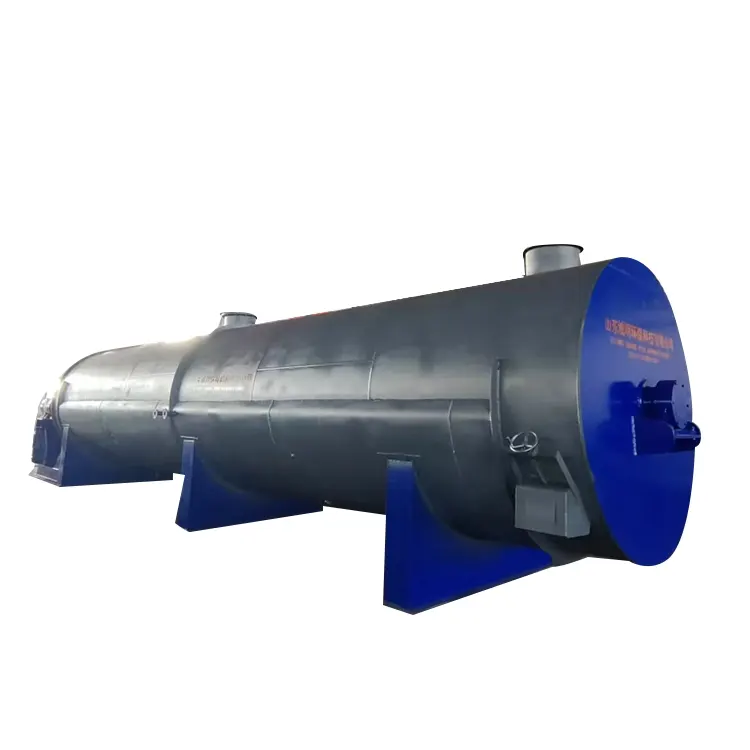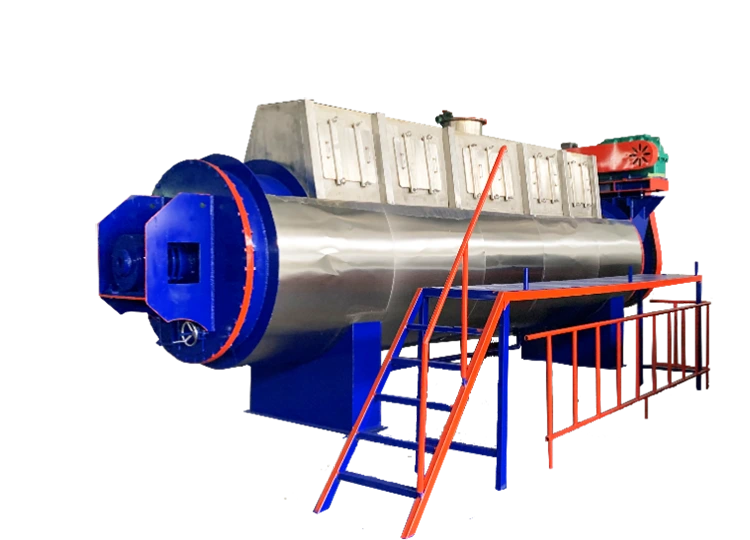

At Shandong Chengming Environmental Protection Technology Co., Ltd., we understand that maximizing the efficiency and longevity of Animal Carcass Crushers is essential for sustainable operations. In this article, we share in-depth knowledge and practical maintenance practices that ensure long-term performance, backed by detailed product specifications and real-world applications from our factory.
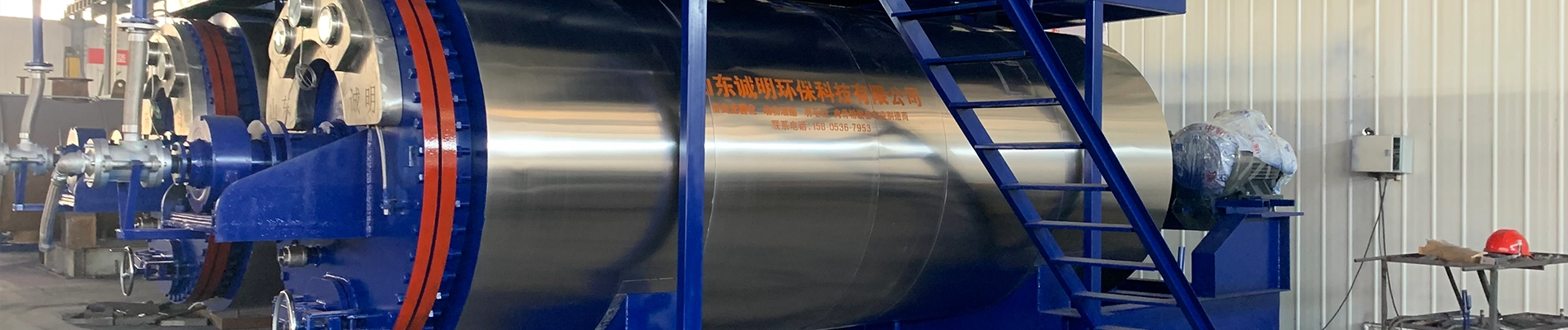
Maintaining the cleanliness of Animal Carcass Crushers is one of the most fundamental practices to ensure their long-term performance. At Shandong Chengming Environmental Protection Technology Co., Ltd., our factory emphasizes that a disciplined cleaning routine not only preserves the mechanical integrity of the crusher but also enhances operational safety and hygiene. Animal Carcass Crushers are designed to efficiently process a variety of animal waste materials, including poultry, livestock, and other organic residues. These machines are commonly used in rendering plants, meat processing facilities, and large-scale farms, where operational efficiency and hygiene compliance are critical. Our Animal Carcass Crushers are constructed with high-grade stainless steel, ensuring resistance to corrosion and ease of cleaning, but even the best materials require consistent maintenance to prevent wear and contamination.
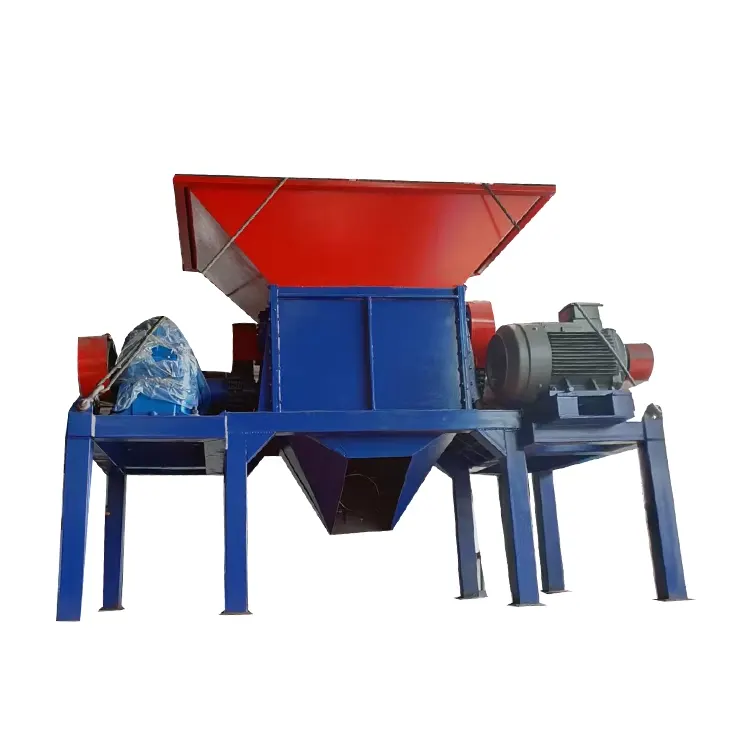
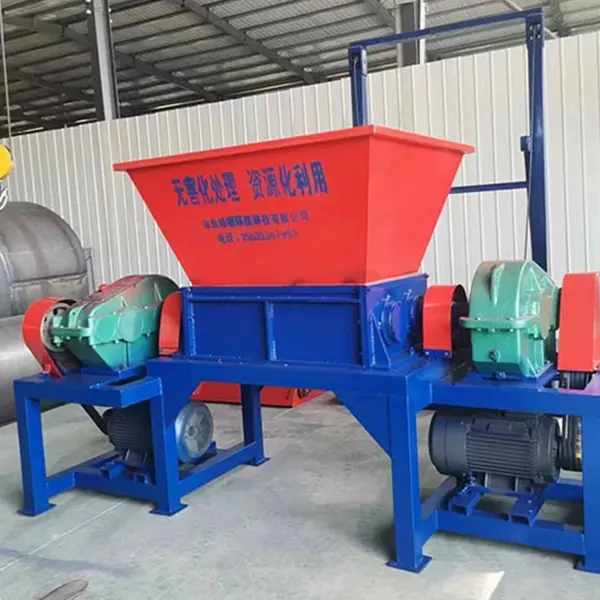
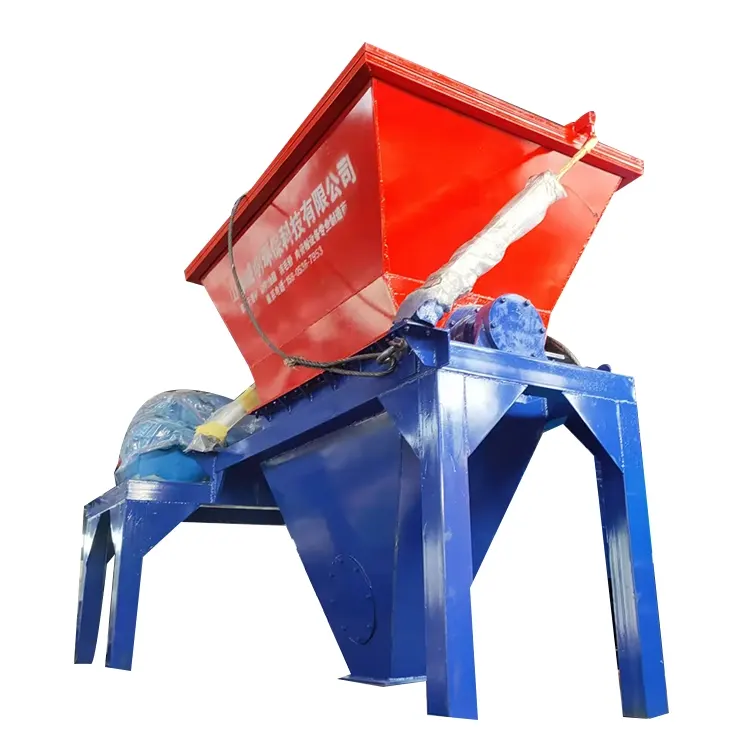
Our Animal Carcass Crushers feature robust cutting blades, reinforced gear systems, and a high-torque motor, all designed for heavy-duty processing. The design includes a wide feed hopper to accommodate large volumes of material, a precision-engineered crushing chamber for uniform particle size, and a discharge system optimized to prevent blockages. Each component is strategically placed to facilitate cleaning while maintaining structural integrity. Our factory prioritizes manufacturing crushers that are user-friendly in terms of maintenance, ensuring that daily cleaning tasks can be performed efficiently without requiring extensive disassembly.
Additionally, our Animal Carcass Crushers are designed with removable panels and modular components, which significantly reduce the time required for deep cleaning. The crushing chamber can be accessed easily, allowing staff to perform thorough maintenance without dismantling the entire machine. This design philosophy reflects our commitment to providing reliable, durable equipment that supports operational efficiency while minimizing downtime.
| Component | Recommended Cleaning Frequency | Special Notes |
| Blades | Daily | Inspect for sharpness and replace if worn |
| Gears | Weekly | Remove grease and embedded debris |
| Feed Hopper | Daily | Ensure no residual material remains |
| Discharge Area | Daily | Check for blockages or buildup |
| Crushing Chamber | Weekly | Inspect walls and seals for wear or corrosion |
Our factory has developed these recommended cleaning routines based on years of operational data and feedback from clients worldwide. Implementing these routines extends the service life of the Animal Carcass Crusher significantly, maintaining consistent performance while reducing operational costs over time. Furthermore, maintaining cleanliness contributes to workplace safety by preventing slip hazards, reducing odors, and minimizing the risk of bacterial contamination.
In conclusion, regular cleaning of Animal Carcass Crushers is not simply a routine task; it is a strategic maintenance practice that ensures the longevity, efficiency, and safety of the equipment. At Shandong Chengming Environmental Protection Technology Co., Ltd., our approach combines well-engineered machine design, practical cleaning guidance, and high-quality stainless steel construction to deliver reliable solutions for industrial animal waste processing. By adhering to these cleaning practices, our customers can maximize operational uptime, protect the integrity of their equipment, and maintain compliance with hygiene and safety standards in their facilities.
Proper lubrication is a cornerstone of extending the service life and maintaining the efficiency of Animal Carcass Crushers. At Shandong Chengming Environmental Protection Technology Co., Ltd., our factory emphasizes the importance of systematic lubrication to prevent friction, reduce wear, and ensure consistent operational performance. Our Animal Carcass Crushers are engineered with high-precision gears, durable blade assemblies, and powerful motors, all of which rely on adequate lubrication to function optimally under continuous heavy-duty use.
Our crushers are equipped with high-torque motors, reinforced blade shafts, and gear systems designed to handle large volumes of animal carcass material efficiently. The gearbox and bearings are constructed from high-strength alloy steel with anti-corrosion treatment, while the blades are made of hardened stainless steel. Despite this robust design, friction and heat generated during operation can gradually degrade components if lubrication is neglected. Our factory provides detailed guidance on lubrication schedules, types of lubricants, and application methods to ensure that each component achieves maximum durability and reliability.
| Component | Recommended Lubricant | Application Frequency | Special Notes |
| Gearbox | Industrial Gear Oil | Daily check, monthly replacement | Monitor for contamination or color change |
| Blade Bearings | High-Temperature Bearing Grease | Weekly | Ensure full coverage, avoid excess grease |
| Motor Shaft Bearings | Electric Motor Compatible Grease | Weekly | Do not over-lubricate to prevent debris accumulation |
| Hydraulic Couplings | Light Machinery Oil | Weekly | Check for leaks or seepage |
Implementing a structured lubrication program as outlined above ensures that our Animal Carcass Crushers operate with minimal friction, optimal cutting efficiency, and reduced energy consumption. At Shandong Chengming Environmental Protection Technology Co., Ltd., our factory designs lubrication-friendly components, providing accessible grease points and oil reservoirs that simplify maintenance routines. Consistent lubrication not only extends the service life of critical components but also safeguards overall operational productivity, reducing downtime and maintenance costs.
In conclusion, proper lubrication is indispensable for maintaining the performance and longevity of Animal Carcass Crushers. By following our factory’s recommendations, including appropriate lubricant selection, application techniques, and monitoring schedules, our clients can maximize equipment reliability, improve crushing efficiency, and achieve a lower total cost of ownership over the lifecycle of the machine.
Regular inspections are crucial to maintaining the long-term performance and reliability of Animal Carcass Crushers. At Shandong Chengming Environmental Protection Technology Co., Ltd., our factory has developed a comprehensive inspection protocol that ensures every component operates optimally. Our Animal Carcass Crushers are designed with durable stainless steel frames, high-torque motors, reinforced cutting blades, and precision gear systems. Despite their robust construction, routine inspections allow early detection of potential issues that could escalate into costly repairs or downtime if left unaddressed.
Inspection checks focus on several key areas of the crusher, including mechanical, electrical, and structural components. Our factory recommends following a structured schedule that includes daily, weekly, and monthly checks, allowing operators to identify wear, misalignment, or other operational anomalies before they impact performance.
| Inspection Area | Recommended Frequency | What to Check |
| Blades | Weekly | Sharpness, alignment, cracks, wear thickness |
| Bolts & Fasteners | Daily | Torque, tightness, vibration loosening |
| Gearbox | Weekly | Oil level, oil color, abnormal noise, heat |
| Bearings | Weekly | Grease leakage, wear, rotational smoothness |
| Electrical Components | Monthly | Wiring integrity, insulation, fuses, motor operation |
| Hydraulic/Pneumatic Systems | Weekly/Monthly | Hoses, valves, pressure levels, leaks |
| Frame and Chassis | Weekly | Corrosion, cracks, structural fatigue |
Implementing these inspection checks ensures that our Animal Carcass Crushers operate efficiently and safely. At Shandong Chengming Environmental Protection Technology Co., Ltd., our factory provides detailed manuals and maintenance logs that help operators systematically record observations, track part replacements, and schedule preventative maintenance. This proactive approach reduces downtime, maintains consistent crushing output, and extends the overall service life of the machine.
Furthermore, our factory emphasizes training for maintenance personnel, ensuring they understand both the mechanical and operational nuances of the crusher. By combining regular inspections with proper training, lubrication, and cleaning practices, our clients achieve maximum performance and durability from their Animal Carcass Crushers. Inspection is not merely a routine task; it is a critical component of a comprehensive maintenance strategy that safeguards investment and operational efficiency.
In conclusion, systematic inspection checks, focusing on blades, fasteners, gearboxes, bearings, electrical systems, hydraulic components, and structural integrity, are essential for prolonging the life of Animal Carcass Crushers. Our factory-designed procedures, combined with user diligence, ensure that each unit operates safely, efficiently, and reliably over its operational lifespan.
Timely replacement of critical components is one of the most effective strategies to extend the service life of Animal Carcass Crushers. At Shandong Chengming Environmental Protection Technology Co., Ltd., our factory emphasizes that even the most durable stainless steel components have finite operational lifespans. Our Animal Carcass Crushers are designed for heavy-duty use in rendering plants, slaughterhouses, and large-scale farms, where consistent performance is essential. Replacing worn or damaged parts before they fail prevents unexpected downtime, maintains crushing efficiency, and safeguards other components from cascading damage.
Our Animal Carcass Crushers feature several key components that require scheduled inspection and replacement. These include blades, bearings, seals, gear systems, electrical components, and hydraulic parts. Each component is engineered with high-strength stainless steel or industrial-grade alloys, offering long-term durability. However, continuous exposure to high loads, friction, and moisture necessitates proactive replacement to maintain optimal performance.
| Component | Recommended Replacement Interval | Notes |
| Blades | Every 6-12 months or as needed | Monitor thickness and cracks |
| Bearings | 6-12 months | Replace if abnormal noise or heat is observed |
| Seals | 6-12 months | Ensure no leakage; replace earlier if damaged |
| Gears | Every 12 months or as needed | Check for chipping or wear patterns |
| Electrical Components | As needed | Use original parts for compatibility and safety |
| Hydraulic/Pneumatic Parts | 12 months | Inspect for leaks or pressure fluctuations |
In conclusion, proactive parts replacement is essential for preventing downtime and maintaining the efficiency of Animal Carcass Crushers. By following the replacement schedules and guidelines provided by our factory, operators can ensure that each machine functions reliably, maintains peak performance, and experiences minimal operational interruptions. At Shandong Chengming Environmental Protection Technology Co., Ltd., our focus on high-quality materials, precise engineering, and structured maintenance protocols ensures that our Animal Carcass Crushers remain a dependable solution for industrial waste processing. Timely replacement, combined with cleaning, lubrication, and inspection, forms a comprehensive maintenance strategy that maximizes longevity and reduces overall operational costs.
Environmental conditions play a critical role in the performance and longevity of Animal Carcass Crushers. At Shandong Chengming Environmental Protection Technology Co., Ltd., our factory emphasizes that even high-quality stainless steel construction and reinforced mechanical components are affected by the surrounding environment. Our Animal Carcass Crushers are designed to process large volumes of animal waste efficiently, but factors such as temperature, humidity, dust, and chemical exposure can significantly impact their service life and operational reliability.
Our crushers are constructed with high-grade stainless steel, corrosion-resistant alloys, and heavy-duty motors capable of withstanding continuous operation. Despite these robust materials, environmental influences can accelerate wear or cause unexpected failures if not properly managed. Implementing measures to control environmental conditions is therefore essential for maintaining optimal performance and preventing costly downtime.
| Environmental Factor | Recommended Control Measures | Impact on Crusher Performance |
| Temperature | Maintain below 30°C, use ventilation or cooling | Prevents motor overheating and lubrication degradation |
| Humidity | Keep below 60%, ensure airflow, use dehumidifiers | Reduces corrosion and maintains mechanical integrity |
| Dust and Debris | Use protective covers, filtration, and regular cleaning | Minimizes wear on gears, bearings, and blades |
| Chemicals | Use compatible cleaning agents, rinse thoroughly | Prevents material degradation and corrosion |
| Vibration | Install on stable surface, use vibration-resistant mounts | Prevents structural fatigue and component misalignment |
| Storage | Dry, ventilated area, elevated from floor | Maintains overall machine integrity when idle |
In conclusion, environmental conditions significantly affect the service life and performance of Animal Carcass Crushers. By controlling temperature, humidity, dust, chemical exposure, vibration, and storage conditions, operators can ensure that our machines operate efficiently and reliably. At Shandong Chengming Environmental Protection Technology Co., Ltd., our factory integrates environmental resilience into the design of each Animal Carcass Crusher, providing durable, high-performance equipment that withstands the challenges of industrial processing environments. Proactive environmental management, combined with cleaning, lubrication, inspection, and parts replacement, forms a comprehensive maintenance strategy that maximizes operational efficiency and extends the service life of the crusher.
Maintaining Animal Carcass Crushers with disciplined cleaning, proper lubrication, regular inspections, timely parts replacement, and controlled environmental conditions ensures that our machines operate efficiently and have an extended service life. At Shandong Chengming Environmental Protection Technology Co., Ltd., our commitment to quality and durability allows our customers to achieve long-term operational success. Implementing these practices not only reduces downtime but also enhances overall productivity.
Contact our factory today to learn more about our premium Animal Carcass Crushers and discover customized maintenance plans tailored to your operational needs.
Q1: How often should I clean the Animal Carcass Crusher to maintain optimal performance?
A1: Daily cleaning of the hopper, discharge area, and surfaces is recommended, with a deep weekly cleaning of internal components and blades to prevent buildup and maintain performance.
Q2: What type of lubrication is best for the crusher components?
A2: Industrial-grade lubricants compatible with gears, bearings, and motor parts are recommended. Regular lubrication reduces friction, prevents overheating, and extends service life.
Q3: Which parts require the most frequent inspection?
A3: Blades, bolts, fasteners, electrical wiring, and hydraulic components require frequent checks. Early detection of wear or damage prevents costly downtime.
Q4: How can environmental conditions impact the lifespan of the crusher?
A4: High humidity, extreme temperatures, and airborne debris can accelerate corrosion and mechanical wear. Controlling these factors ensures long-term durability.
Q5: When should parts be replaced to avoid operational failure?
A5: Blades, bearings, seals, and electrical components should be replaced as soon as wear is observed. Following manufacturer-recommended schedules maximizes service life and minimizes downtime.