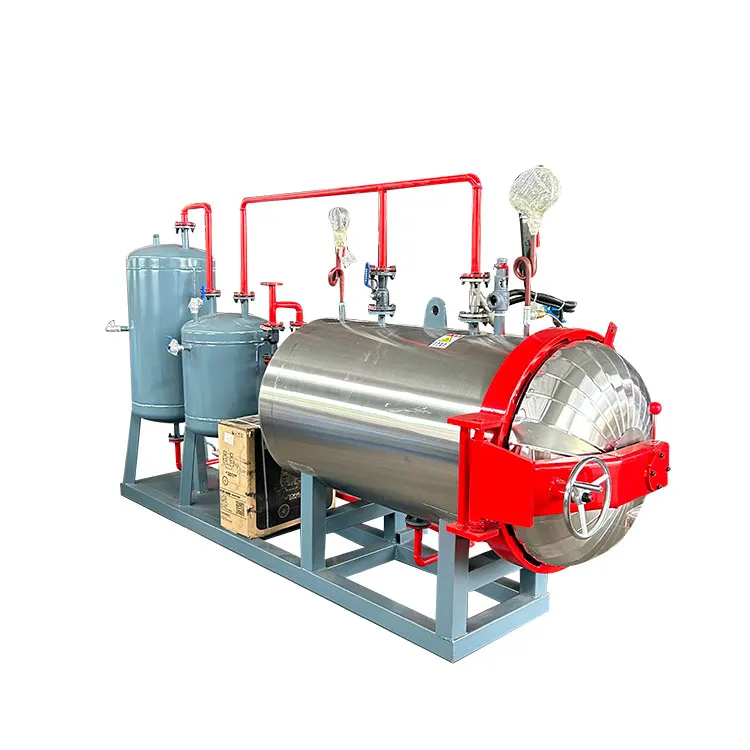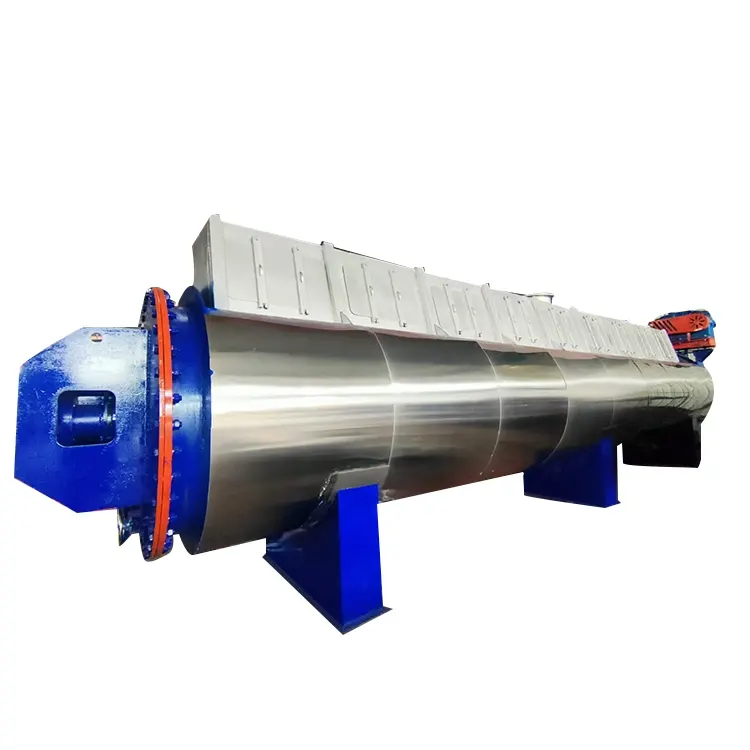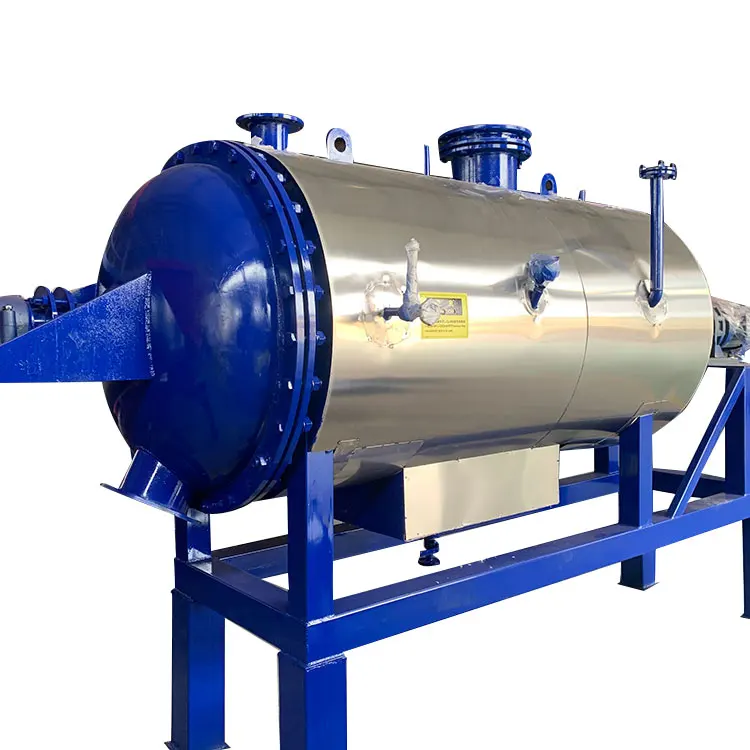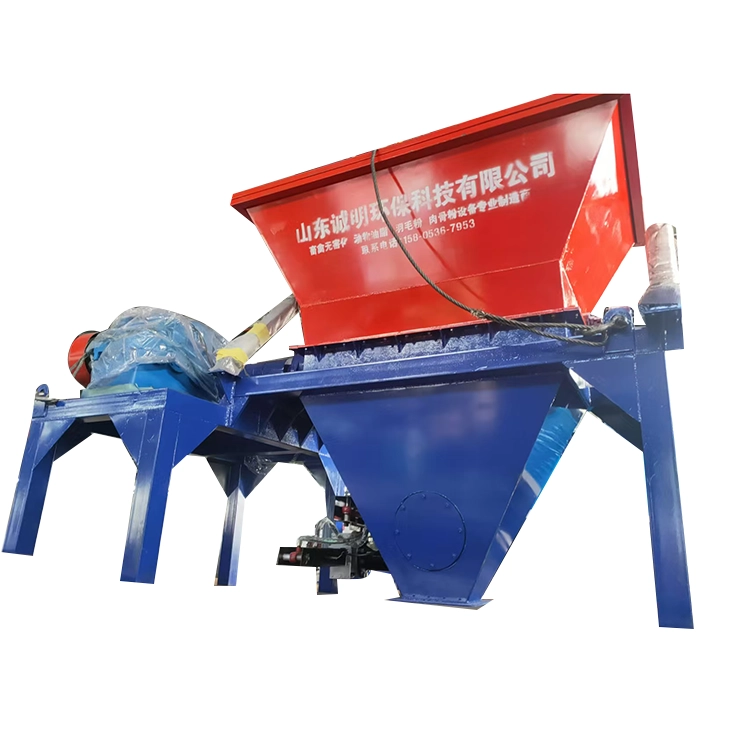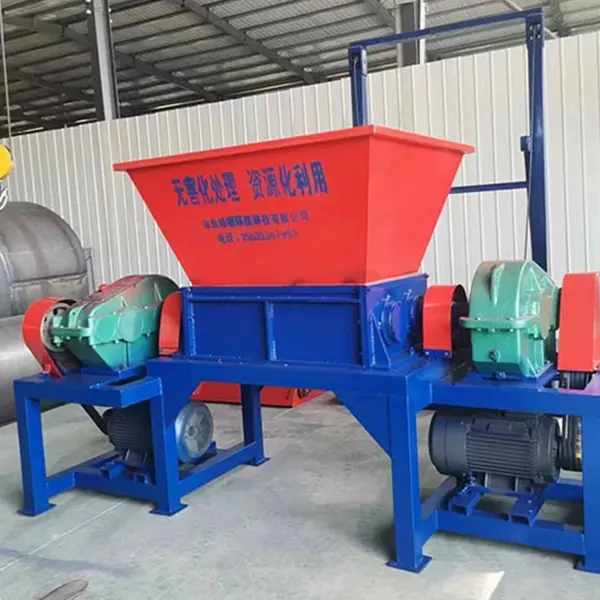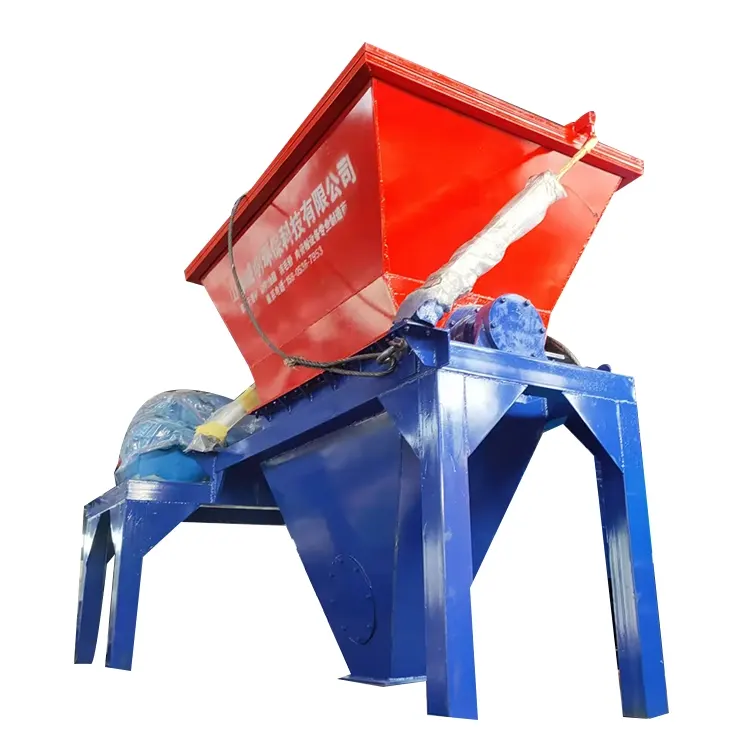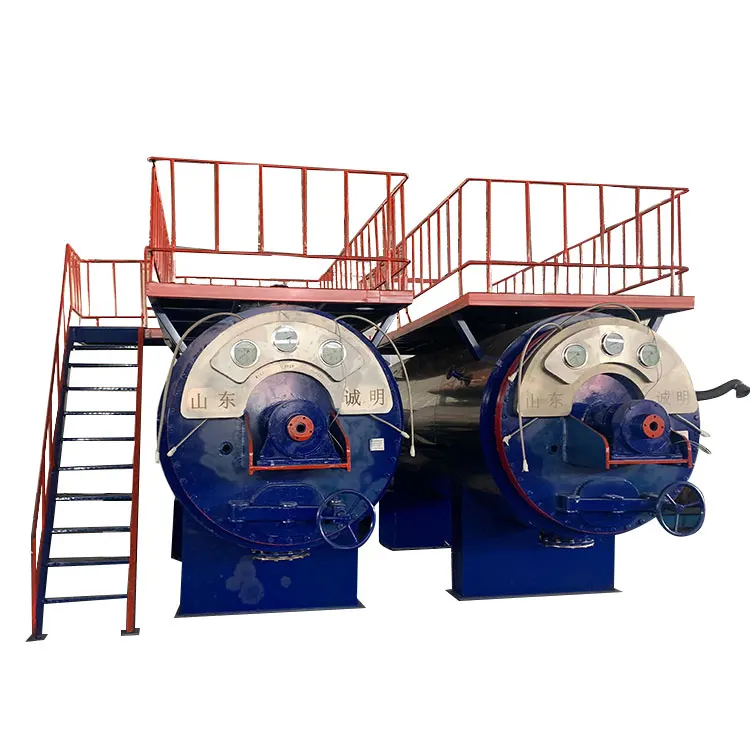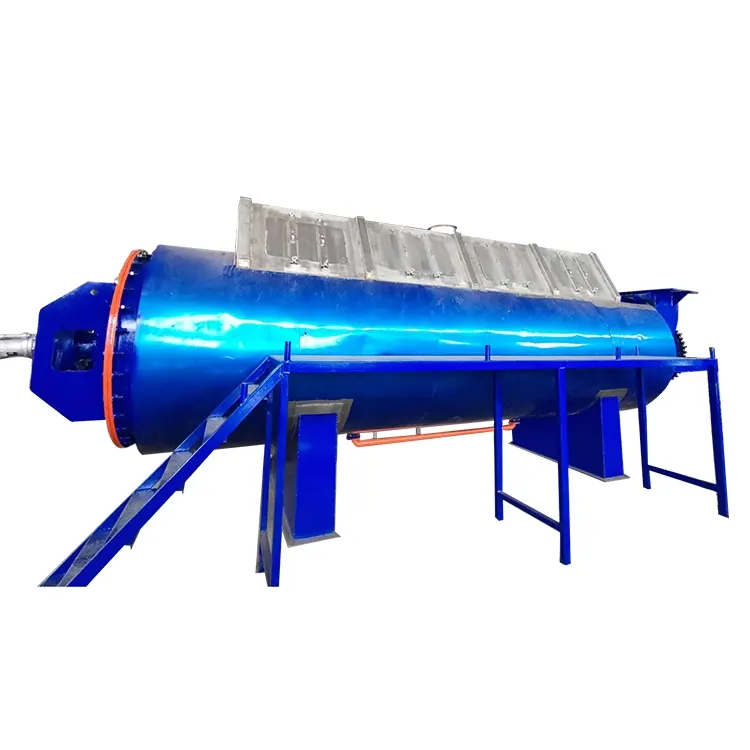

Animal by-product disposal has entered a new phase of modernization in 2025 as global regulations on environmental protection, waste reduction, and biosafety continue to tighten. Across agricultural farms, slaughtering facilities, rendering plants, and rural processing centers, the demand for more reliable, efficient, and compliant systems has notably expanded. This shift has placed the Harmless Treatment Dryer at the center of industry upgrades, particularly for users who need higher processing efficiency, odor control, and stable output quality. As our company Shandong Chengming Environmental Protection Technology Co., Ltd. continues to refine thermal treatment technologies, more facilities are turning to our solutions to ensure regulatory compliance and operational consistency. These dryers are no longer optional equipment but a core part of the waste management chain.
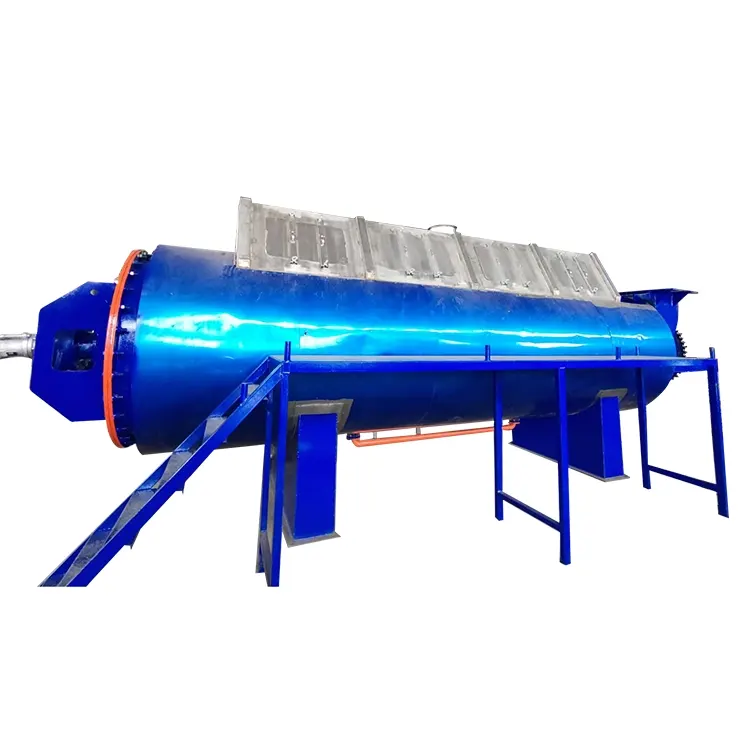
In many countries, regional governments and environmental agencies have implemented stricter rules for handling animal by-products. Operators can no longer rely on traditional drying or fermentation techniques due to the risks of cross-contamination and insufficient sterilization. This transition has encouraged our factory to develop more advanced Harmless Treatment Dryer configurations that improve thermal uniformity and retention time. Facilities now prioritize thermal treatment systems capable of achieving high-temperature pathogen destruction while remaining safe for continuous operation. With Shandong Chengming Environmental Protection Technology Co., Ltd. offering equipment designed specifically for these updated requirements, more operators recognize that integrated drying systems are the only reliable path forward in 2025.
Energy efficiency has become one of the most influential drivers shaping purchasing decisions among rendering facilities and agricultural plants. An increasing number of operations aim to reduce fuel consumption while maintaining high throughput. The Harmless Treatment Dryer plays a central role in meeting these needs, combining optimized airflow channels with an upgraded thermal exchange structure. Our engineering team also focuses on improving automation, allowing operators to reduce labor involvement and achieve consistent output even during long production cycles. As users shift to more sustainable waste-treatment models, Shandong Chengming Environmental Protection Technology Co., Ltd. remains committed to delivering designs that match energy-saving goals without sacrificing processing performance.
In 2025, rendering and by-product facilities face increasing pressure to maintain continuous uptime. Unplanned shutdowns or excessive maintenance cycles lead directly to financial losses. By integrating wear-resistant stainless steel components, redesigned transmission systems, and enhanced sealing structures, the Harmless Treatment Dryer significantly reduces maintenance frequency compared to older models. Our technicians have observed that stable material flow and robust insulation also contribute to fewer mechanical issues. As a result, operators experience greater consistency and predictable long-term performance. The ability to minimize downtime has become a major reason these dryers are now recognized as essential equipment.
Odor emissions remain one of the most critical environmental concerns in animal by-product processing. Modern facilities must adhere to strict emission limits, especially in regions close to residential zones. The Harmless Treatment Dryer incorporates an upgraded exhaust treatment interface, allowing easy integration with odor washing towers and high-temperature condensation systems. Our experience shows that these enhancements help facilities reduce environmental complaints and avoid fines. As governments become increasingly active in enforcing emission standards, users prioritize equipment that delivers measurable environmental performance. This trend continues to strengthen the dryer’s role in compliant waste processing systems.
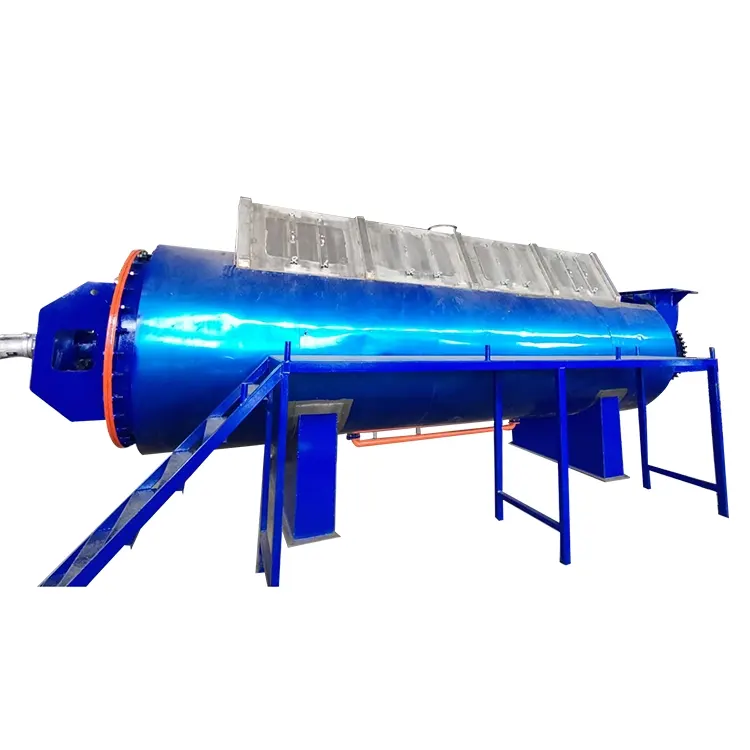
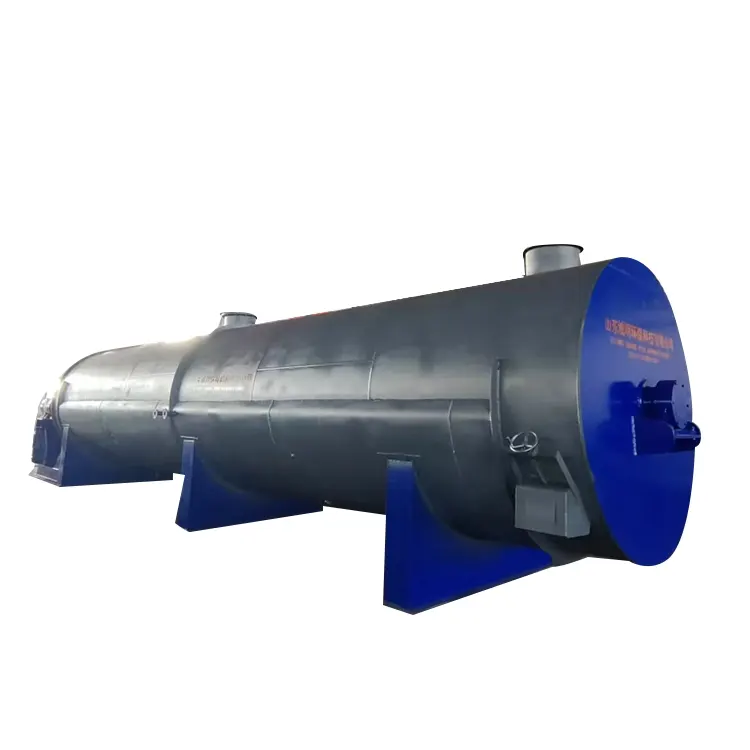
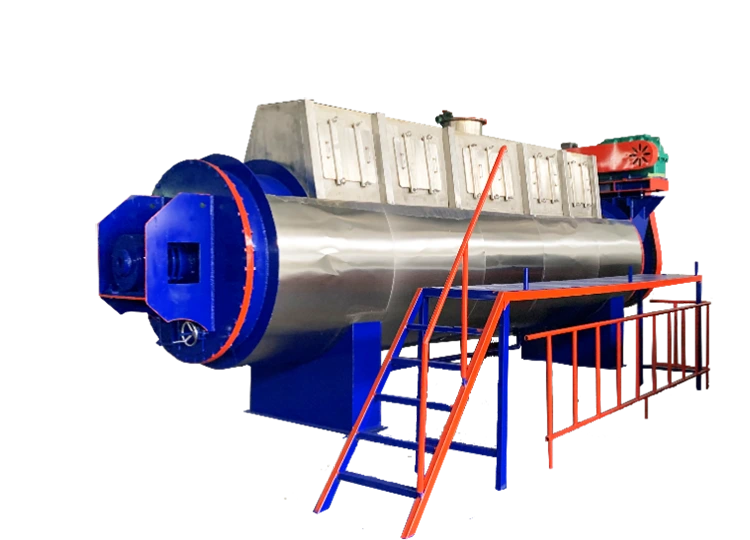
To help users better understand the structural design and functional capabilities of our equipment, the following table summarizes important parameters frequently requested by industrial clients during pre-sales consultation. These parameters reflect our factory’s engineering approach and our commitment to providing durable and dependable systems suitable for diverse processing environments.
| Item | Specification |
| Model Range | 300 kg to 10 tons per batch |
| Main Heating Method | Steam, conduction oil, or natural gas |
| Operating Temperature | 120 to 180 degrees Celsius adjustable |
| Material of Construction | Stainless steel with corrosion-resistant interior |
| Drying Cycle Duration | 2 to 6 hours depending on moisture content |
| Control Interface | PLC automation with real-time monitoring |
| Applicable By-Products | Poultry scraps, livestock waste, viscera, feathers, and mixed trimmings |
In recent years, our technical team has expanded research on heat-transfer efficiency, airflow stabilization, and moisture extraction optimization. These studies allow our factory to modify internal drum structures, improve rotor geometry, and enhance drying uniformity. Customers often choose our equipment because the system promotes faster moisture removal while maintaining material integrity for downstream processing. As more businesses adopt circular economy practices, these dryers help convert animal by-products into reusable materials such as protein powder or organic feedstock. Shandong Chengming Environmental Protection Technology Co., Ltd. continues to strengthen its role in supporting this transition through consistent technical upgrades and manufacturing reliability.
1. Why are Harmless Treatment Dryers considered a key solution for modern animal by-product disposal facilities?
The primary reason is that these systems ensure thorough sterilization at controlled temperatures and deliver stable drying performance across different material types. They eliminate pathogens, reduce moisture, and improve material stability for secondary use. Our design focuses on high-temperature retention and controlled airflow, which are essential in meeting modern biosafety and sanitation standards.
2. How do Harmless Treatment Dryers help operators meet stricter environmental regulations?
They support compliance by integrating reliable heat processing with sealed material handling and controlled exhaust flow. The design minimizes emissions and allows seamless pairing with odor treatment systems. Our engineering approach prioritizes environmentally responsible structures to help users reduce pollution, energy waste, and operational risk.
3. What makes modern Harmless Treatment Dryers more efficient compared to older drying technologies?
New systems feature upgraded insulation, automated controls, and improved thermal exchange designs. These enhancements reduce energy consumption while increasing throughput. Our factory incorporates advanced materials and process controls to ensure long-term stability, reduced maintenance, and better overall efficiency for high-volume operations.
For facilities seeking to modernize their by-product processing lines, improve compliance, and enhance operational efficiency, our team is ready to assist with tailored design and technical support. Reach out today to learn how we can help streamline your processing workflow and provide a reliable, long-term solution.