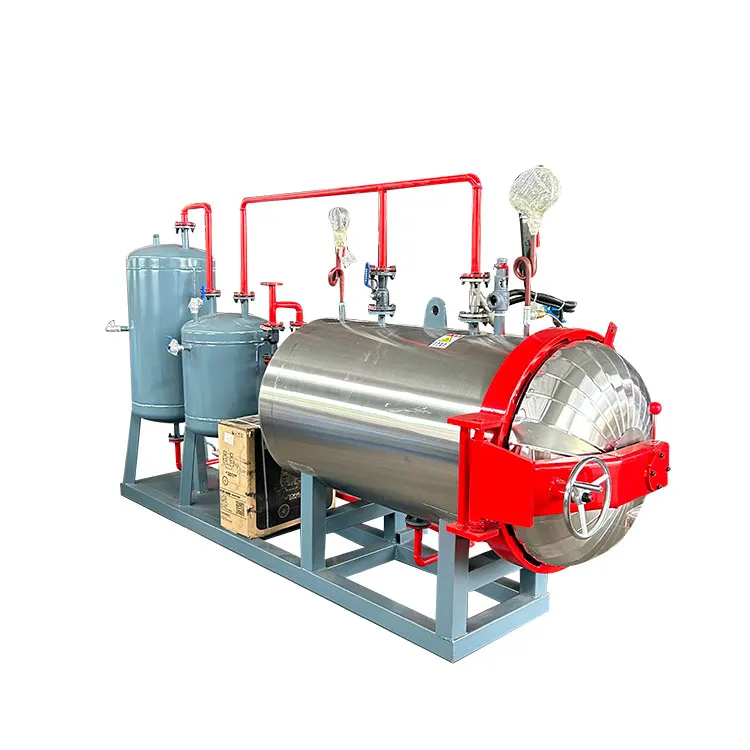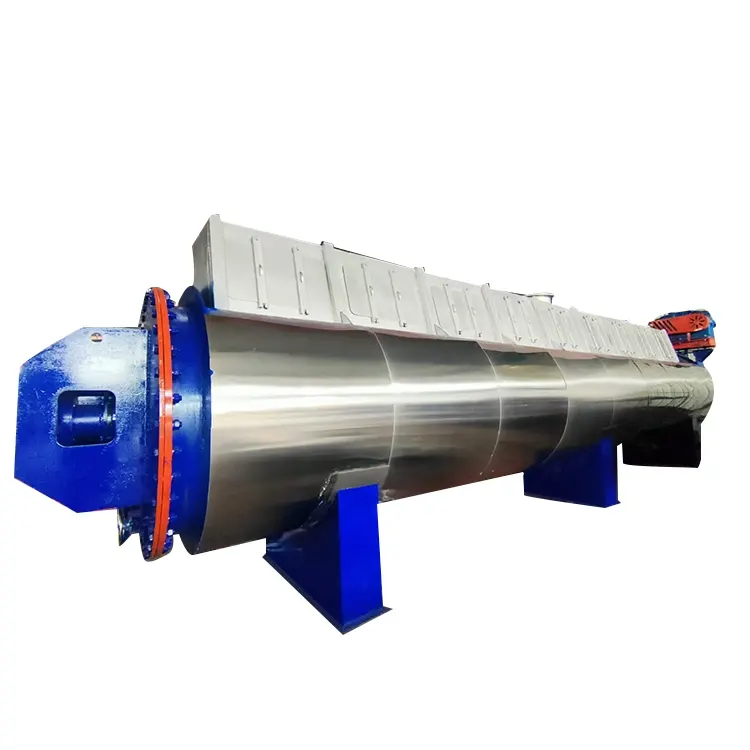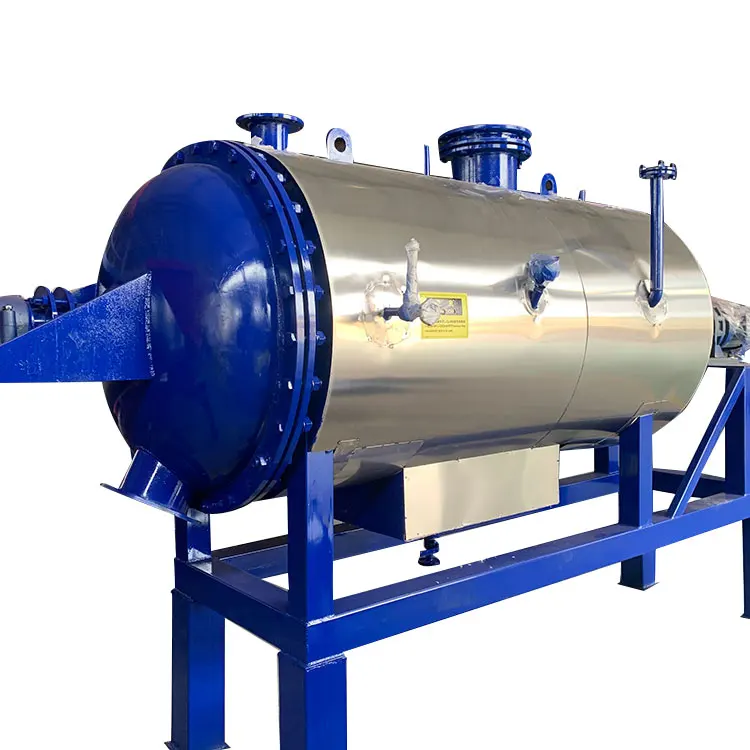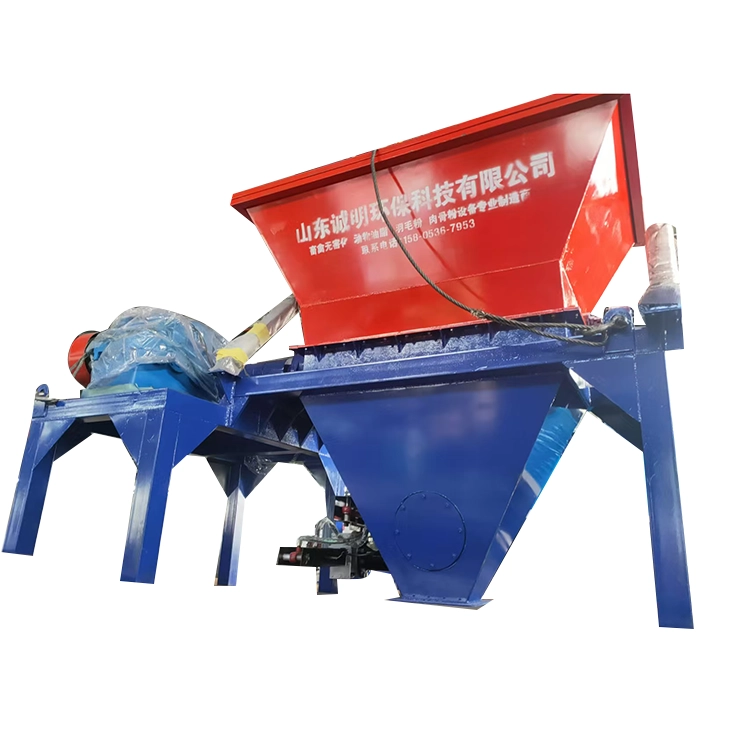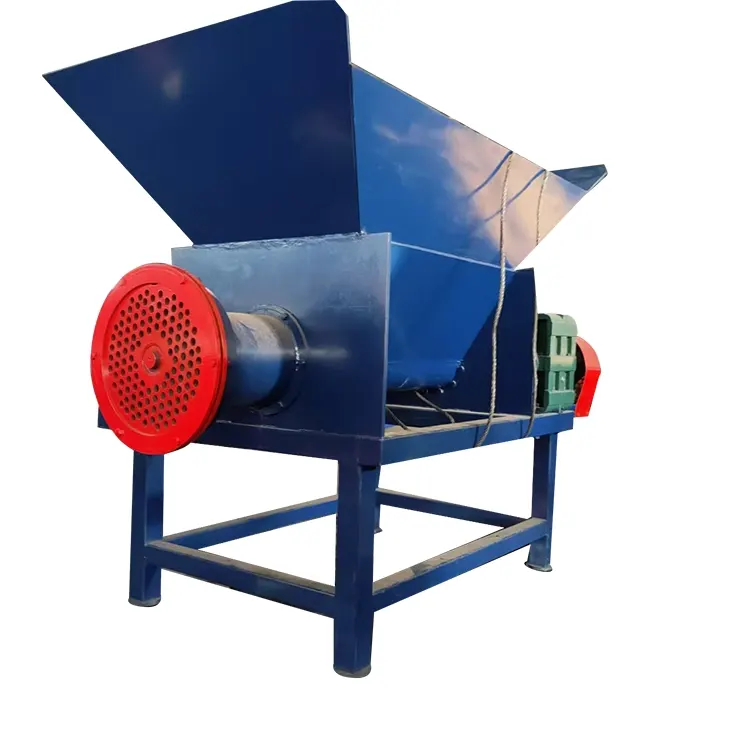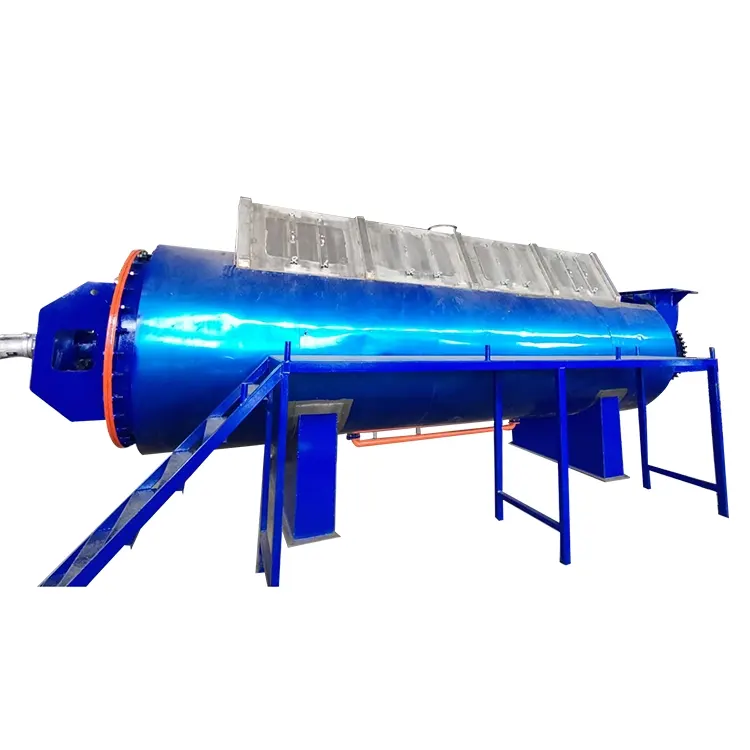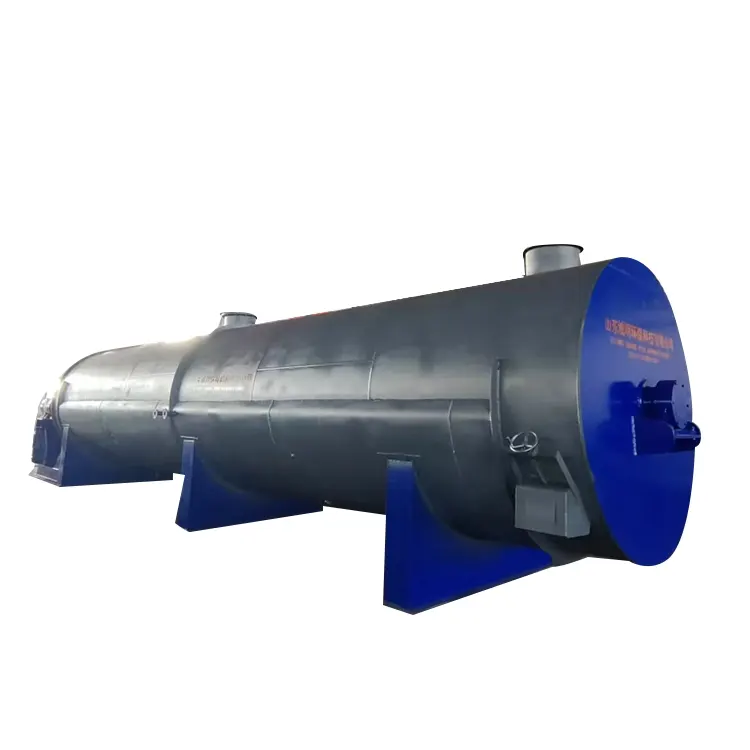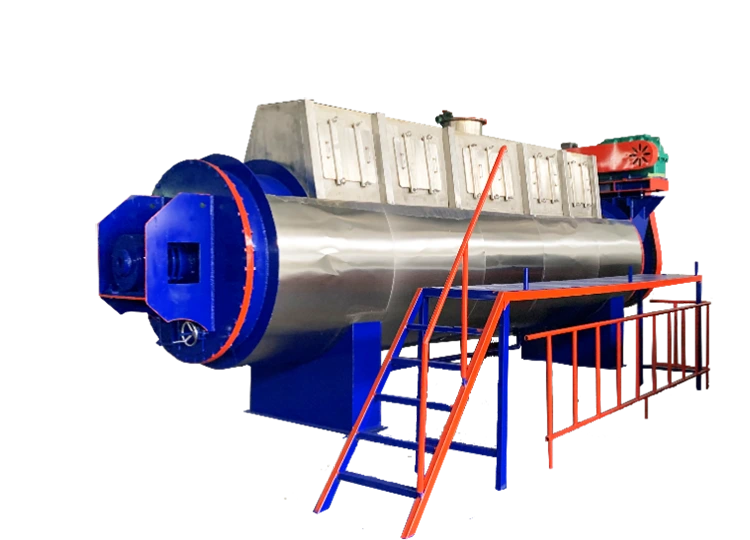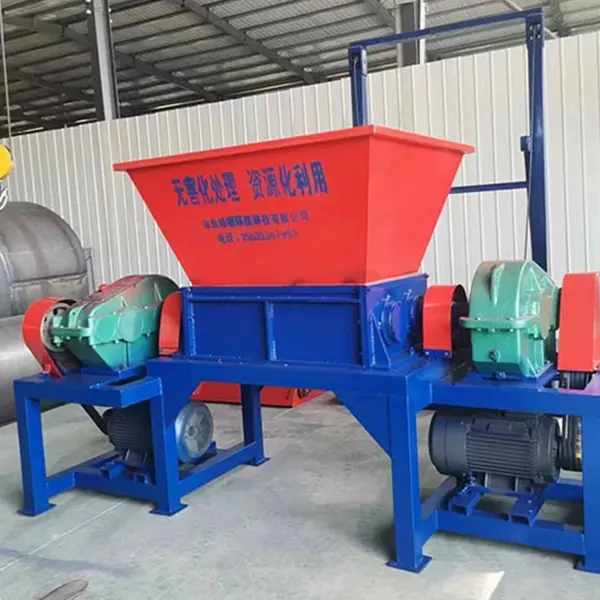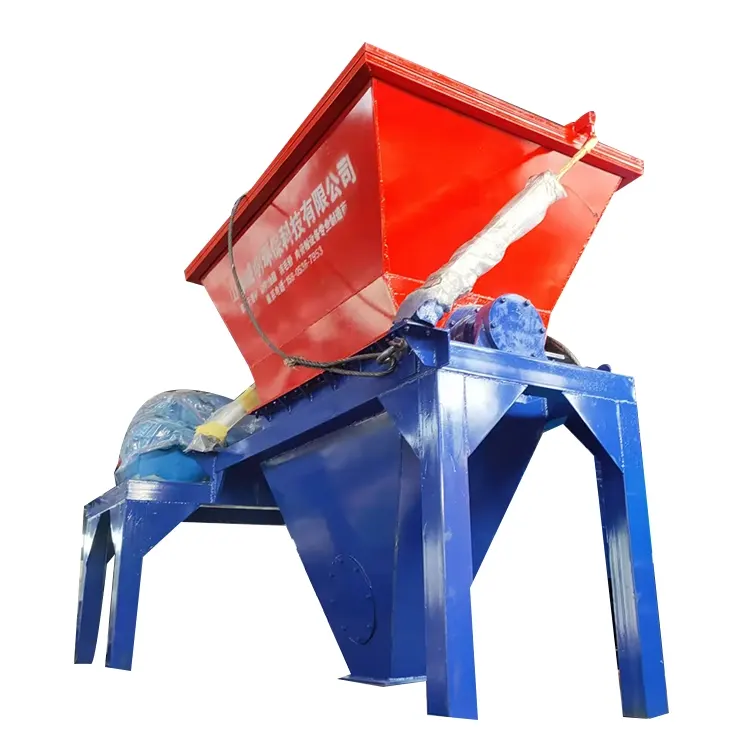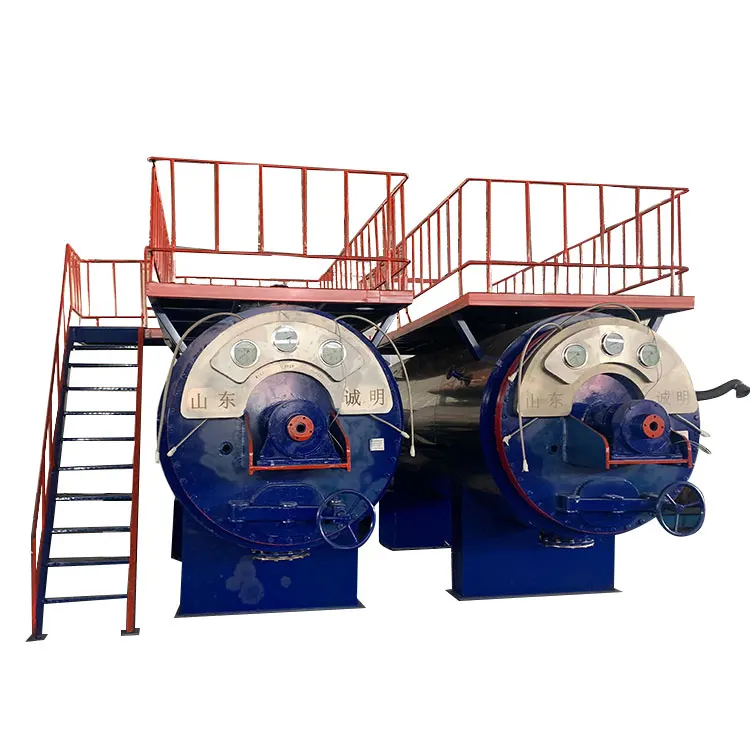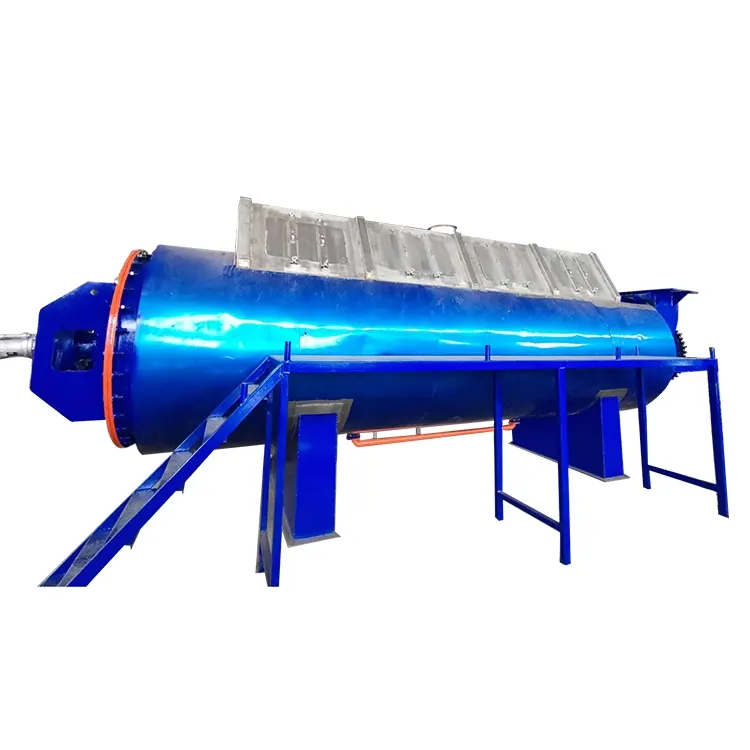

Modern Harmless Treatment Dryers have evolved significantly over the past decade, providing higher efficiency and improved safety for industrial drying operations. In our factory, we focus on optimizing heat distribution, airflow management, and energy consumption. Shandong Chengming Environmental Protection Technology Co., Ltd. has implemented advanced control systems that allow precise temperature and humidity regulation. Our customers frequently report improved drying throughput and reduced operational downtime, demonstrating the practical advantages of upgrading from traditional units. The design improvements also enhance worker safety, as modern dryers reduce emissions and minimize exposure to hazardous gases.
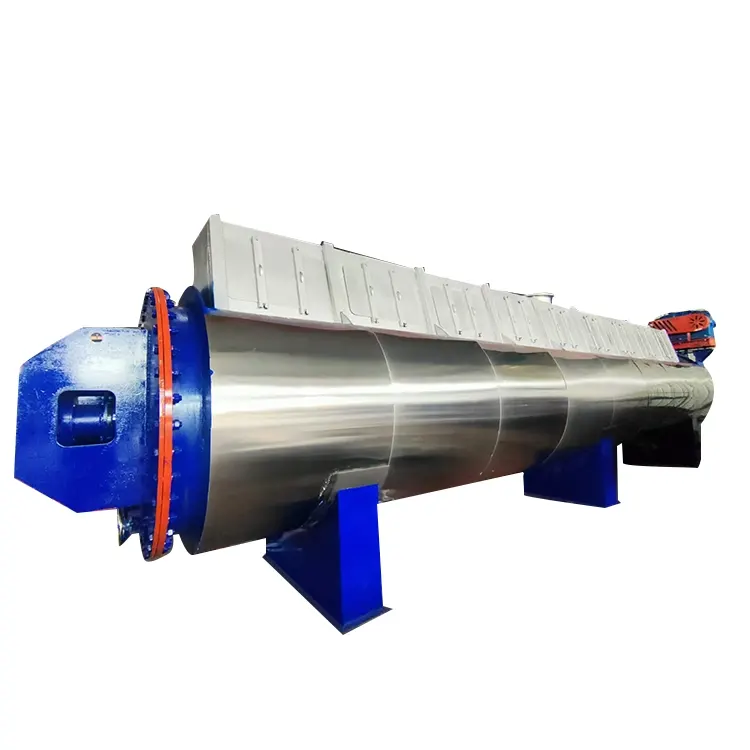
The materials used in modern dryers significantly influence durability and performance. High-grade stainless steel, corrosion-resistant coatings, and reinforced structural elements increase the lifespan of Harmless Treatment Dryer systems. Traditional dryers often rely on basic carbon steel and simple heating elements, which may lead to faster wear and more frequent maintenance. At our factory, we select materials based on operating temperatures, chemical exposure, and the type of substances being processed. By carefully balancing durability with operational efficiency, our team ensures that each system meets long-term production requirements.
The table below illustrates typical material and construction differences between modern and traditional dryers:
| Feature | Modern Harmless Treatment Dryer | Traditional Dryer | Impact |
| Construction Material | High-grade stainless steel with coatings | Carbon steel | Longevity and corrosion resistance improved |
| Heating System | Precision-controlled multi-zone heaters | Single-zone simple heater | Consistent drying, reduced hotspots |
| Insulation | Advanced thermal insulation panels | Basic insulation | Energy efficiency and heat retention enhanced |
| Control System | Automated PLC with real-time monitoring | Manual control with limited monitoring | Operational accuracy and safety enhanced |
Energy efficiency is a critical differentiator. Modern Harmless Treatment Dryers utilize optimized airflow paths, variable speed fans, and improved insulation to reduce energy usage. Our engineers have observed that these systems can achieve up to 25% lower energy consumption compared to traditional designs. At our factory, we run detailed simulations to determine the most efficient configuration for each client’s needs. Lower energy consumption not only reduces operational costs but also supports environmental compliance, a factor increasingly important in industrial operations.
In contrast, traditional dryers often lack efficient heat recycling, leading to uneven drying and higher fuel or electricity use. The reduced energy efficiency also translates into longer drying cycles, which may limit production capacity.
Modern Harmless Treatment Dryers provide greater flexibility and automation. Our systems allow operators to adjust parameters for specific materials, batch sizes, and humidity targets without manual intervention. The integration of sensors for temperature, airflow, and moisture ensures consistent product quality. Shandong Chengming Environmental Protection Technology Co., Ltd. has implemented user-friendly interfaces that streamline operations and allow real-time tracking of system performance.
Traditional dryers rely heavily on manual observation and adjustment. Operators must monitor temperatures and airflow continuously, which increases the risk of human error and inconsistent drying results. Our experience shows that automation reduces maintenance labor and increases system reliability.
Safety is a primary concern in industrial drying processes. Modern Harmless Treatment Dryers are designed to minimize emissions, control heat exposure, and prevent accidental contact with high-temperature surfaces. Our factory implements safety interlocks, emergency shutdown procedures, and real-time alarms. Customers using our systems have reported fewer incidents of overheating and chemical exposure. The improved safety also means reduced downtime due to accidents or regulatory non-compliance.
Traditional dryers often lack these protective features, relying on operator vigilance and basic mechanical safeguards. The risk of accidents is higher, especially when processing volatile or hazardous materials.
Maintenance requirements are substantially reduced in modern systems. Harmless Treatment Dryer designs incorporate easily replaceable components, corrosion-resistant materials, and automated cleaning cycles. At our factory, we document recommended maintenance schedules to extend system life and minimize unexpected downtime. Shandong Chengming Environmental Protection Technology Co., Ltd. emphasizes preventive maintenance, which further ensures consistent operational performance. Traditional dryers require frequent inspections and part replacements due to simpler construction and materials that are less resistant to wear. Maintenance can be labor-intensive, leading to higher total cost of ownership over time.
The following table provides a comparative overview of key operational parameters:
| Parameter | Modern Harmless Treatment Dryer | Traditional Dryer | Benefit |
| Automation Level | High, with PLC monitoring | Low, manual adjustments | Reduces errors and labor costs |
| Energy Use | Optimized airflow and insulation | Basic airflow, limited insulation | Lower operational cost |
| Safety Features | Interlocks, alarms, emergency shutdown | Minimal, operator-dependent | Improved workplace safety |
| Maintenance Frequency | Scheduled, component-specific | High, reactive maintenance | Reduces downtime and cost |
Q1: How do modern dryers improve product quality compared to traditional systems?
Modern dryers use precise temperature control, automated airflow, and moisture sensors to maintain uniform drying conditions. This reduces variability in final product moisture content and improves overall quality.
Q2: Why is energy consumption lower in modern dryers?
Advanced insulation, optimized airflow paths, and variable speed fans allow modern systems to recycle heat efficiently, reducing electricity or fuel use while maintaining consistent drying performance.
Q3: What safety improvements are implemented in modern dryers?
Modern designs include interlocks, emergency shutdowns, alarms, and minimized exposure to high temperatures. These features reduce the risk of accidents and ensure compliance with environmental and workplace safety regulations.
The differences between modern Harmless Treatment Dryers and traditional units extend across efficiency, safety, energy use, and operational reliability. Upgrading to a modern system ensures consistent product quality, lower operating costs, and improved workplace safety. Our engineers at Shandong Chengming Environmental Protection Technology Co., Ltd. are committed to providing tailored solutions that meet demanding industrial requirements. If you are considering a system upgrade or seeking guidance on selecting the most suitable Harmless Treatment Dryer, contact our technical team today for expert consultation.